
Pankisi Gorge
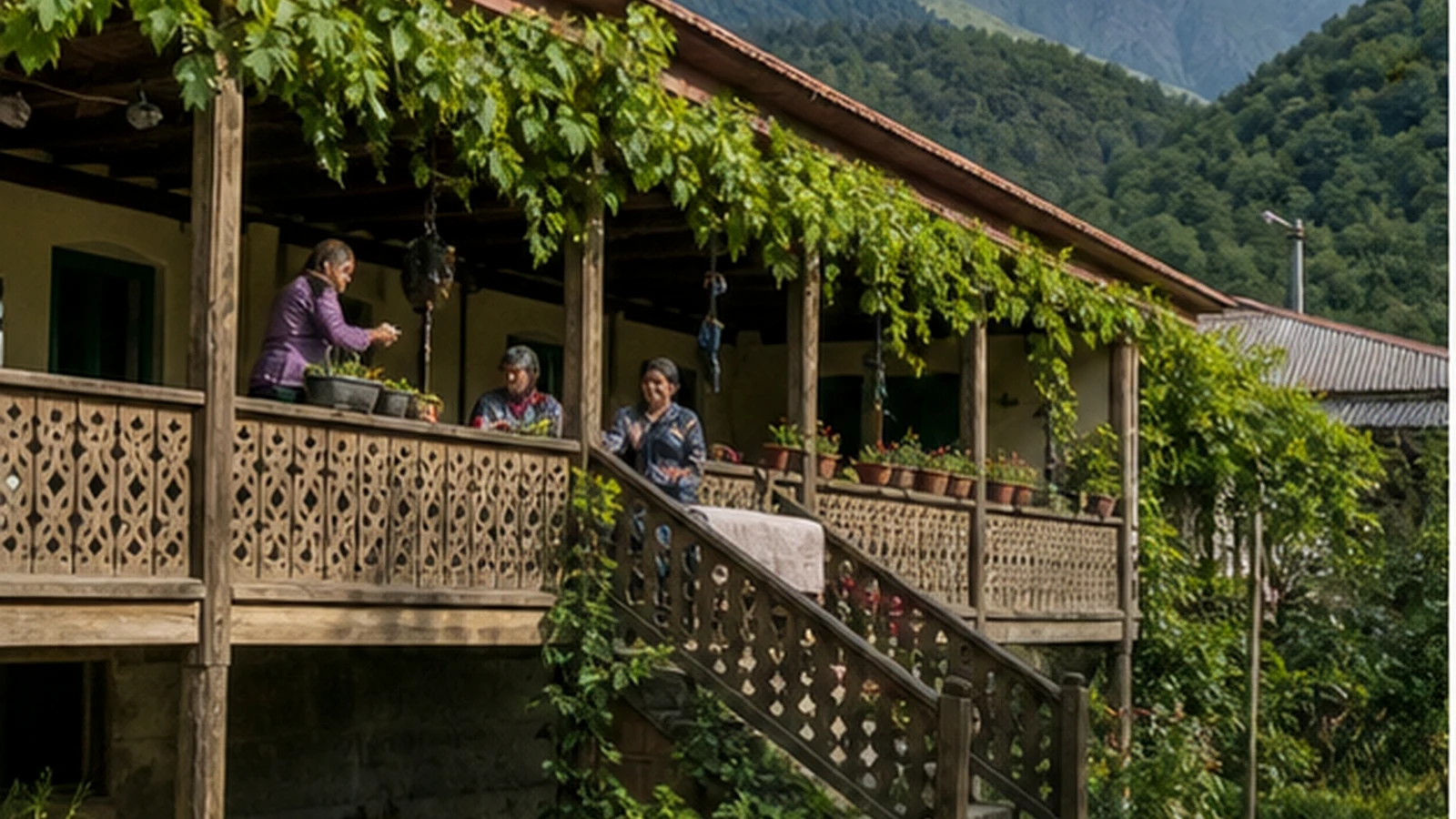
The upper Alazani valley north of Akhmeta, home for nearly two centuries to the Chechen-speaking Kists: brick mosques, wooded slopes, open doors.
- Time needed
- 4 h
- From Tbilisi
- 130 km · 2:30
- Road
- Paved
- Car needed
- Economy class
- Season
- All year
- Entry
- free
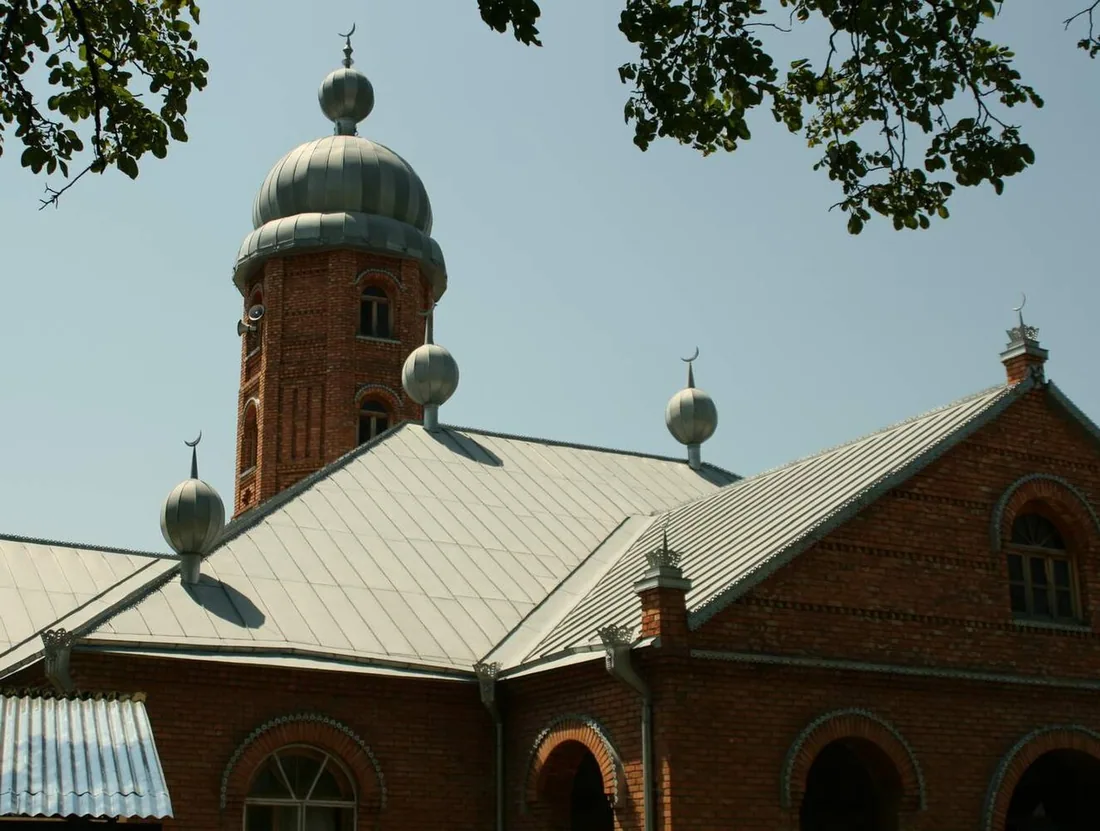
Half an hour north of Akhmeta's vineyards, the call to prayer drifts from a brick minaret: this is Pankisi, the valley of the Kists.
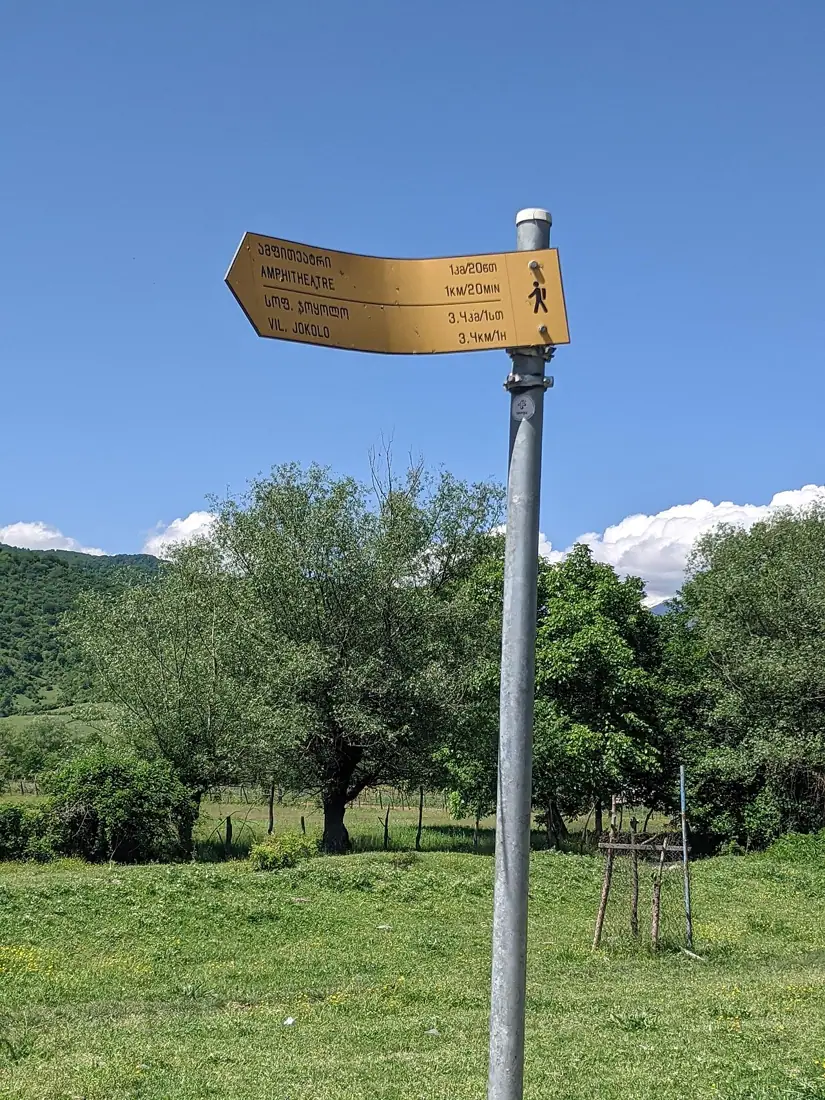
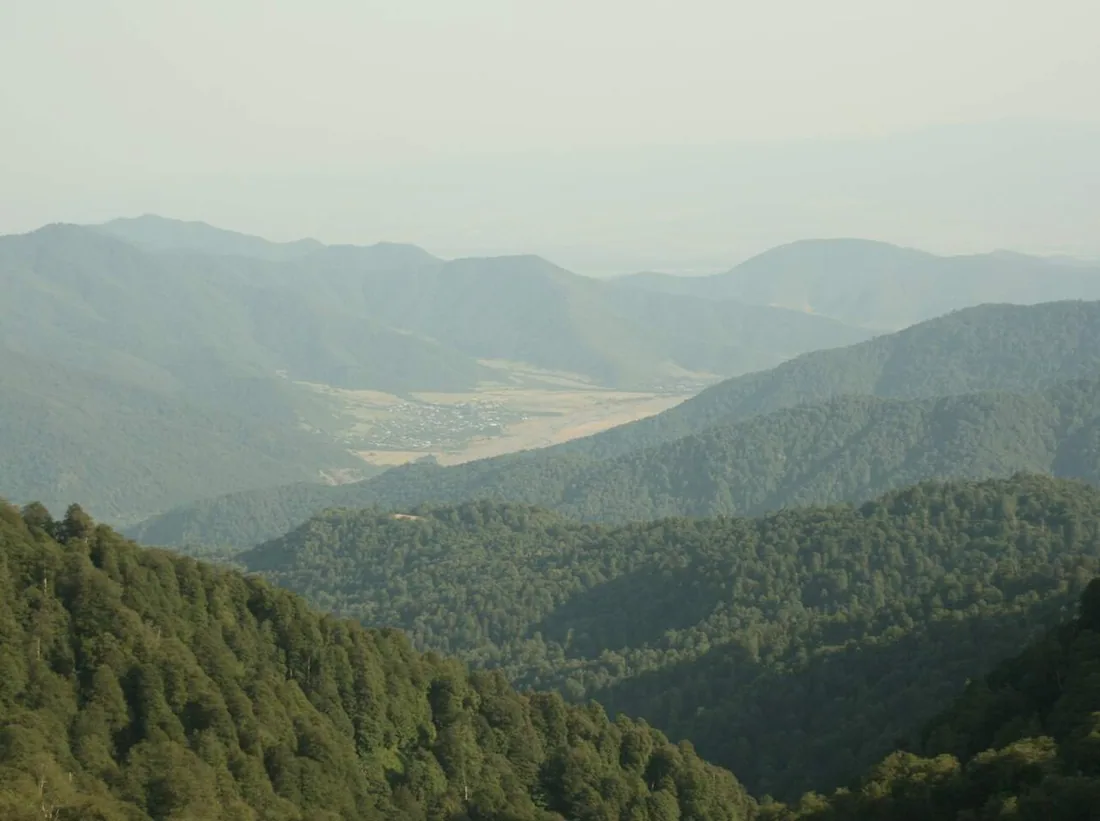
The gorge follows the upper Alazani for about 34 km, from Mount Borbalo to the Alazani plain. Its main villages, Duisi, Jokolo, Omalo and Birkiani, belong to the Kists, the Chechens of Georgia, bilingual in Georgian and their Kist dialect of Chechen. They crossed the mountains in the 19th century, mostly between the 1830s and the 1870s. Tradition says Duisi takes its name from its first settler, Dui, who arrived around 1826; in Chechen it is still Dui-Yurt. Jokolo was founded in 1835 by 54 families from Maista.
The Kist ethnographer Mate Albutashvili traced the name Pankisi to panta, the wild Caucasian pear, and broadleaf forest still cloaks the slopes. Most Kists are Sunni Muslims whose faith keeps older highland customs; Birkiani has a Christian majority whose people still go to the Alaverdoba festival. The women of Pankisi keep alive a Sufi zikr, a circling, chanted prayer.
Nobody here hides the recent past. From 2000 to 2002 the Chechen commander Ruslan Gelayev kept an armed force here, and later Tarkhan Batirashvili, who grew up in the valley, rose to command in the Islamic State before he was killed in Iraq in 2016. The shadow lingered for years; today the valley is quiet and lives on family guesthouses, horses and home cooking.
In Duisi, look for the old brick mosque, built at the turn of the 20th century, closed under Soviet rule and reopened in 1960. The anti-Soviet guerrilla leader Kakutsa Cholokashvili was born nearby, in Matani.
Pankisi has no single monument to tick off. What it offers is harder to photograph: a table, a language, and hosts who will ask you to stay another night.
Gallery
Practical advice
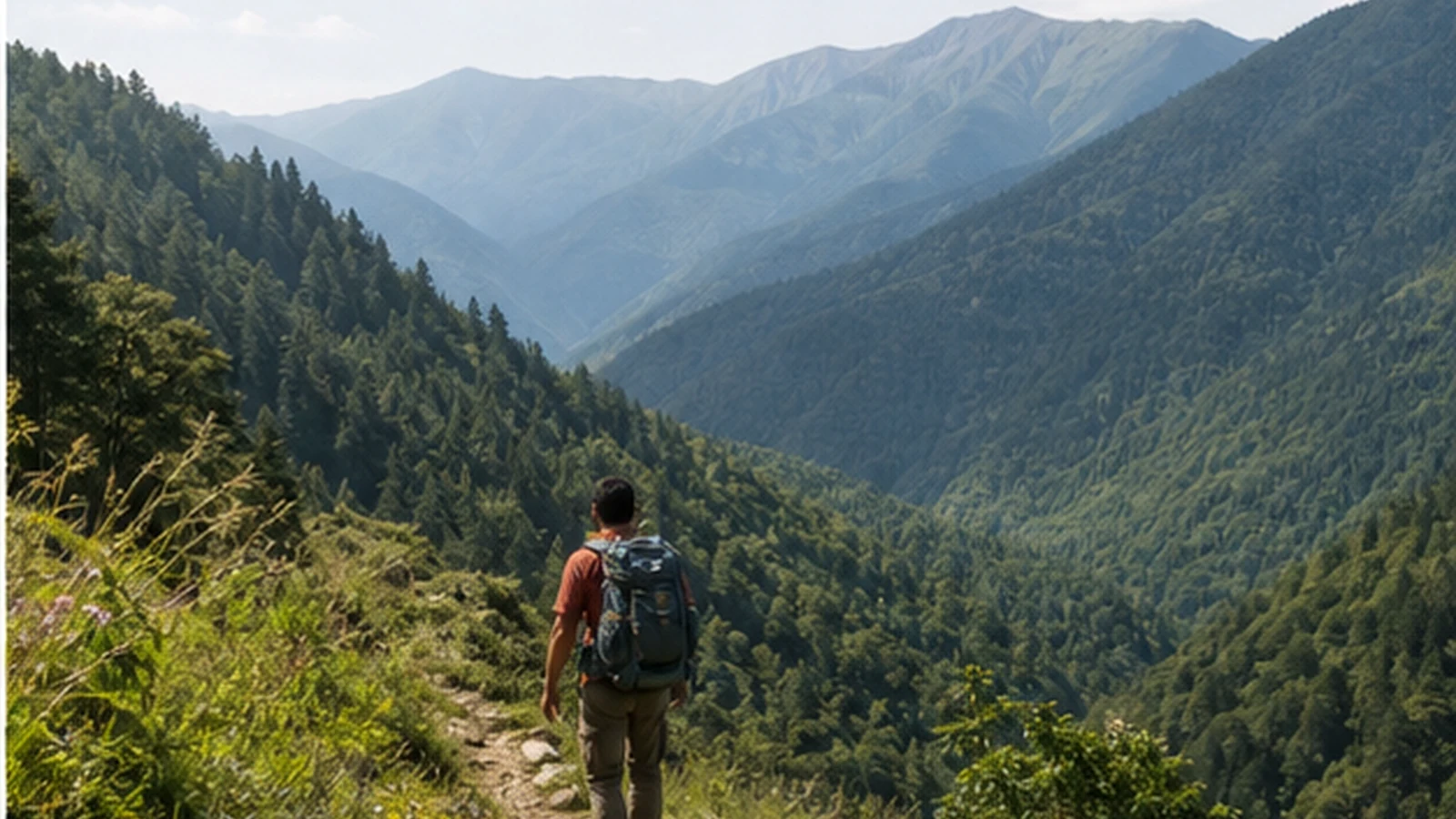
Stay the night in a family guesthouse: a day trip shows you mostly the road, and the valley reveals itself at the evening table. These are Muslim villages, so do not drink alcohol in public, dress modestly (shoulders and knees covered) and ask before entering a mosque. Always ask before photographing people, especially women. For walks or rides up into the mountains, hire a local guide through your hosts. And mind the names: this Omalo is not the Omalo of Tusheti, which lies on the far side of the 2,826 m Abano Pass.
How to get there from Tbilisi
From Tbilisi cross the Gombori Pass (Sh38) to Telavi, then head west to Akhmeta and fill the tank there. From Akhmeta a road runs north up the Alazani for about 17 km to Duisi, on asphalt that narrows as the valley closes in. That makes some 130 km and about two and a half hours. Beyond Birkiani, deeper in the gorge, the asphalt ends and a rough track takes over. An economy car is perfectly adequate for the villages; you need something tougher only if you mean to push on up the valley.
Click a marker for details. Coloured lines are ready-made road trips.
Nearby places
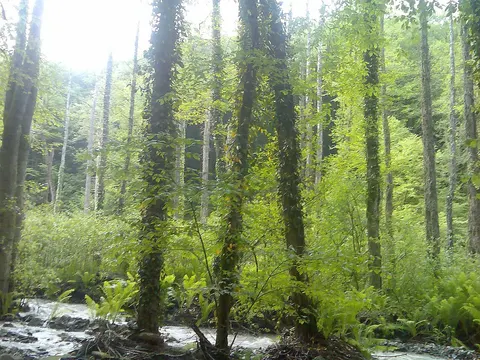
Batsara Reserve
A side gorge of Pankisi shelters the largest yew forest on earth, where a few trees are thought to be some 1,500 years old.
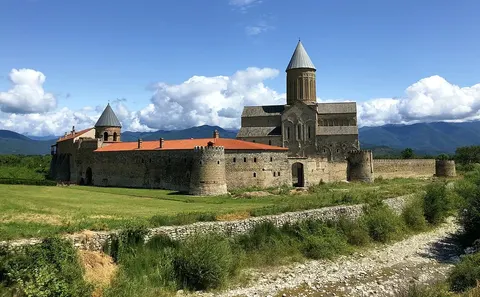
Alaverdi Cathedral
Kvirike III's 11th-century cathedral, over fifty metres tall and alone on the Alazani plain — for nearly a thousand years Georgia's tallest church.
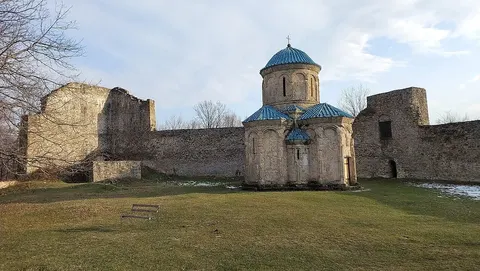
Kvetera Fortress and Church
A small 10th-century church roofed in azure tile, inside the forest citadel on the Akhmeta–Tianeti road that a king once failed to take.
Best car for this trip
Guides
- Driving in Georgia: What the Distances Actually Cost You Georgia is a small country with slow roads. Here is what 267 measured drives from Tbilisi say about how long y
Pickup locations
Car Rental at Tbilisi Airport — 60 km (straight line)