
Gori: Fortress and Stalin Museum
A citadel on a rock above the Mtkvari and the Liakhvi, and below it the shrine Gori built to its most notorious son: one town, two views of history.
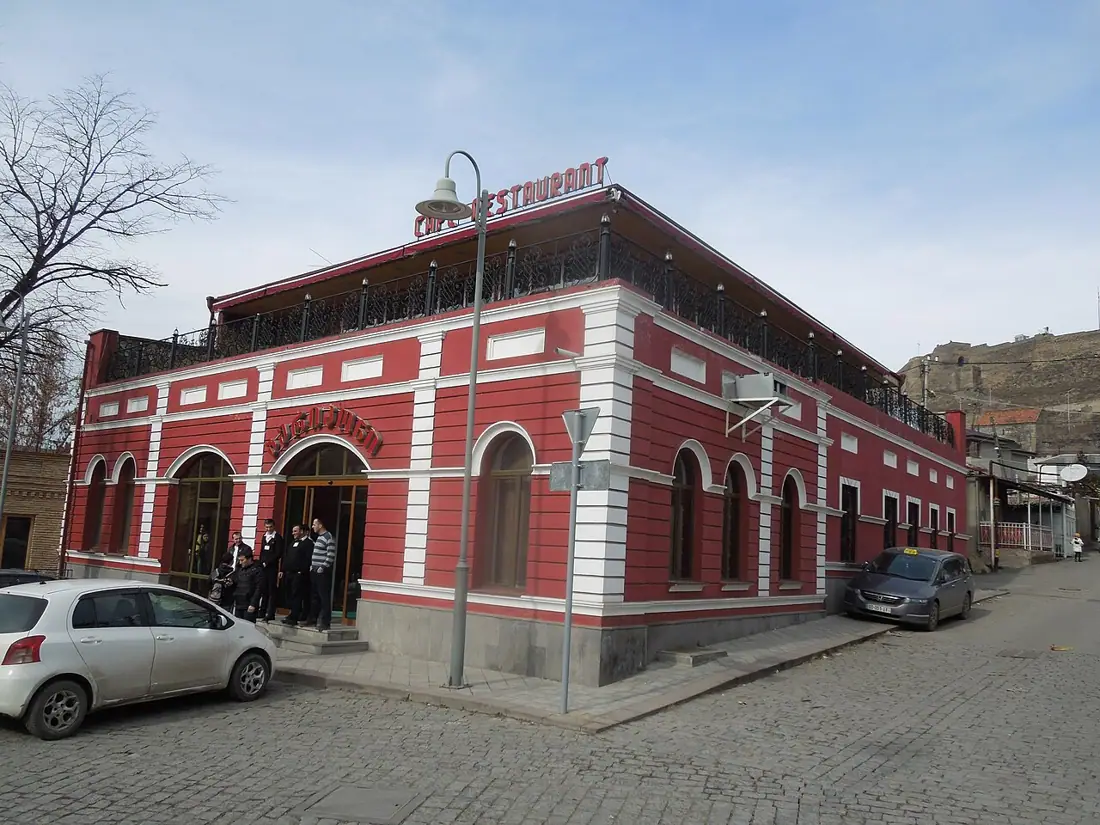
- Time needed
- 3 h
- From Tbilisi
- 86 km · 1:10
- Road
- Paved
- Car needed
- Economy class
- Season
- All year
- Entry
- museum: check locally; fortress free
Gori makes you look at history twice: once from a medieval rampart, once from a Soviet shrine.
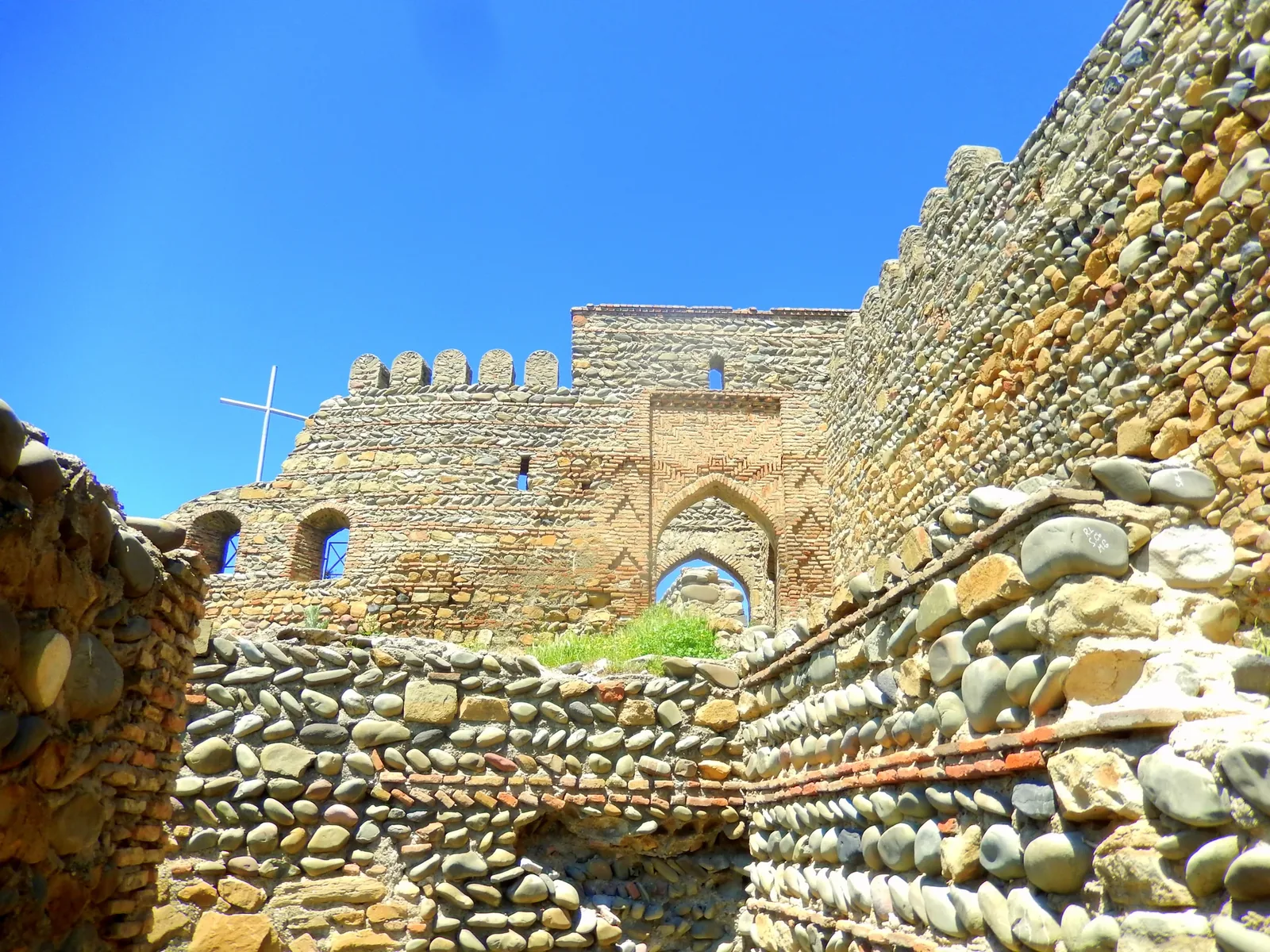
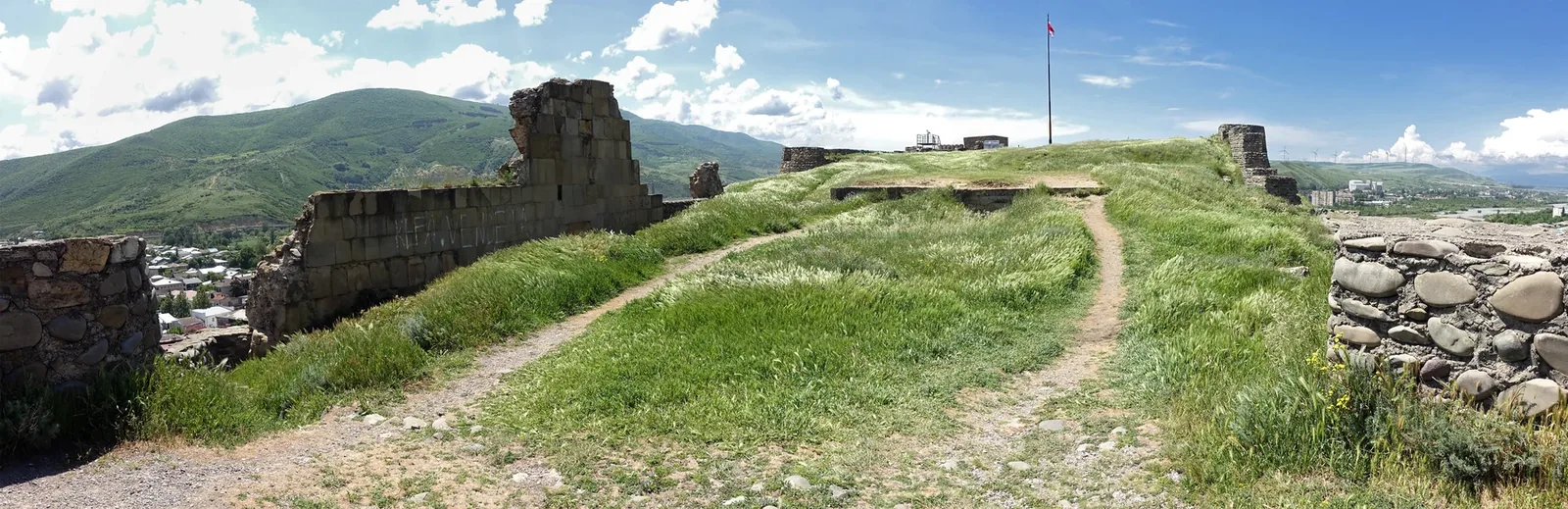
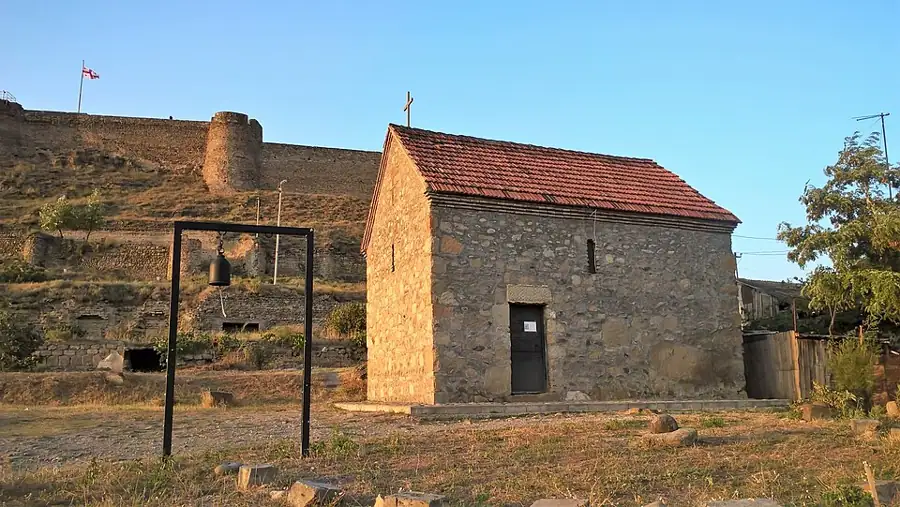
The fortress rides an isolated hill in the middle of town, above the meeting of the Mtkvari and the Great Liakhvi. Whoever held it held Shida Kartli, so everyone fought for it. The hill was already fortified in the last centuries BC, and the name "Gori fortress" appears in the 13th century. In the 1590s the Ottomans held it; King Simon I besieged it for nine months, then in 1599 feigned a Lenten truce and took it back in a night attack. King Rostom rebuilt it in the 1630s and Erekle II in 1774, and the 1920 earthquake left the ruin you see today. Walk the oval wall of river cobbles patched with brick to its best-preserved western section, the Tskhrakara, "Nine Gates".
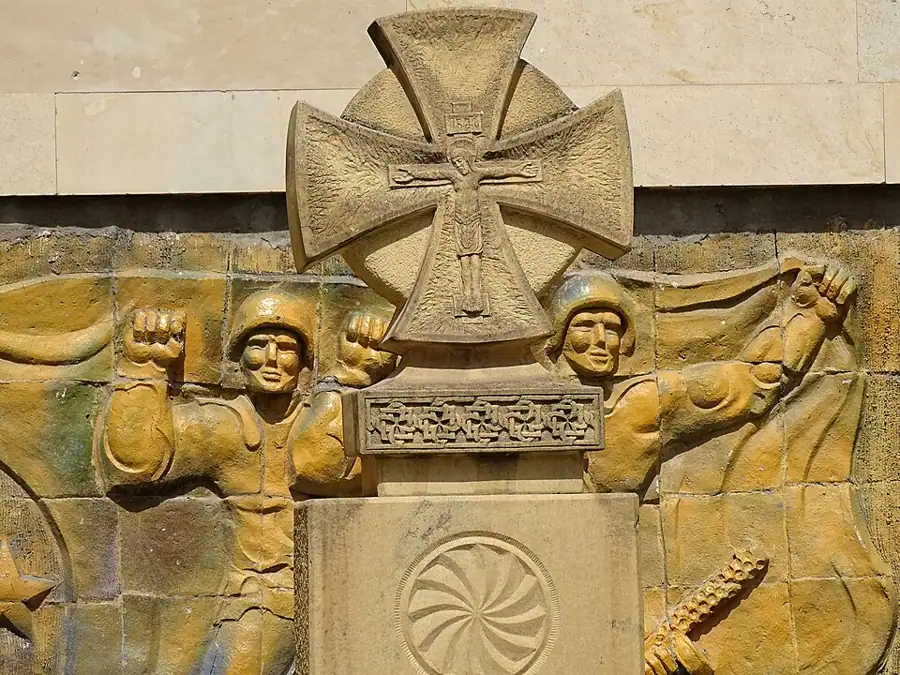
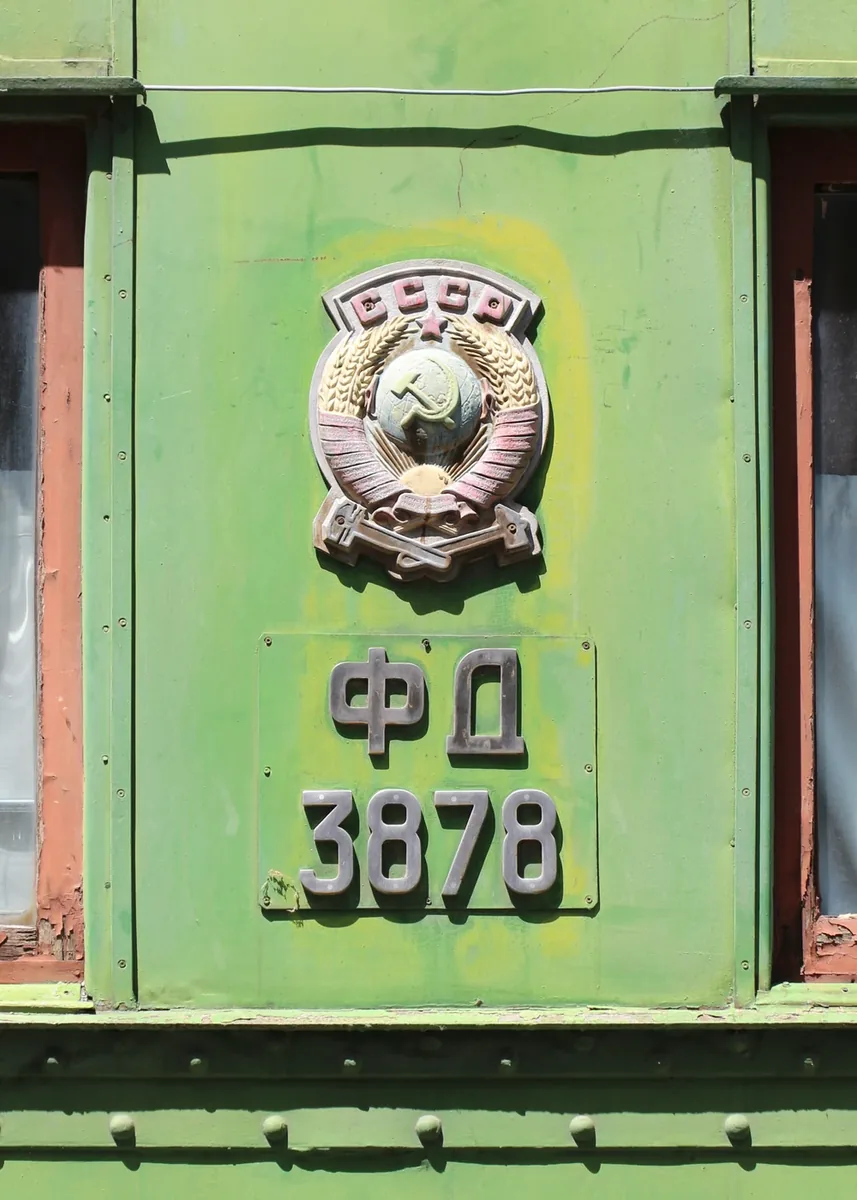
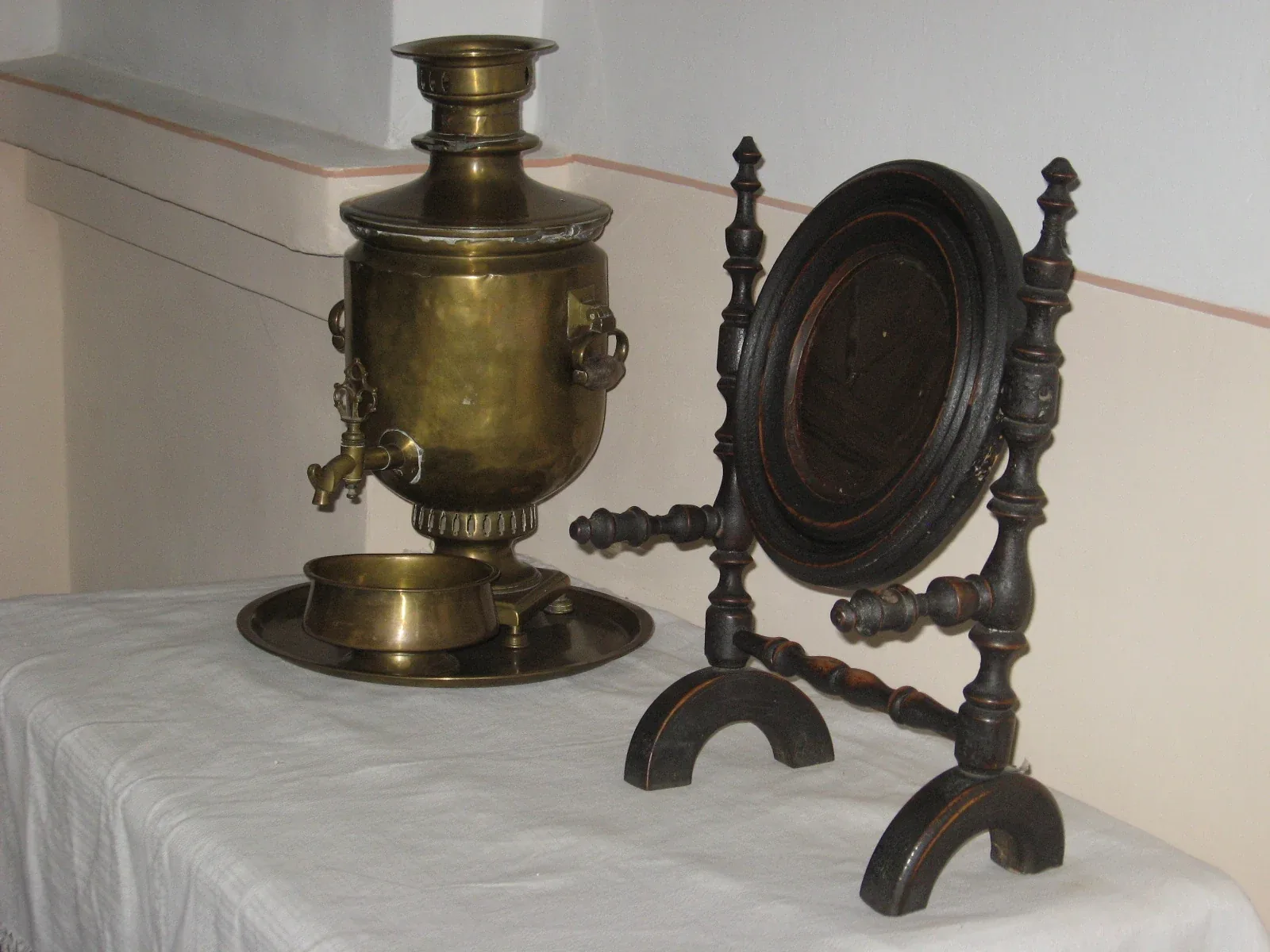
Below, on Stalin Avenue, stands the Joseph Stalin Museum. Work began in 1951, officially on a museum of the history of socialism; after Stalin's death in 1953 it became his memorial and was dedicated to him in 1957. Six halls of photographs, gifts and paintings end at one of twelve casts of his death mask. Outside, a classical pavilion encloses the wooden house where the cobbler's son was born in 1878, and beside it stands his green armoured Pullman carriage, 83 tonnes, in use from 1941, brought here from Rostov-on-Don in 1985.
The museum's reverent tone has barely changed. After Russian aircraft bombed Gori in August 2008 and troops occupied the town until 22 August, a banner at the entrance called the museum a falsification of history; by 2017 it was gone, and in 2012 the town council had already voted to leave the exhibition as it was. The Stalin statue in the main square came down on 25 June 2010.
Climb the fortress first. From the wall you can see the museum's colonnade below, and the whole argument laid out between them.
Gallery
Practical advice
The museum ticket covers the main building, the birth house and the railway carriage. English-speaking guides lead tours at intervals, and without one most of the Georgian and Russian labels stay silent. Allow one and a half to two hours for the museum and an hour for the fortress, which is free. The path up is short and steep with no handrail, and the stones are slippery when wet; in summer climb early or towards sunset, as the hill has no shade. Cafés, ATMs and toilets line Stalin Avenue.
How to get there from Tbilisi
Gori is 86 km west of Tbilisi on the E60 (S1) motorway, about an hour and ten minutes on a fast road. Take the signed Gori exit and follow the main road into the centre: the museum is on Stalin Avenue, and the fortress hill is a ten-minute walk away. Park near the museum. It is asphalt all the way and any car will do. Fuel is easy to find on the motorway and in town. Uplistsikhe is about 10 km further east across the Mtkvari, so the two make an easy half-day pair.
Click a marker for details. Coloured lines are ready-made road trips.
Nearby places
Uplistsikhe
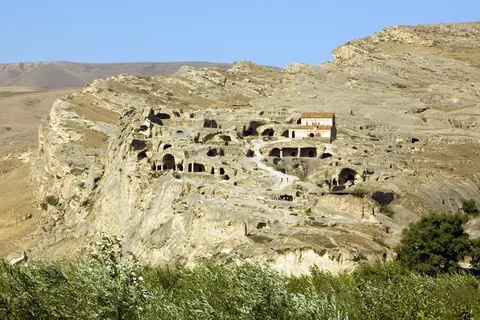
A town cut into a sandstone ridge above the Mtkvari: rock halls, a stone main street, wine presses and a tunnel to the river, lived in for three millennia.
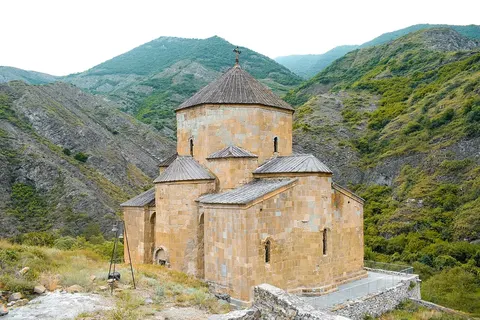
Ateni Sioni Church
A 7th-century church on a cliff above the Tana, where the script on every Georgian shop sign first appears in a dated inscription.
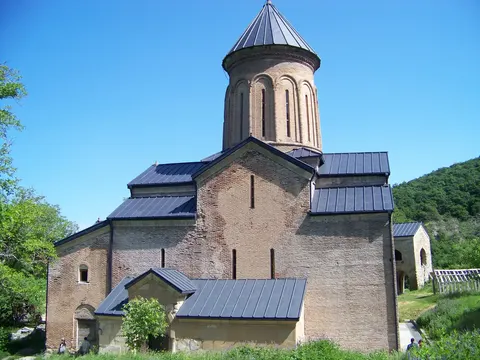
Kintsvisi Monastery
A red-brick Golden Age church in the forest near Kareli, where an angel in lapis-lazuli blue points to Christ's empty tomb.
Part of these road trips
- Mtskheta, Uplistsikhe and Ateni Valley 2 days · 230 km
- Gori and Uplistsikhe in One Day 1 days · 205 km
Best car for this trip
Guides
- Driving in Georgia: What the Distances Actually Cost You Georgia is a small country with slow roads. Here is what 267 measured drives from Tbilisi say about how long y
Pickup locations
Car Rental in Tbilisi — 66 km (straight line)
Booking and enquiries
The easiest way to reach these places is by car — you pick the route and the stops.