Fabrika and the Marjanishvili District
A Soviet sewing factory turned into a courtyard of bars and studios, and the old German quarter around it.
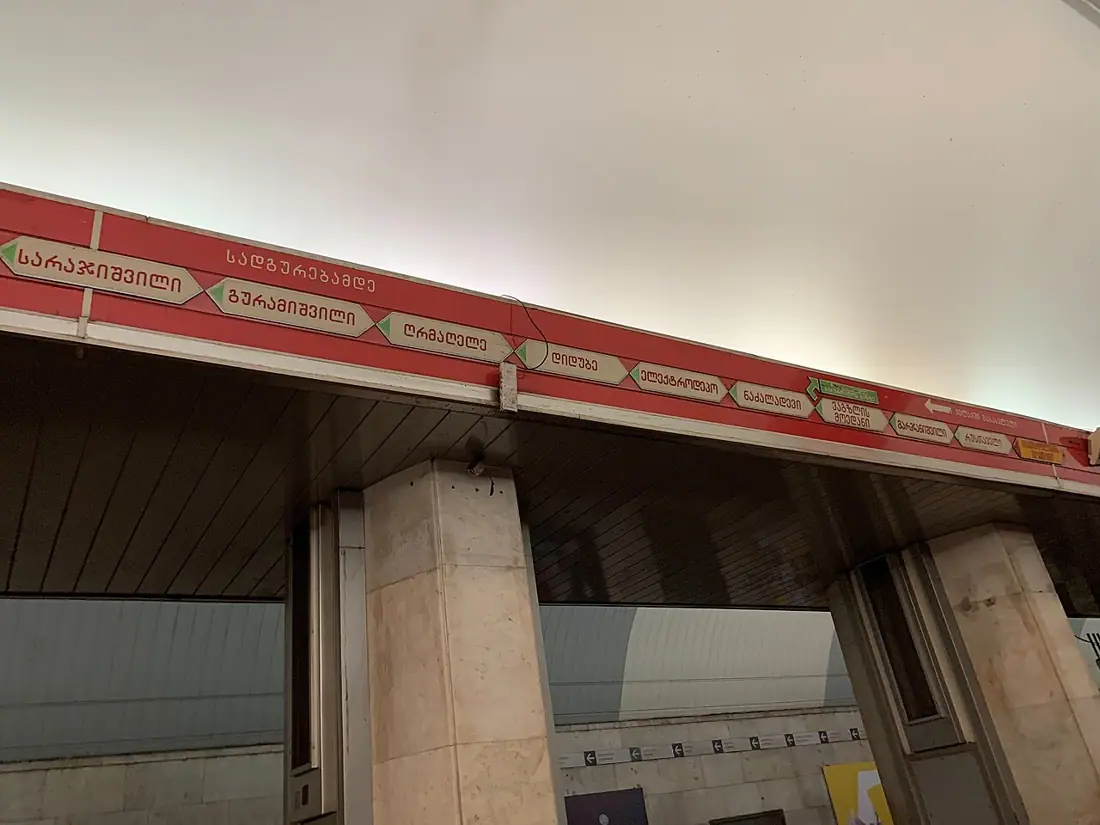
- Time needed
- 2 h
- From Tbilisi
- 4 km · 0:15
- Road
- Paved
- Car needed
- Economy class
- Season
- All year
- Entry
- free
Fabrika is where Tbilisi learned what to do with a Soviet building. The sewing factory on Egnate Ninoshvili Street was converted in 2016: a hostel and co-working floors went into the block, and the central yard was opened up with bars, cafes, workshops and small independent shops.
Walking into the yard is free, and that matters. There are few places in Tbilisi where you can simply sit for an hour without buying anything. By day it is calm and full of laptops; by evening it fills up and gets loud, and after two in the morning the neighbours are not enthusiastic.
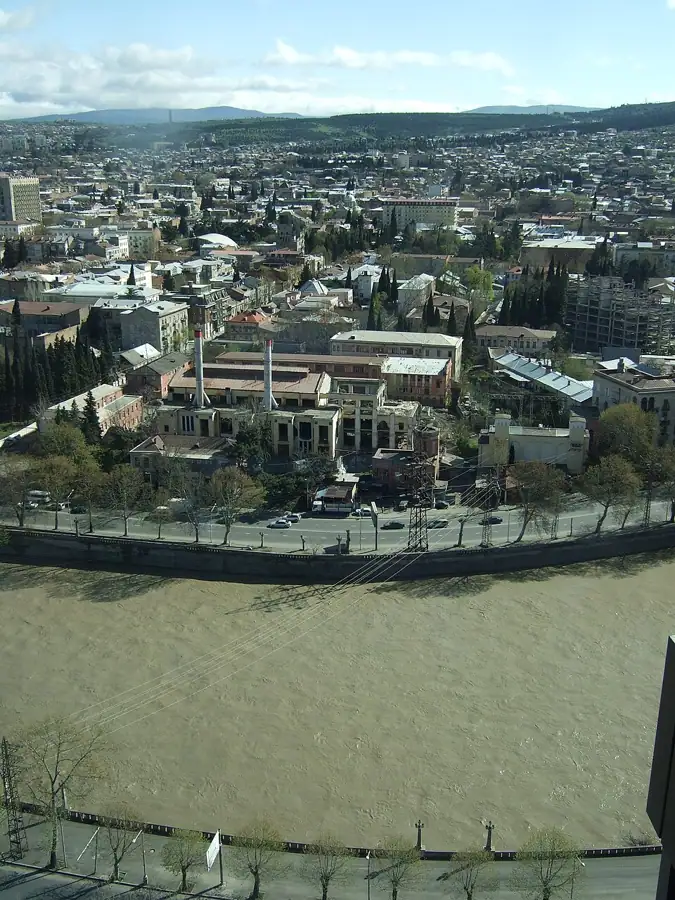
Around it lies Chughureti, a district founded in 1817 by German colonists and long known as New Tiflis. Its regular grid of streets dates from that settlement, which is why this part of the left bank looks nothing like the old town.
Within a few minutes' walk:
-
Marjanishvili Square and the Kote Marjanishvili Drama Theatre, working in Tbilisi since 1930
-
the restored stretch of Agmashenebeli Avenue between Marjanishvili and Saarbrücken squares, where nineteenth-century facades were renovated in 2016
-
Saarbrücken Bridge, named for the twin city, with a good view along the river
The honest note is that the restoration stopped at the facades. One block back, houses are still held up by timber props and the courtyards are in poor shape. That contrast is much of what makes the district interesting: it has not been tidied into a set.
Fabrika started a wave: since 2016 several other Soviet factories and warehouses in Tbilisi have been converted the same way. Still, the best part of the district is what was here before Fabrika arrived — the small canteens of Chughureti, the khinkali houses, and the bakeries where tonis puri comes out of the clay oven three times a day. After eight in the evening these streets are livelier than the centre, and noticeably cheaper.
Gallery
Practical advice
Two hours covers the yard and a walk around the district. The Fabrika courtyard is open all day and has toilets. Evenings, especially Friday and Saturday, are crowded and loud. Bars take cards; small market stalls in the yard want cash. Restaurants along Agmashenebeli fill up after eight, so book a table if you have somewhere in mind. The district is flat and comfortable to walk, and mostly manageable with a wheelchair, though the pavements are broken in places.
How to get there from Tbilisi
From the centre cross to the left bank by Baratashvili or Saarbrücken bridge and follow Agmashenebeli Avenue — 4 km, fifteen minutes. Fabrika has no car park of its own. There are metered bays on Ninoshvili and Javakhishvili streets, usually findable by day and not in the evening. A good alternative is the streets around Marjanishvili metro station, five minutes' walk away. Do not drive into the narrow courtyards; getting out is harder than getting in. An economy car is enough.
Click a marker for details. Coloured lines are ready-made road trips.
Nearby places
Dry Bridge Market
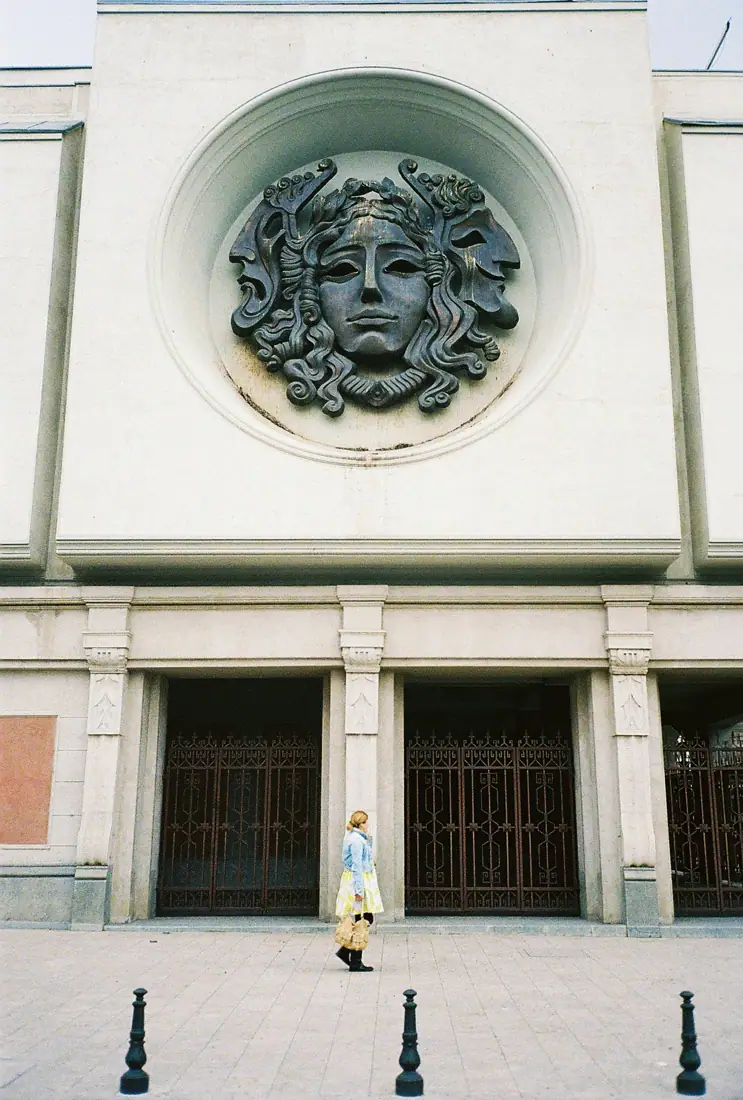
An open-air flea market where two centuries of the country's household objects are laid out on folding tables.
 Museum
State Silk Museum
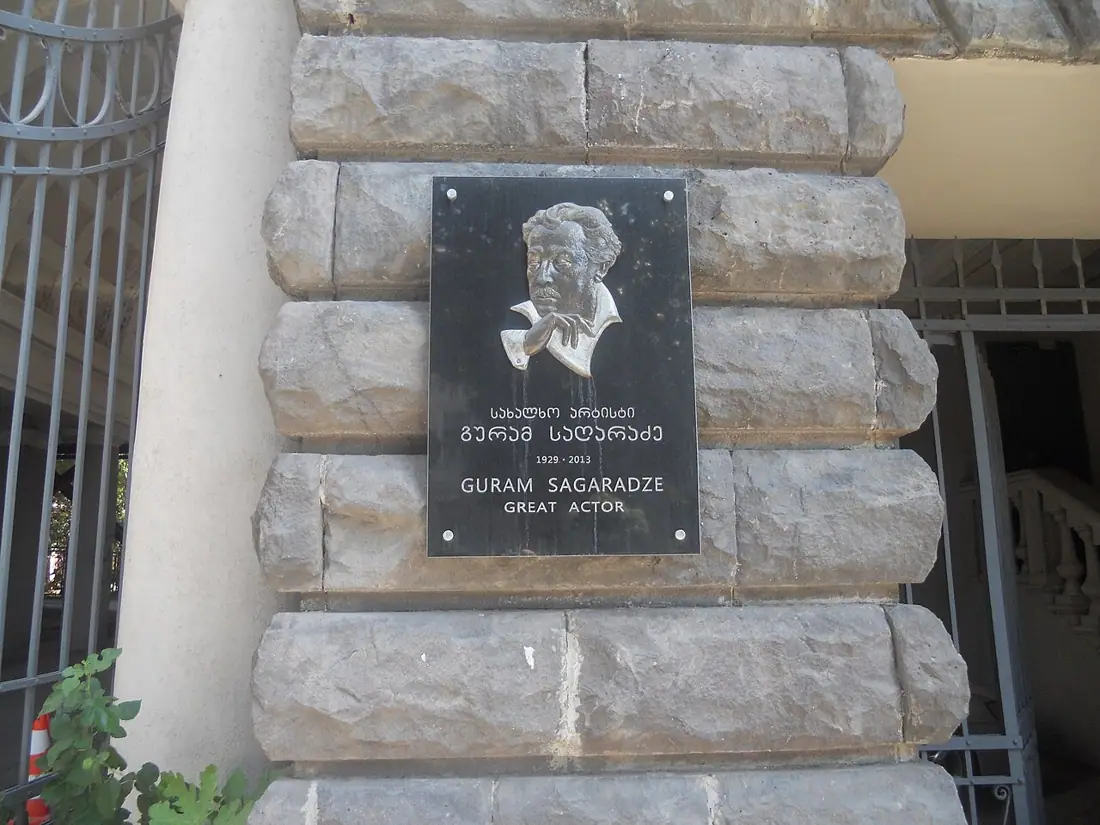
A museum founded in 1887 that has barely changed — the cases, the labels and the collection are all original.
 Town
TownDezerter Bazaar
Georgia's main food market beside the railway station, where produce from every region ends up.
 Town
TownRustaveli Avenue
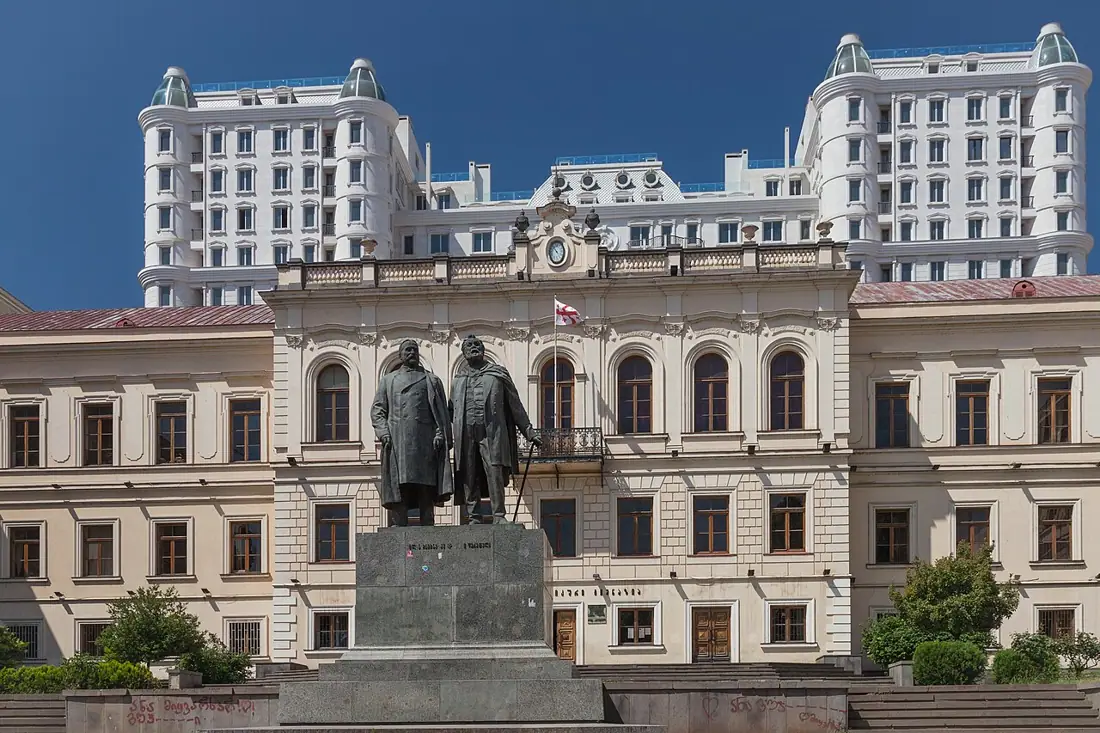
Tbilisi's main street: a kilometre and a half of plane trees, opera, parliament and political memory.