
Kojori Fortress (Azeula)
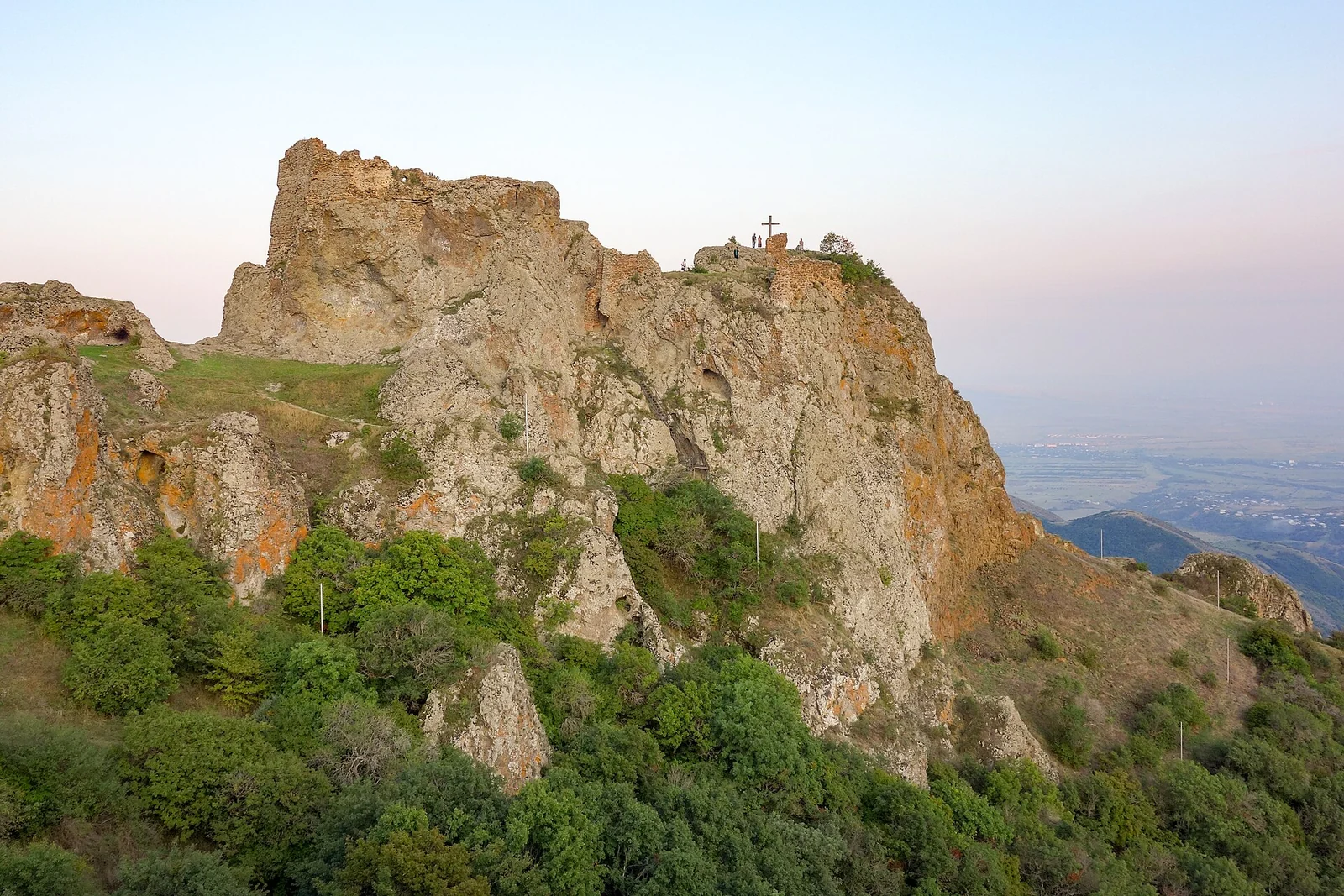
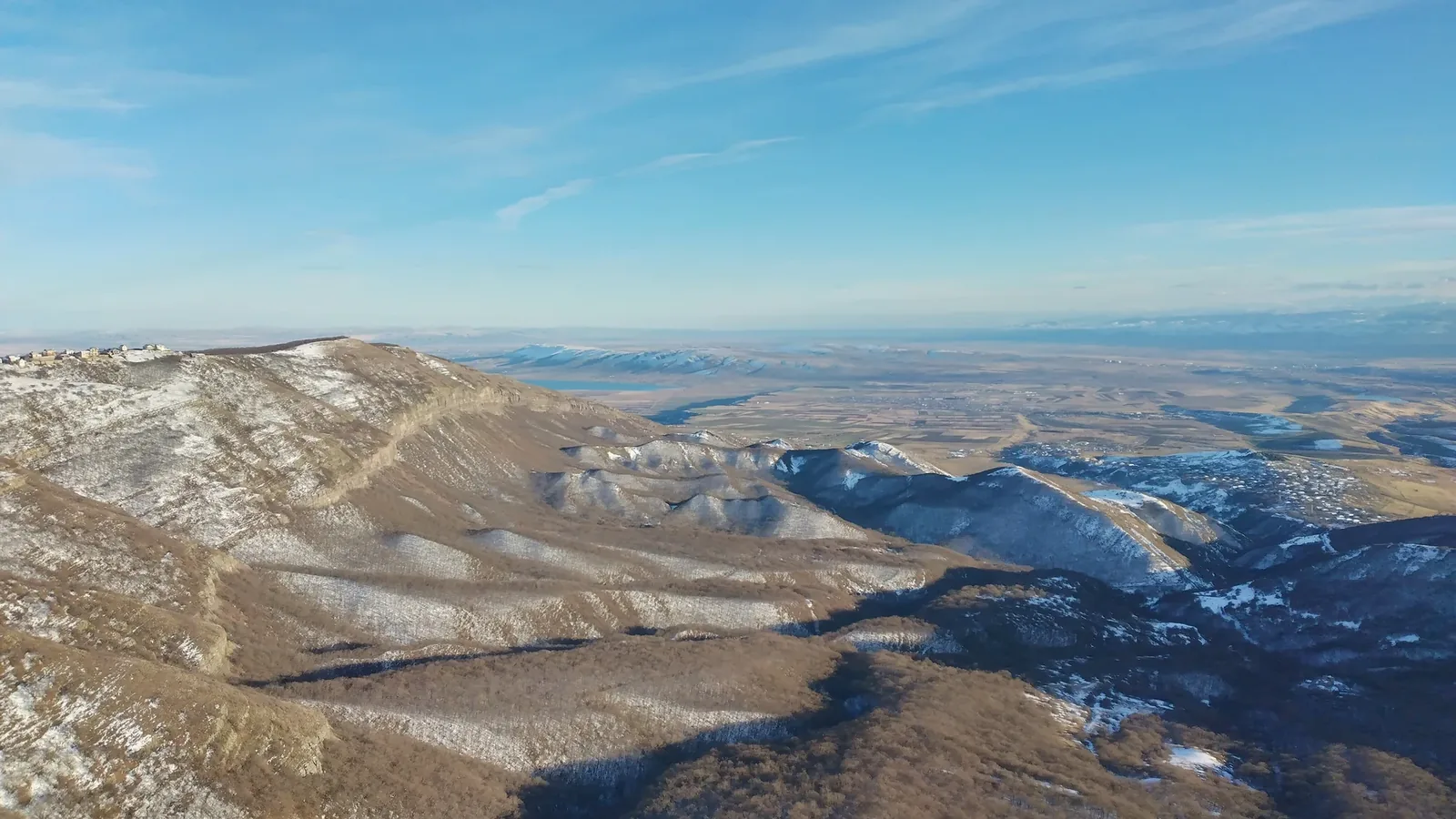
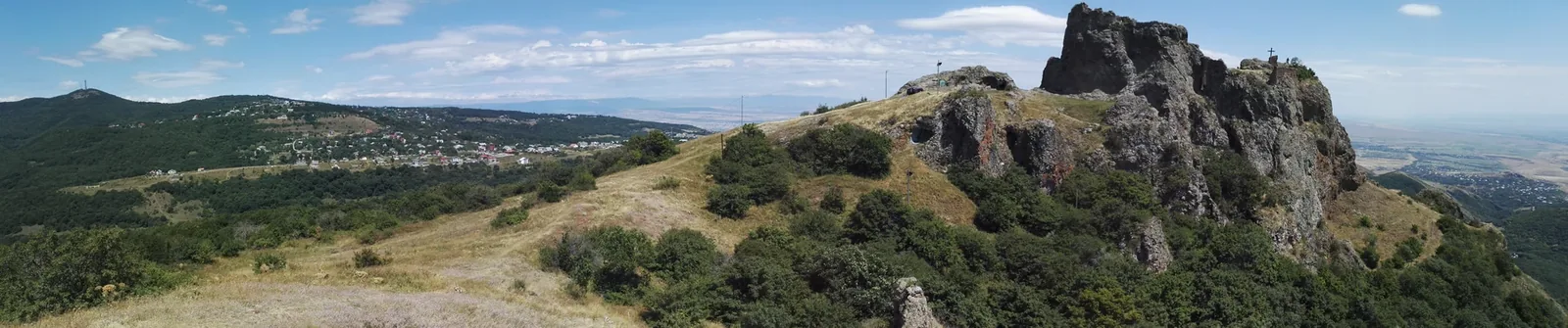
The ruined walls of Agarani on Azeula crag above Kojori: a royal summer seat, where the chronicles say Queen Tamar died, and a battlefield of 1921.
- Time needed
- 1.5 h
- From Tbilisi
- 21 km · 0:40
- Road
- Paved
- Car needed
- Economy class
- Season
- All year
- Entry
- free
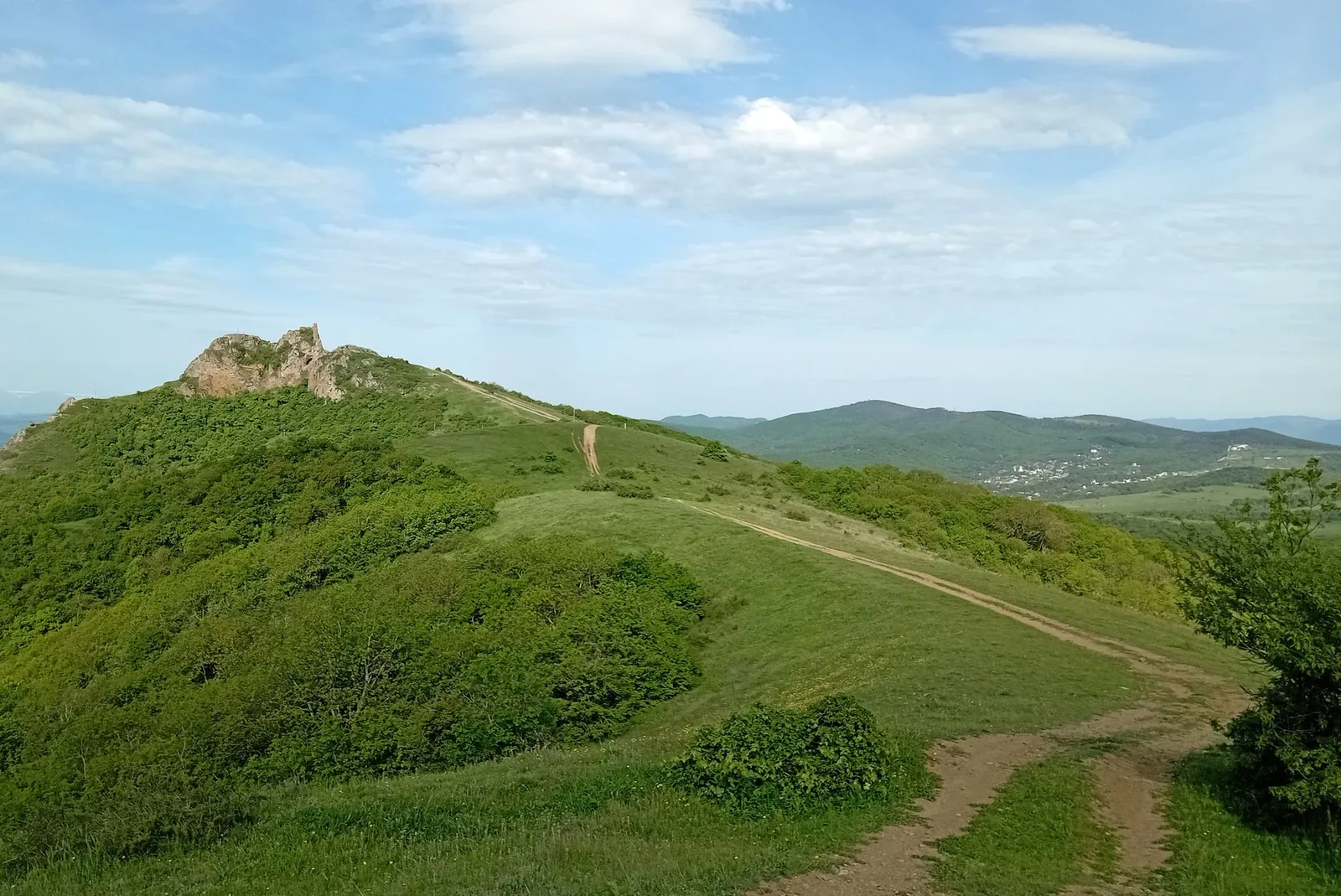
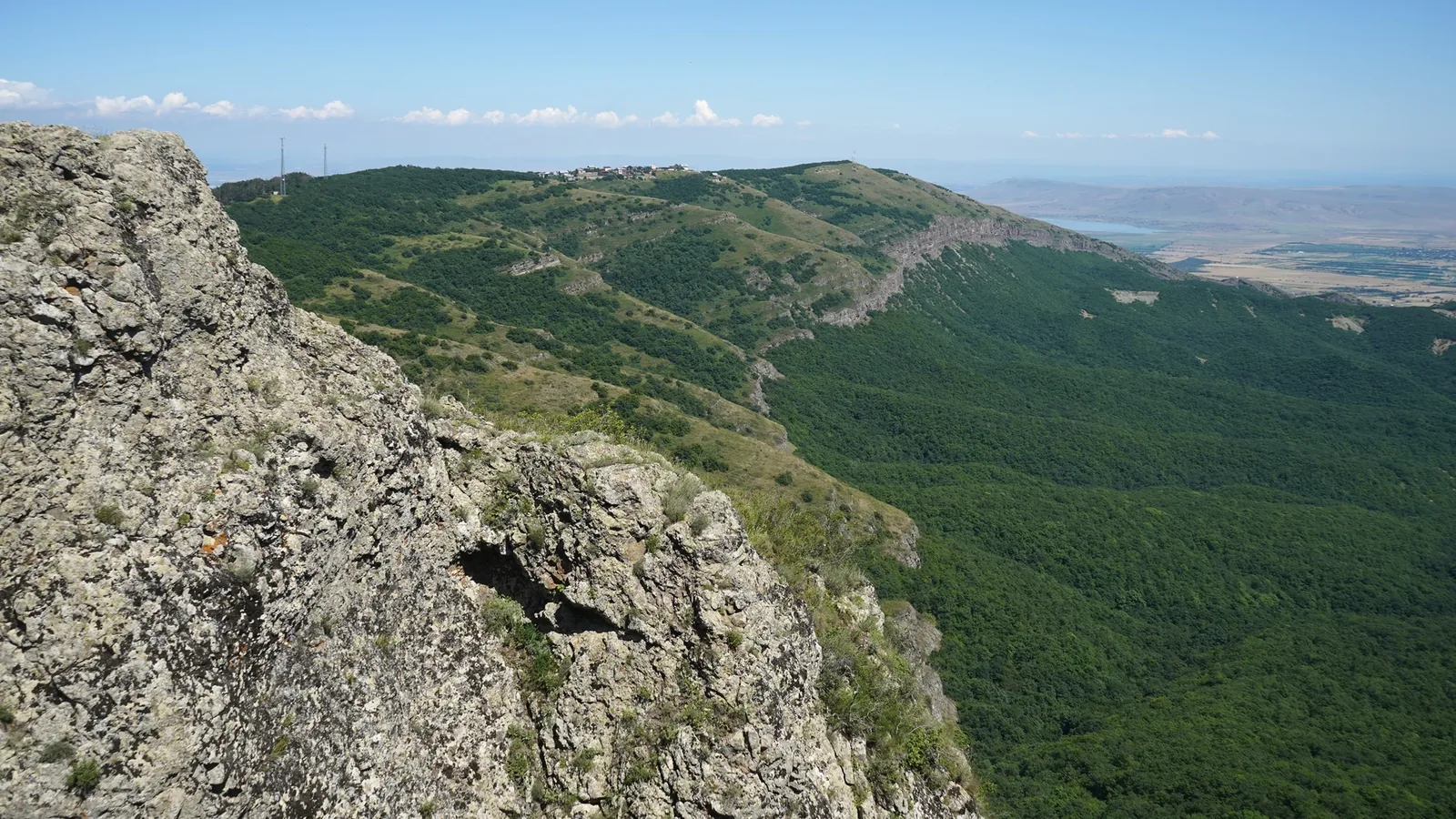
Azeula crag rises over Kojori like a stone fist, and on its knuckles sit the broken walls of Agarani.
At about 1,350 metres, on a volcanic spur of the Trialeti range, the fortress guarded the caravan road from Somkhiti into Tbilisi, and it changed hands like a coin. Bagrat IV took it from the emir Fadlon in the 1060s; the Seljuks seized it during the "Great Turkish Invasion" of 1080; David the Builder won it back in a single day in July 1118 and in 1123 granted it to Ivane Orbeli. When nobles rebelled against Giorgi III in 1177, they dug in here, and the king took Agarani that same year.
It was also a summer seat of kings. The chronicles say Queen Tamar was brought here ill and died here; where she lies buried is still unknown. From the 15th century the fortress belonged to the Sologashvili family and took the name Kojori. At the end of that century Turkoman musketeers sent by Yaqub, ruler of the Aq Qoyunlu, battered it until the small garrison withdrew. In the 17th century King Rostom made Kojori a royal summer residence again. Tradition says the folk hero Koroghli once sheltered here, hence the old name Koroghli Fortress.
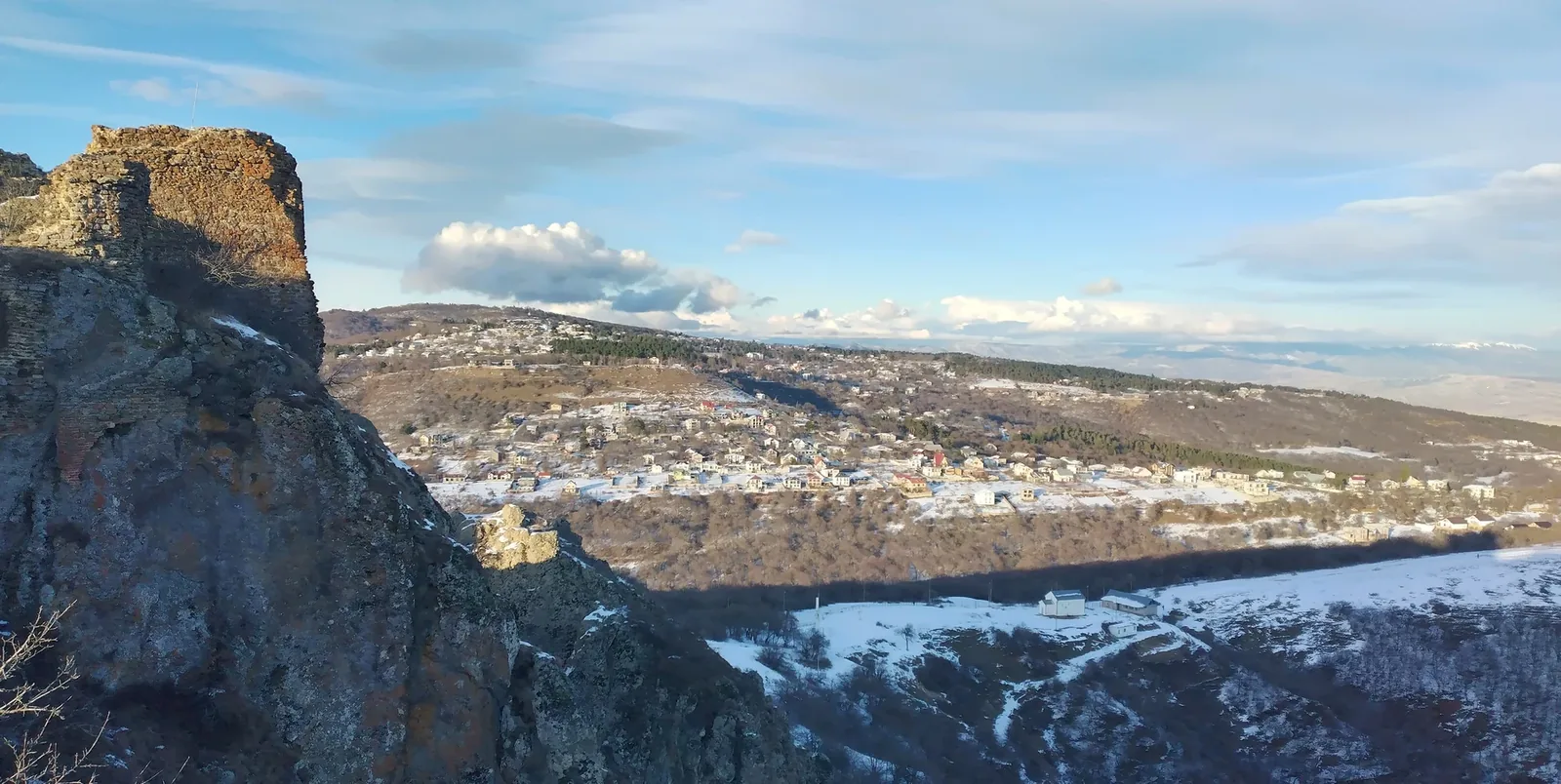
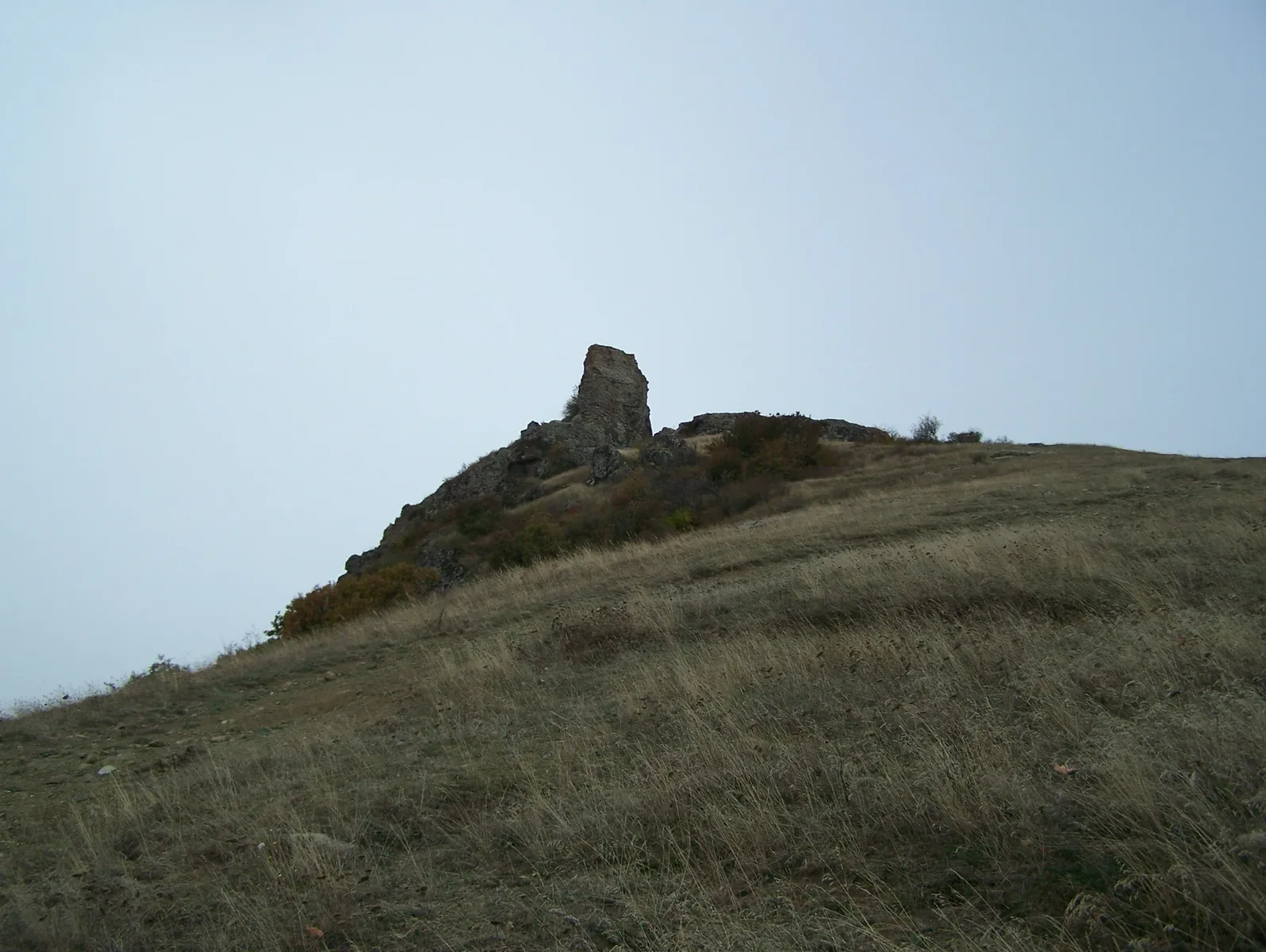
What stands today is modest: the stumps of two towers and the wall between them, rubble stone patched with brick, mostly 16th–18th-century work on an 11th-century core.
In February 1921 the heights of Kojori saw heavy fighting against the invading Red Army. Georgian cadets of twenty or twenty-one fought here, and with them died Maro Makashvili, a nineteen-year-old volunteer nurse; a monument to the cadets was raised in the 1990s. At dusk, as the lights of Tbilisi come on in the basin below, you see what they were defending.
Gallery
Practical advice
Come for the last hour of daylight, when the crag turns gold and the city lights up below, but carry a torch: you will walk down in the dark. The path is short but rocky and loose in places, so wear proper shoes and keep children close near the drops. Kojori is noticeably cooler and windier than Tbilisi; bring an extra layer. There is nothing at the ruin itself, no water, toilet or kiosk, so shop in Kojori. The site is open year-round and free.
How to get there from Tbilisi
From central Tbilisi take the Kojori road, which starts as Maro Makashvili Ascent and winds up through wooded hills above the city: 21 km, about 40 minutes on asphalt all the way. In Kojori follow Junkers Street and then Azeula Street towards the crag at the southern edge of town, and park at the roadside where the path begins. From there it is a 15–20 minute climb on foot. Any economy car manages the road; in winter watch for ice on the upper bends and on the path itself. Fill up in Tbilisi.
Click a marker for details. Coloured lines are ready-made road trips.
Nearby places
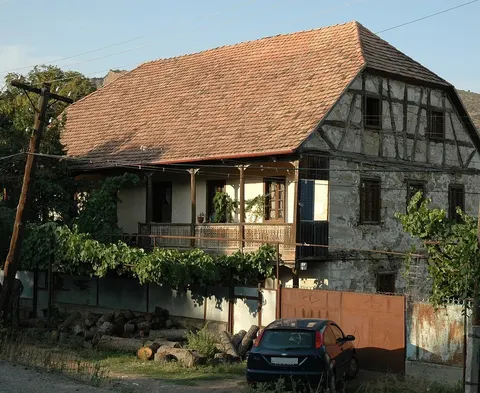
Asureti
The Swabian colony of Elisabethtal, founded in 1818: tiled gables, deep wine cellars, a Lutheran church of 1871 and a grape first found in the woods.
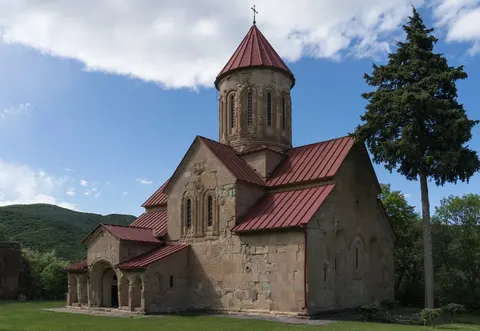
Betania Monastery
A Golden Age monastery deep in the wooded Vere gorge, where Queen Tamar looks out from a fresco painted in her own lifetime.
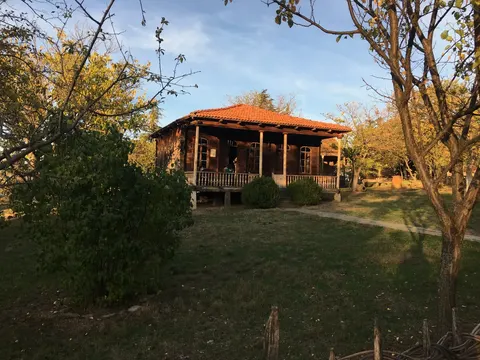
Open Air Museum of Ethnography
A village assembled on a wooded hill above Vake, where a Khevsur tower, an early basilica from Tianeti and a Megrelian maize granary stand as neighbours.
Best car for this trip
Guides
- Driving in Georgia: What the Distances Actually Cost You Georgia is a small country with slow roads. Here is what 267 measured drives from Tbilisi say about how long y
Pickup locations
Car Rental in Tbilisi — 11 km (straight line)
Booking and enquiries
The easiest way to reach these places is by car — you pick the route and the stops.