
Asureti
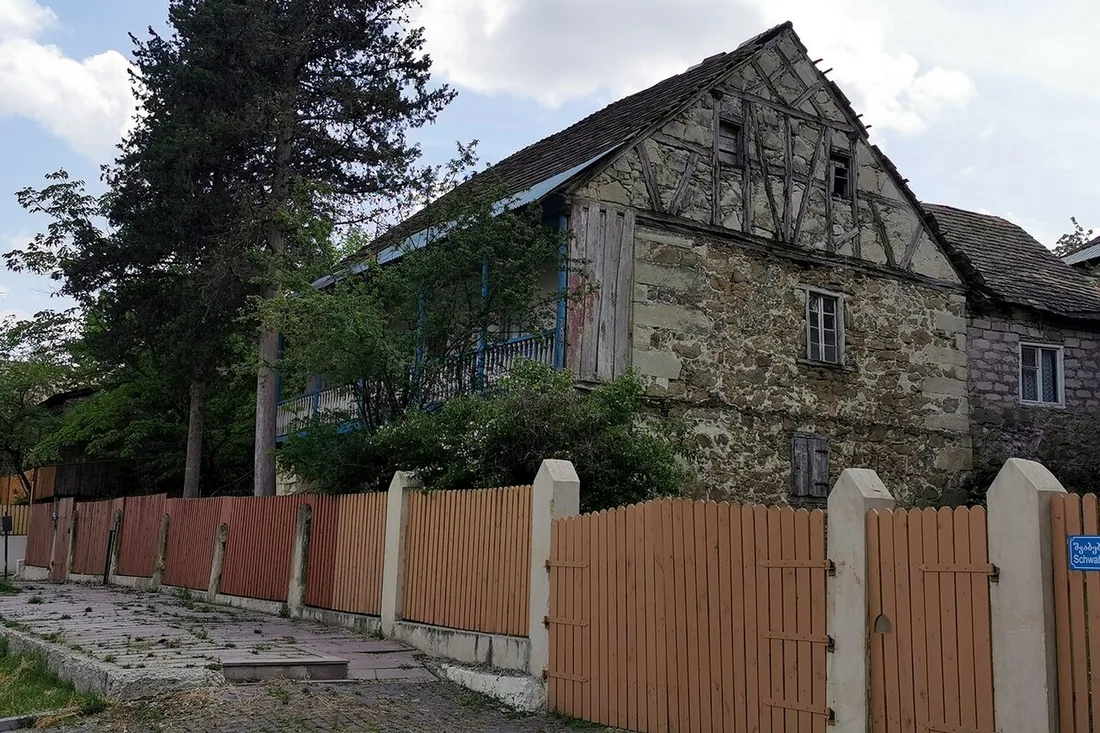
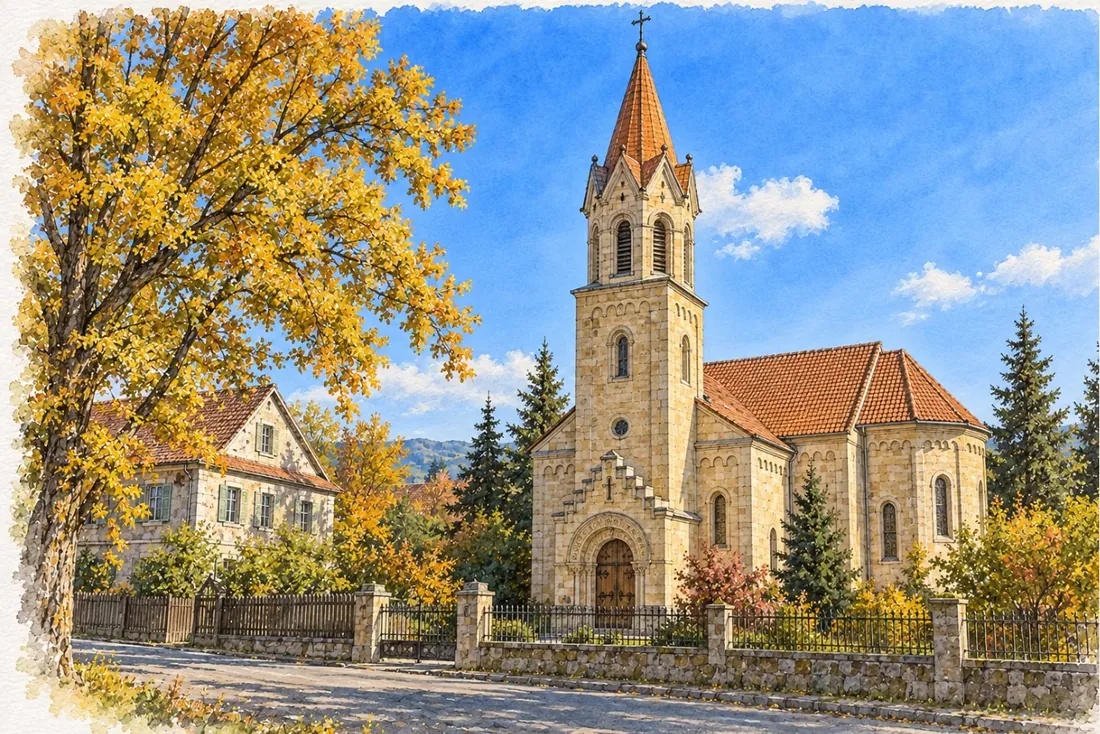
The Swabian colony of Elisabethtal, founded in 1818: tiled gables, deep wine cellars, a Lutheran church of 1871 and a grape first found in the woods.
- Time needed
- 2 h
- From Tbilisi
- 38 km · 0:50
- Road
- Paved
- Car needed
- Economy class
- Season
- All year
- Entry
- free
Less than an hour from Tbilisi is a Georgian village with a street called Schwabenstraße and signs in both German and Georgian.
Asureti is an old Georgian village emptied by invasions in the 18th century. On 19 November 1818 seventy-two Swabian families from Württemberg, Protestants fleeing religious persecution at the invitation of Tsar Alexander I, founded a colony here and named it Elisabethtal. When the naturalist Friedrich Parrot passed through in 1829, he knew the colonies for German at a glance: by their houses, their fields, their carts and their dress.
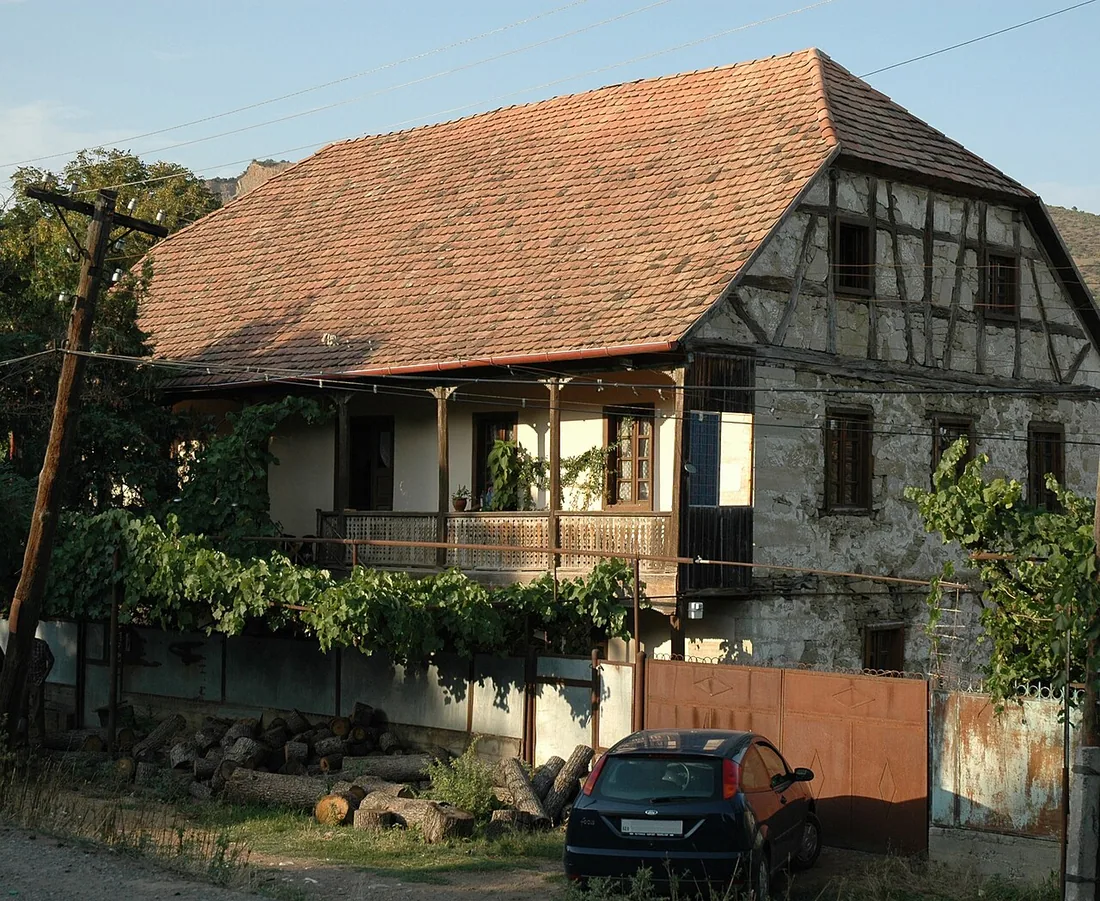
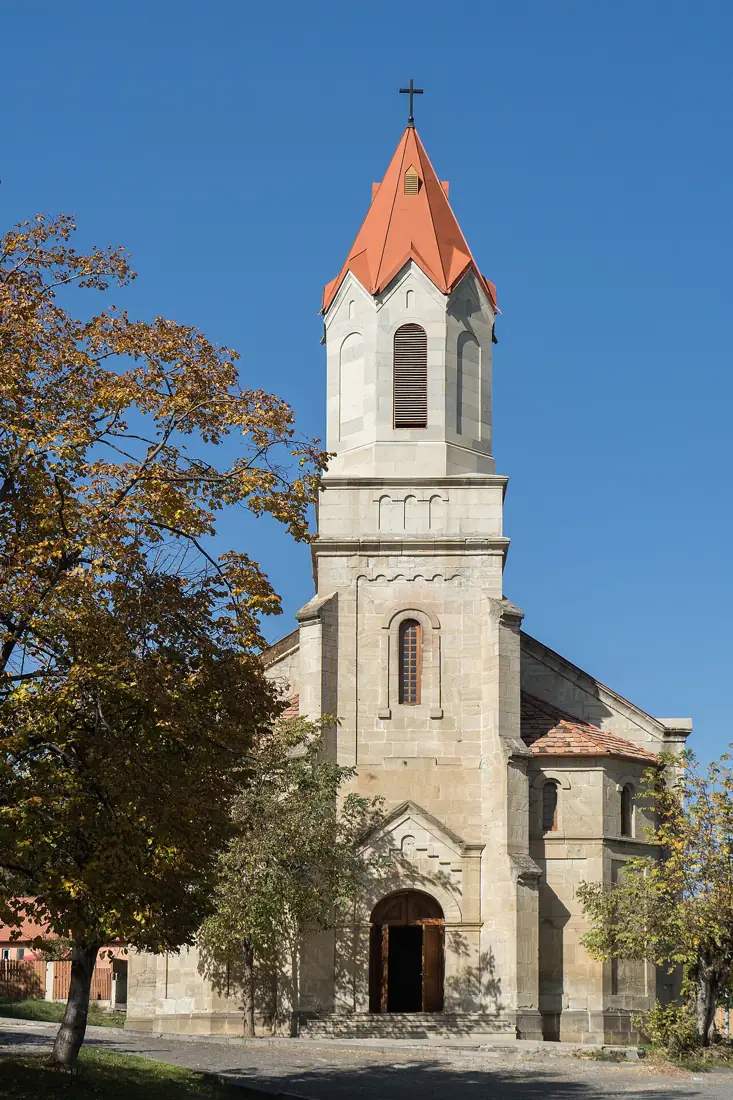
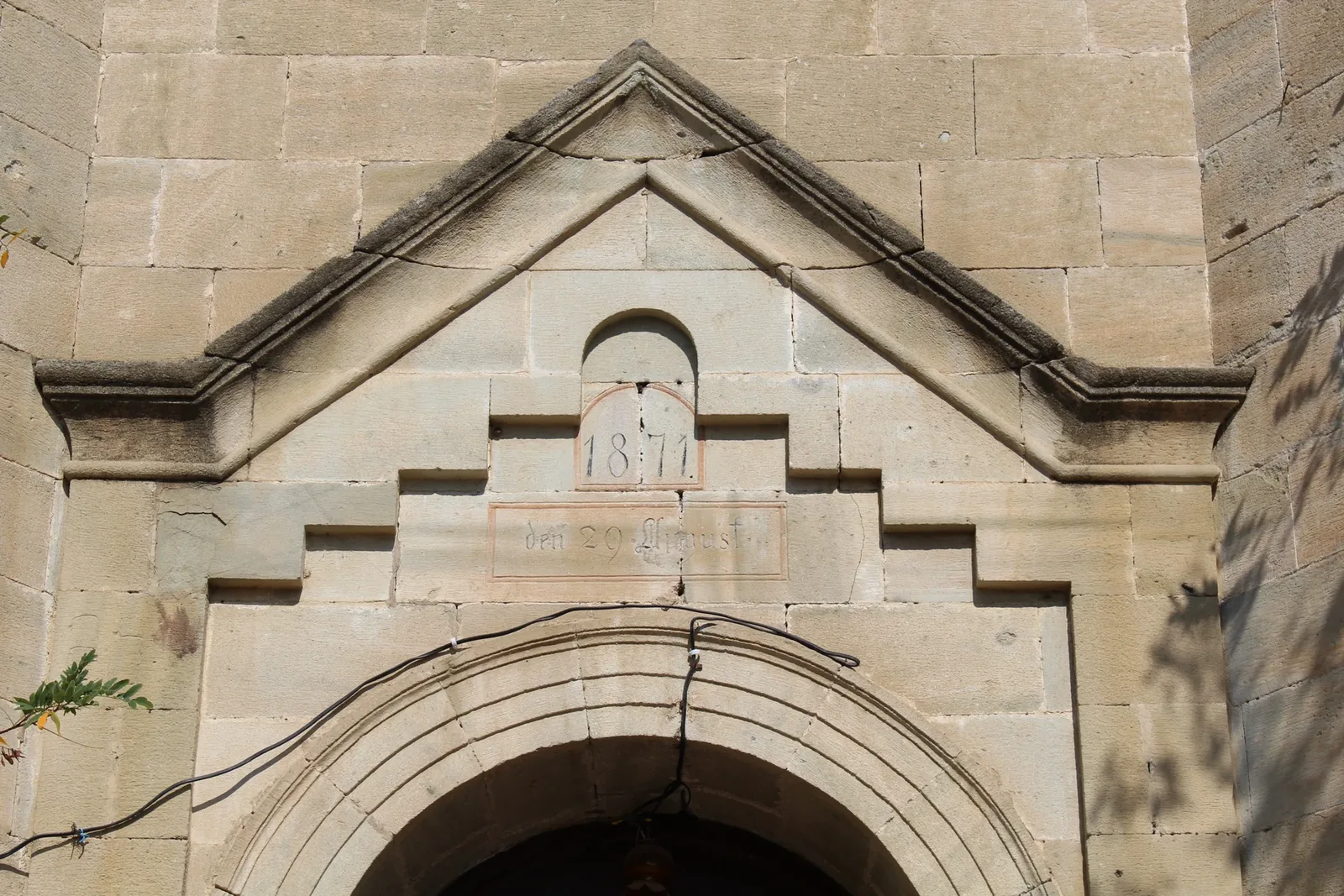
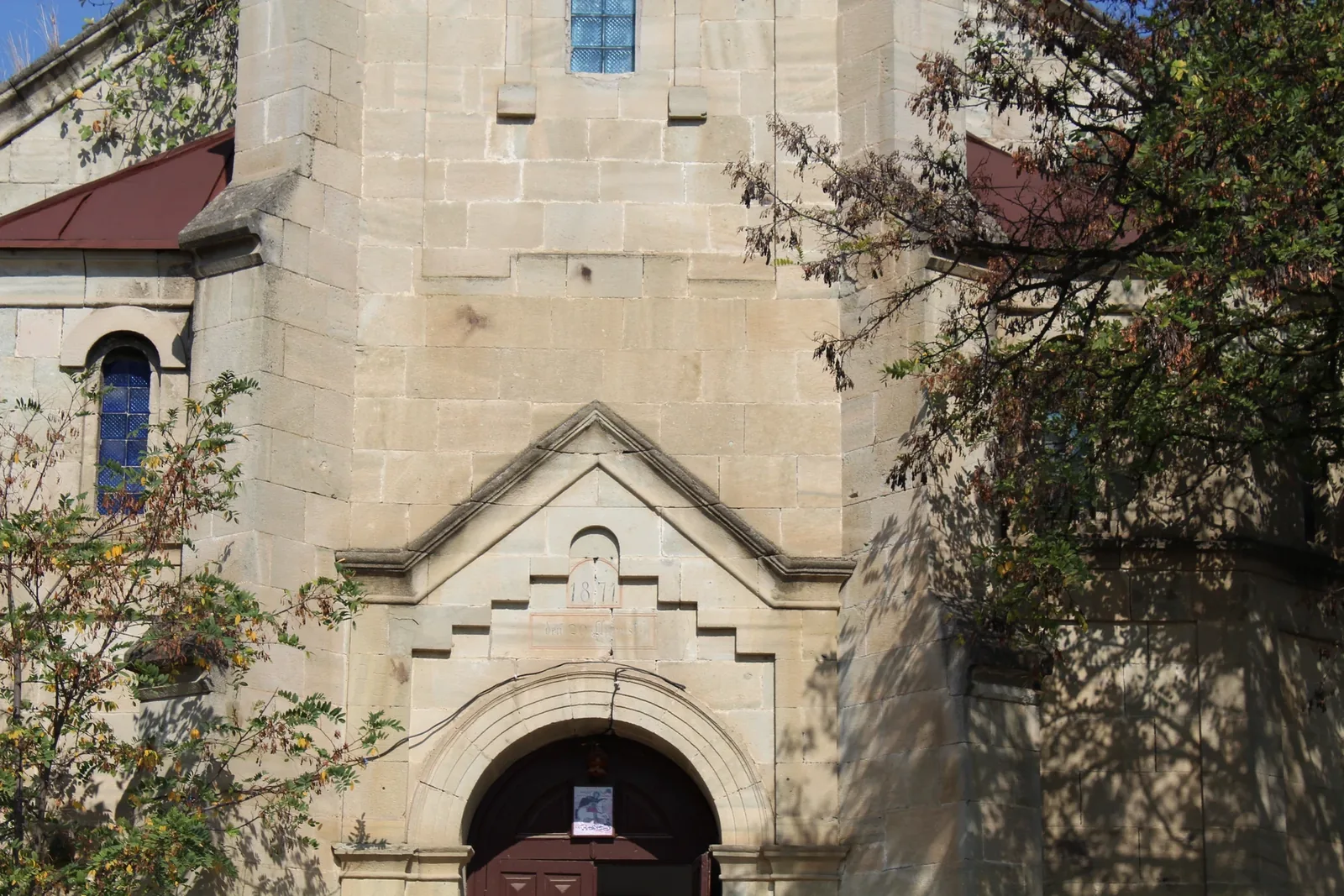
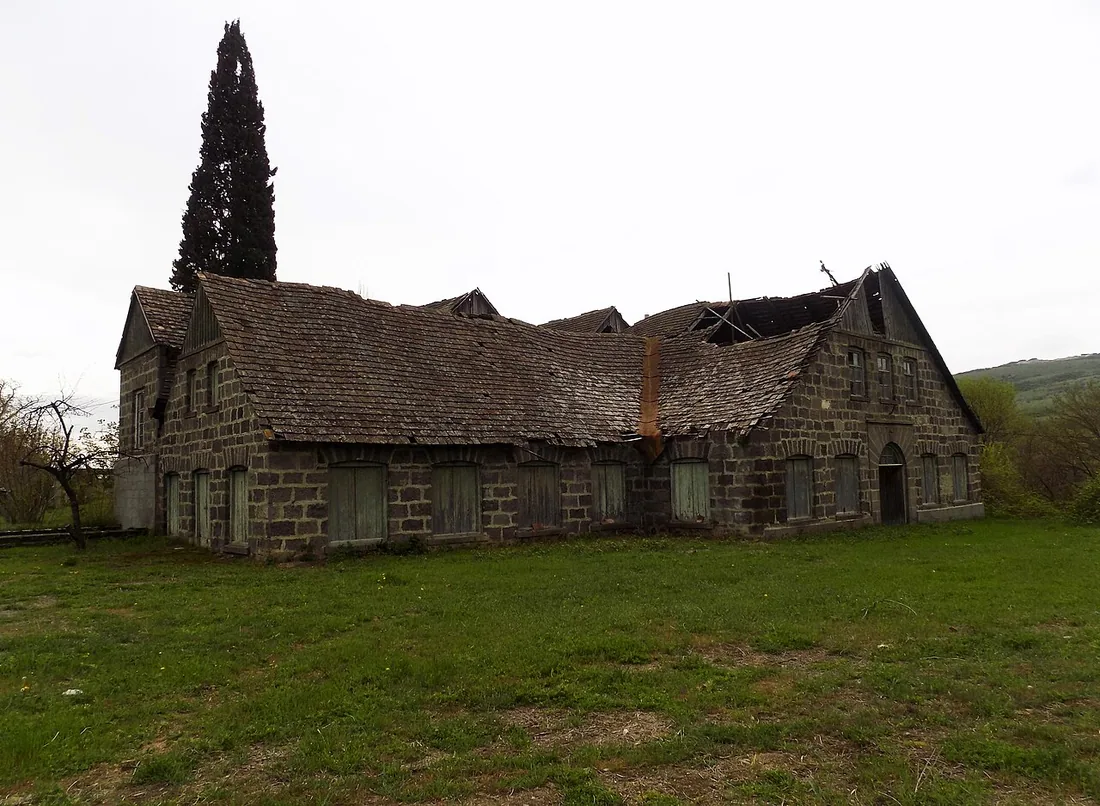
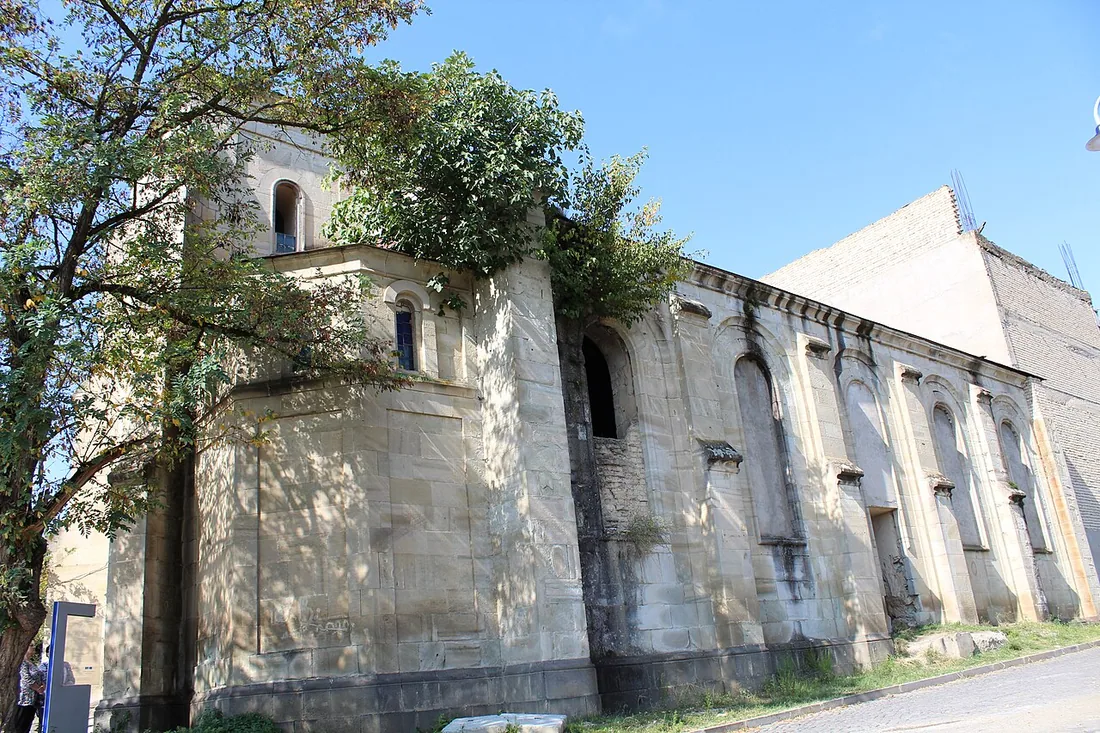
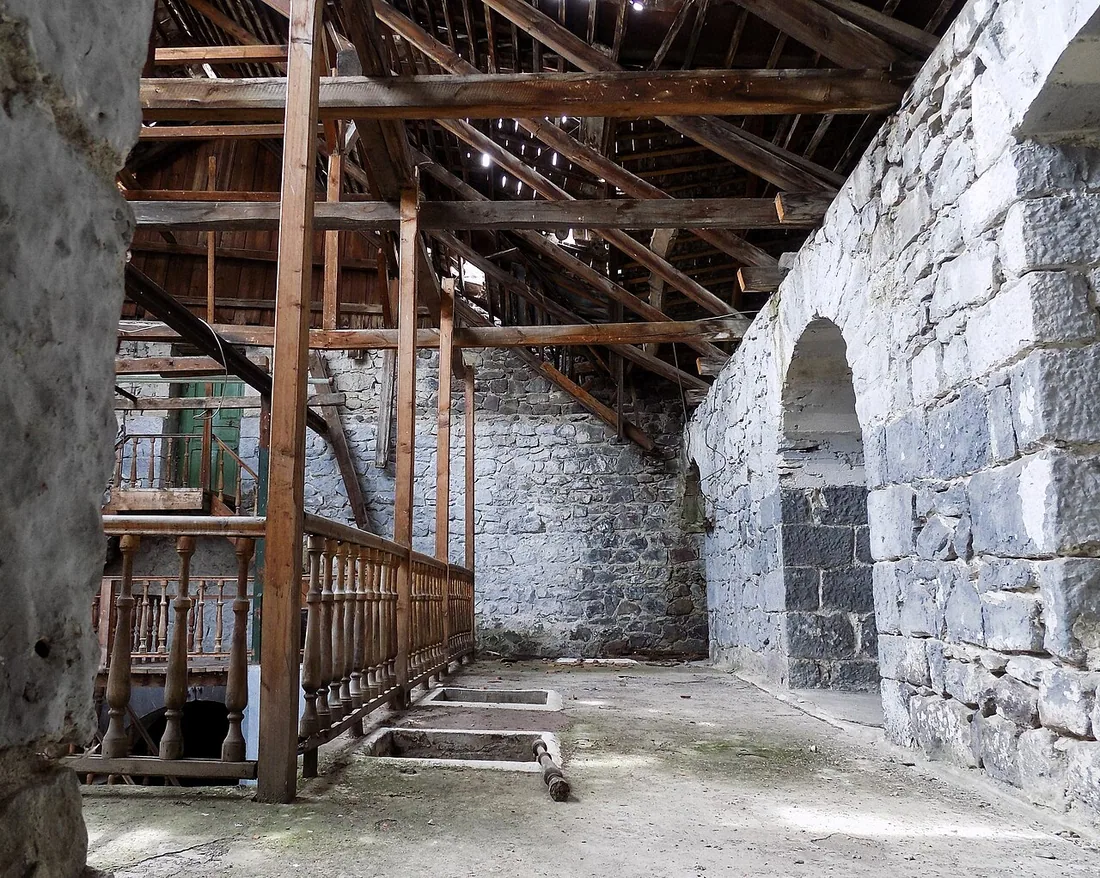
You can still see what he meant. Along the long, straight main street stand two-storey houses with tiled gables, wooden balconies and deep stone cellars built for wine, many with the year of building carved over the door. The Lutheran church of 1871, designed by Albert Salzmann, still stands; deconsecrated in 1930, it has been restored step by step since 2000, and beside it lies the colonists' cemetery. The street took its German name in 2017, two centuries after the founding; until then it had been Stalin Street.
Wine is the colony's other legacy. According to Georgian ampelographers, a colonist named Schal found a vine growing wild in the Asureti woods; it spread through Kvemo Kartli as "Schal's grape", and the academician Solomon Cholokashvili later named it Asuretuli Shavi. Some believe it is an old Georgian variety that ran wild after the village emptied. In the 1930s the local collective farm, Concordia, was known for its viticulture.
The end came in October 1941, when the Germans of Asureti were deported to Siberia and Kazakhstan and families from Ambrolauri and Oni were moved into their homes. Walk the street slowly: some houses are restored, others are crumbling, and between them you can read, house by house, how more than a century of German life ended in a single autumn.
Gallery
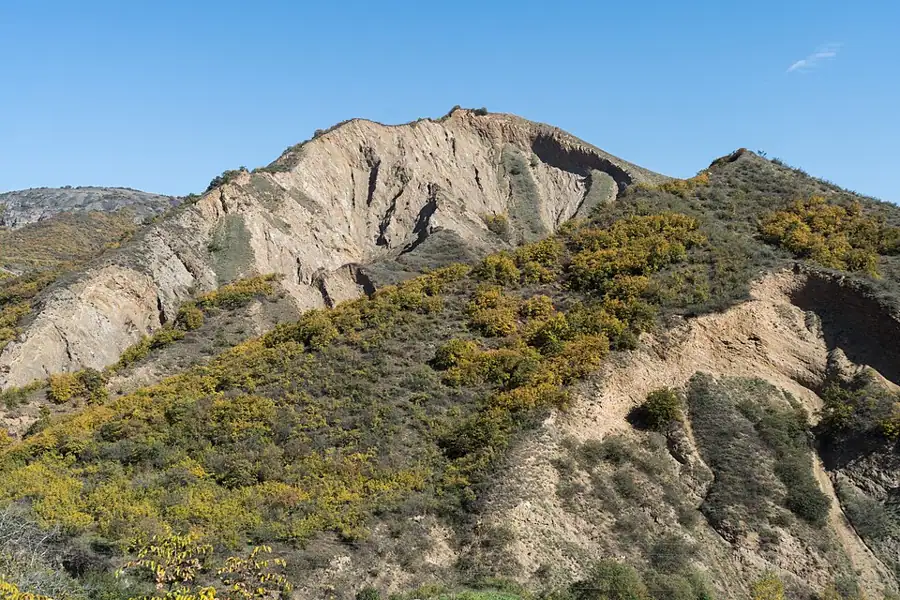
Practical advice
Two hours covers the main street, the church, the cemetery and, if you arrange it ahead, a wine cellar. The street is level and easy on older legs. Most houses are private homes: look from the gate and ask before stepping into a yard. The church is not always open. Food options in the village are thin, so eat in Tbilisi or bring a picnic. If you plan to taste wine, settle beforehand who is driving. Spring blossom and the October harvest are the best times to come.
How to get there from Tbilisi
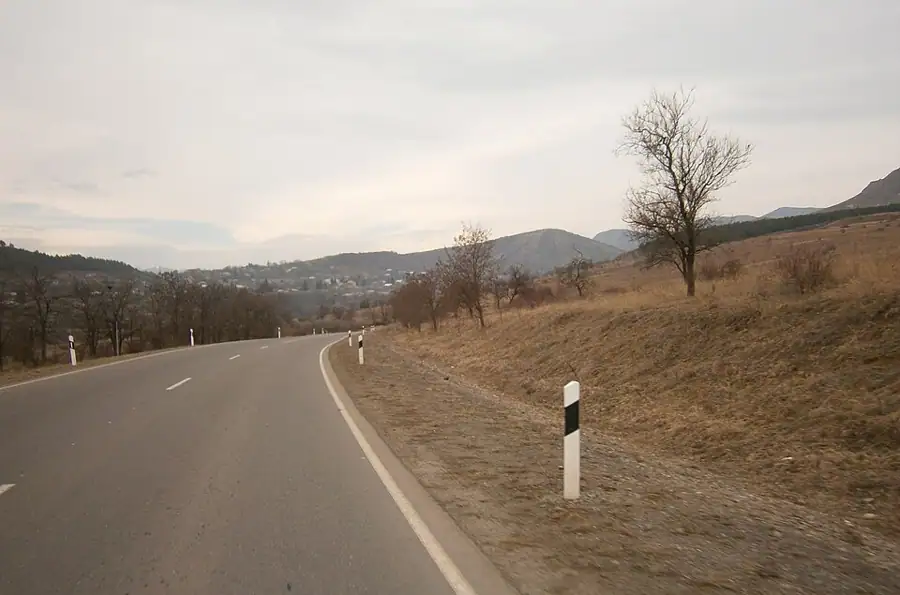
Leave Tbilisi south on the S6 towards Marneuli. After about 28 km turn west onto the Sh31, the Koda–Manglisi road, and drive through Koda; Asureti lies a little off the road some ten kilometres on, with a signed turn. It is about 38 km and 45 to 50 minutes, one of the easiest outings from the capital. The road is asphalt all the way, narrowing towards the village, and an economy car is all you need in any season. Refuel on the S6 or in Tbilisi. Park on the main street or by the church.
Click a marker for details. Coloured lines are ready-made road trips.
Nearby places
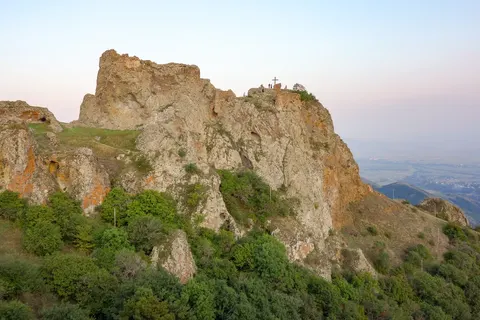
Kojori Fortress (Azeula)
The ruined walls of Agarani on Azeula crag above Kojori: a royal summer seat, where the chronicles say Queen Tamar died, and a battlefield of 1921.
Birtvisi
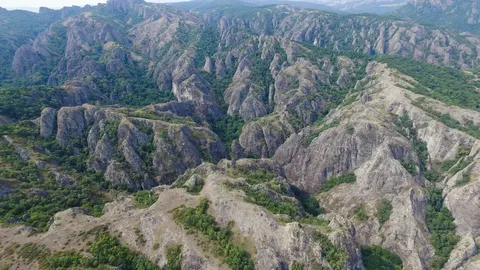
A maze of volcanic rock needles in the Algeti valley, walled into a fortress that Timur could take only by rope ladder at night.
Betania Monastery
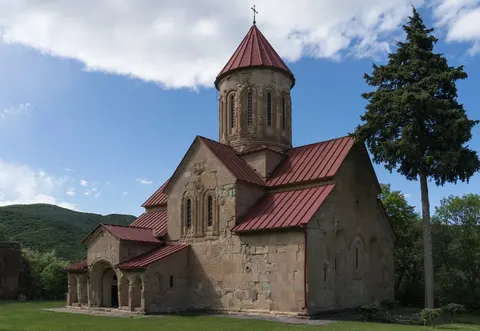
A Golden Age monastery deep in the wooded Vere gorge, where Queen Tamar looks out from a fresco painted in her own lifetime.
Part of these road trips
- Kvemo Kartli Archaeology Road 2 days · 285 km
Best car for this trip
Guides
- Driving in Georgia: What the Distances Actually Cost You Georgia is a small country with slow roads. Here is what 267 measured drives from Tbilisi say about how long y
Pickup locations
Car Rental in Tbilisi — 16 km (straight line)
Booking and enquiries
The easiest way to reach these places is by car — you pick the route and the stops.