Javakheti National Park
A protected network of volcanic plateau lakes and wetlands near Ninotsminda, and Georgia's best birdwatching ground.
- Time needed
- 4 h
- From Tbilisi
- 197 km · 3:35
- Road
- Mostly paved
- Car needed
- Crossover / SUV
- Season
- May–October
- Entry
- free
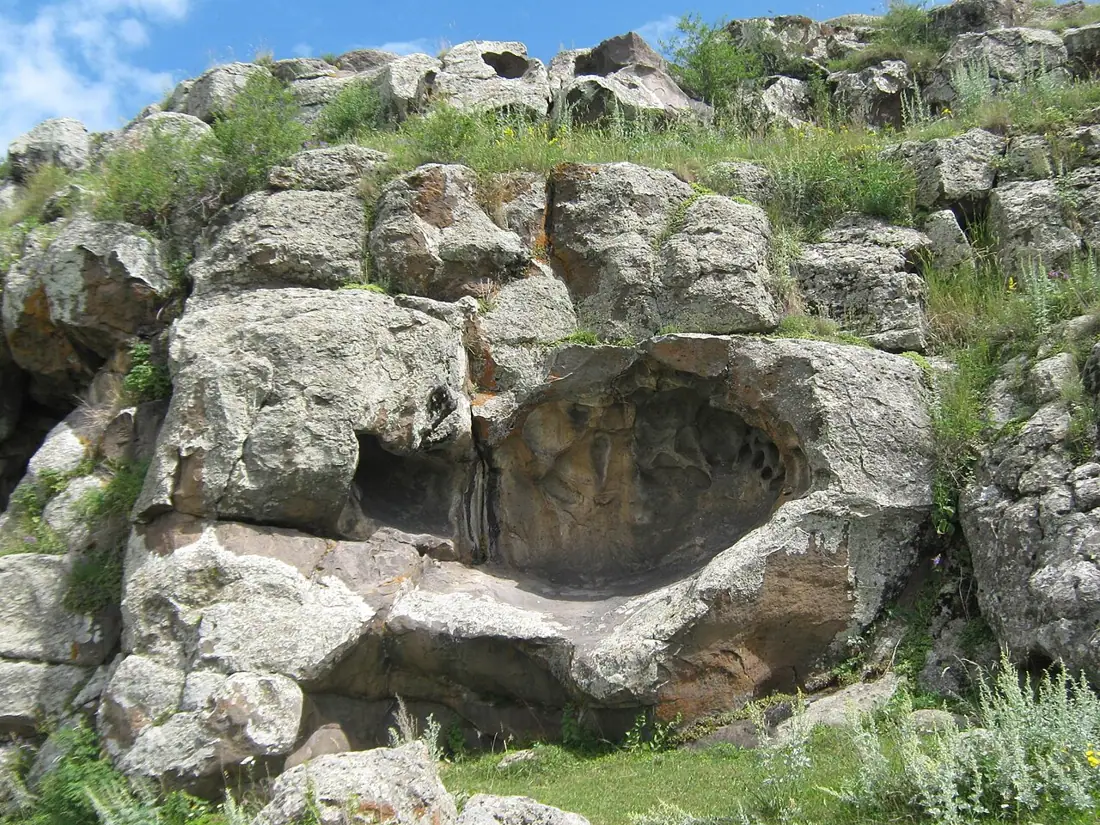
Javakheti National Park was created in 2011, and it is not a single block of land but a network of lakes and wetlands scattered across the plateau: Khanchali, Bugdasheni, Madatapa, Sulda and Kartsakhi. All of them sit near two thousand metres on open, treeless volcanic upland.
Birds are the point. Javakheti lies on the migration corridor running north from Africa and Asia, and in spring and autumn the lakes take in thousands of birds: cranes, geese, many species of duck, waders and herons. Dalmatian pelicans breed at Khanchali and Bugdasheni — a species that has become rare across Europe and that holds on in Georgia essentially here.
Khanchali has a story of its own. In the Soviet period the lake was drained for irrigation, and its level stayed unstable for years afterwards. Over the last decade work has gone into restoring the water regime, and the birds have returned. It is one of the less common cases where restoration is visibly working.
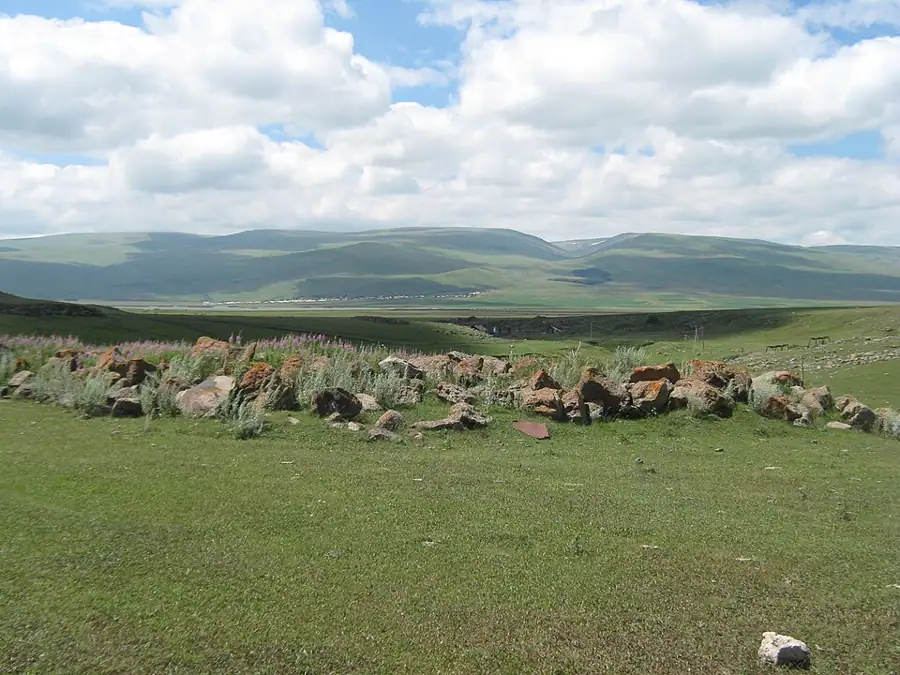
The landscape itself is worth attention. This is a young volcanic plateau, ringed by the cones of the Abuli and Samsari ranges, and the lakes sit in hollows dammed by old lava flows. In summer the surrounding grassland is summer pasture, dotted with shepherds' camps. One practical note: Lake Kartsakhi lies on the Turkish border and the border zone has access restrictions, so do not head there on your own.
Infrastructure is modest: a visitor centre in Ninotsminda, observation towers at Khanchali and Bugdasheni, a few short trails and a cycling route. Entry is free.
Winter deserves plain speech. From November to April the lakes are frozen, the birds are gone, night temperatures drop towards minus thirty, and this is one of the coldest inhabited corners of Georgia. The wind never stops, it drifts snow across the roads, and secondary roads are frequently blocked. Even in summer there is effectively no shade and no shelter anywhere on the plateau.
Gallery
Practical advice
For birds the best times are April to May and September to October, in the first and last hours of daylight. Binoculars are essential, since the towers stand well back from the water. Carry a windproof jacket even in July; at 1,930 metres the evenings are cold. Call at the visitor centre in Ninotsminda on the way in and ask which lake currently holds birds. Bring food and water, as there is nothing at the lakes themselves. The shores are boggy, so waterproof footwear helps.
How to get there from Tbilisi
From Tbilisi drive via Tsalka and along Lake Paravani to Ninotsminda, roughly 195 km and about three and a half hours. The road is mostly asphalt, but quality varies once you are on the plateau and average speed is low. Khanchali lies a few kilometres north-west of Ninotsminda; Bugdasheni and Madatapa are reached by separate gravel turnings. Fill up in Tsalka and Ninotsminda. A vehicle with real ground clearance is genuinely useful here.
Click a marker for details. Coloured lines are ready-made road trips.
Nearby places
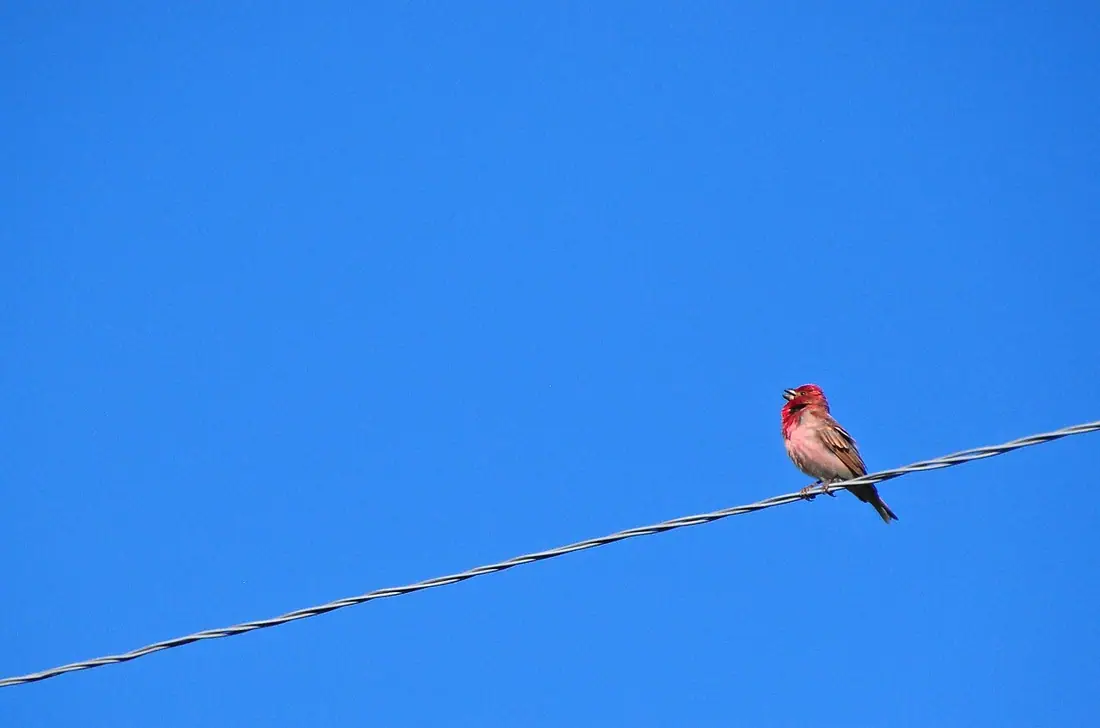 Lake
LakeLake Paravani and Lake Tabatskuri
High-altitude lakes on the volcanic Javakheti plateau at around 2,000 metres, on a major bird migration route.
Poka Nunnery of St Nino
A nunnery on the shore of Lake Paravani at two thousand metres, known for its enamel and cheese workshops.
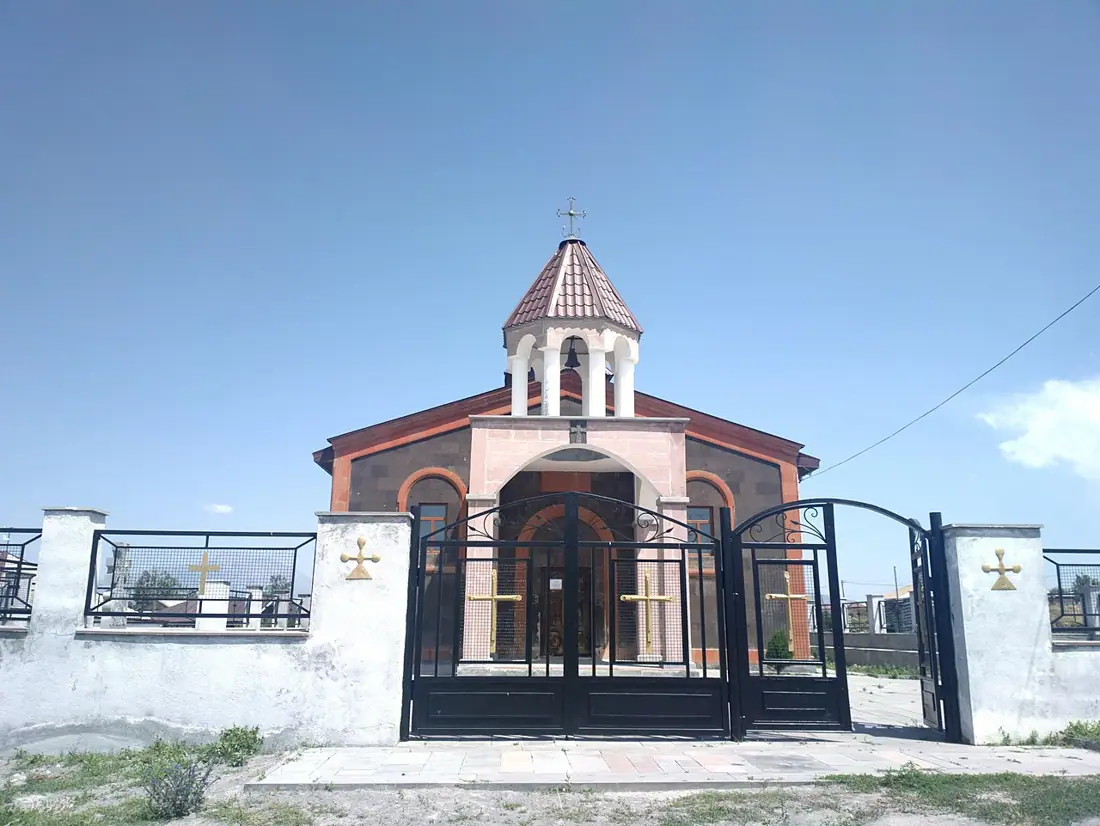 Monastery
Kumurdo Cathedral
A cathedral precisely dated to 964, standing on the Javakheti plateau near Akhalkalaki on a rare six-apse plan.
 Lake
LakeTsalka Reservoir
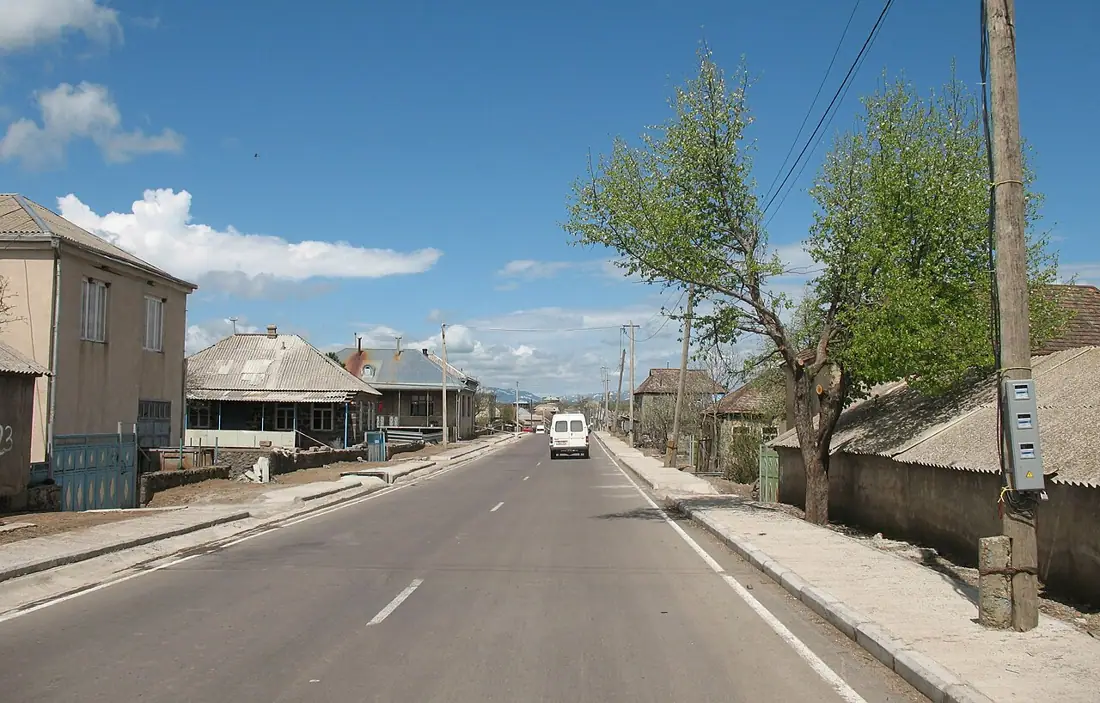
A large artificial lake on the Trialeti plateau at 1,500 metres, in treeless country among half-empty villages.
Booking and enquiries
This site is informational — there is no online payment. Call or email us to book.