
Zoti
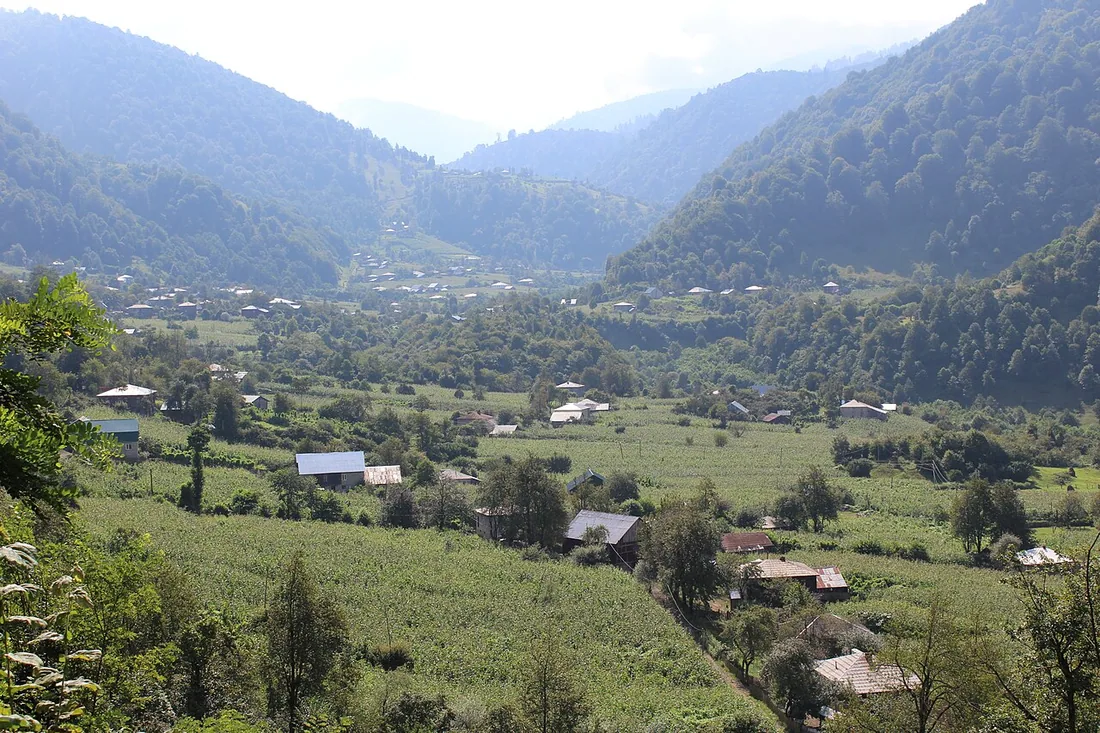
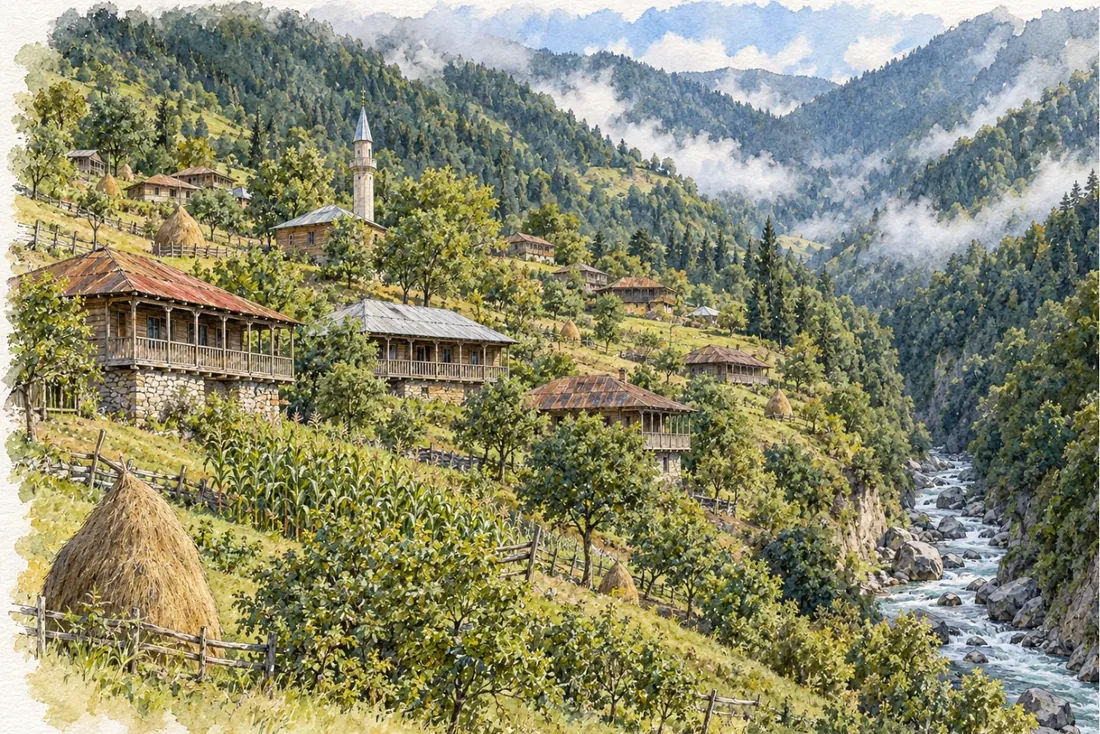
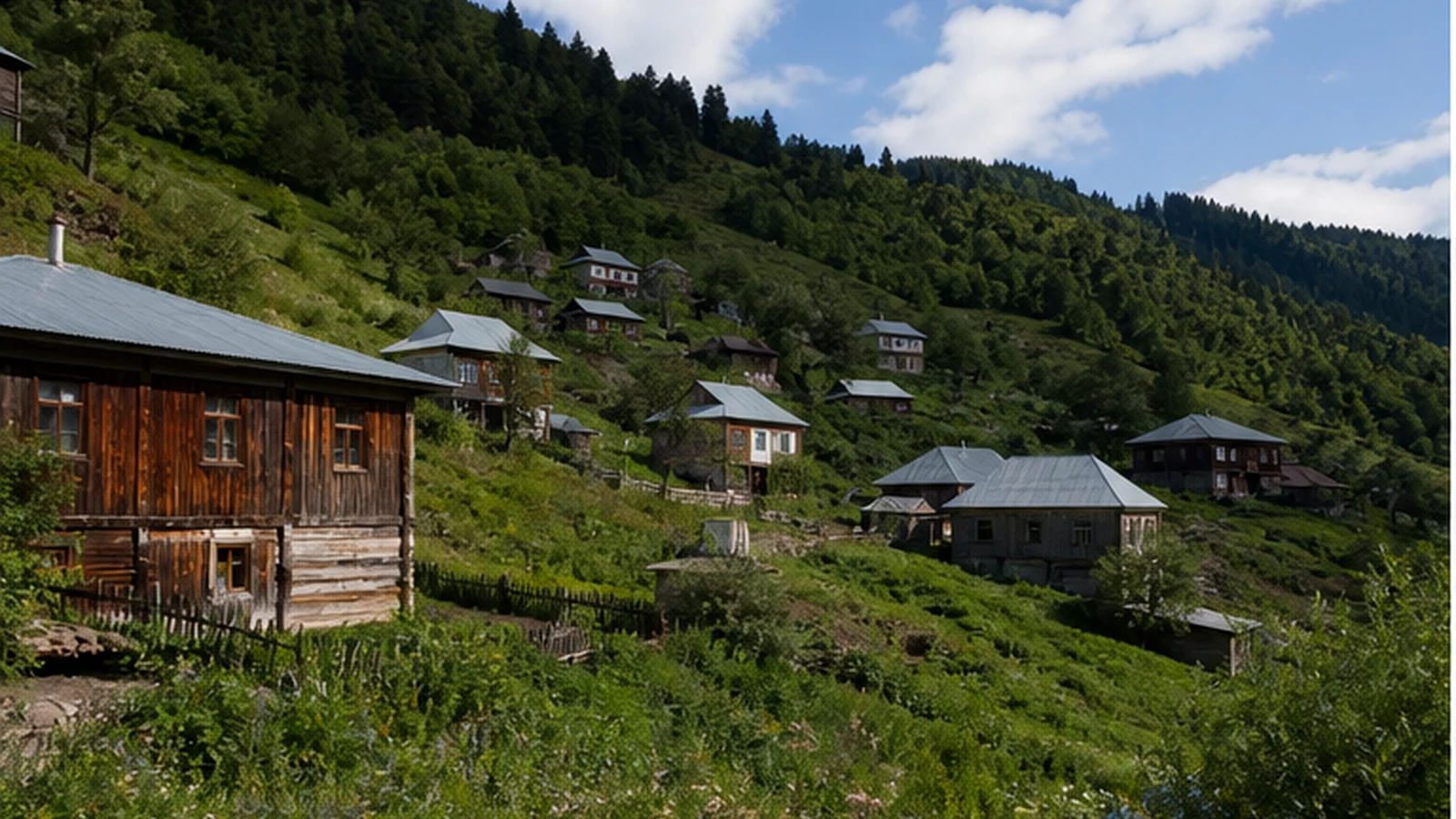
A Gurian mountain village of Adjarian settlers on the Bakhmaro road, with a painted wooden mosque of 1904 that few drivers ever step into.
- Time needed
- 2 h
- From Tbilisi
- 308 km · 5:15
- Road
- Unpaved sections
- Car needed
- Crossover / SUV
- Season
- May–October
- Entry
- free
In Zoti's wooden mosque, bunches of orange and red flowers bloom on a sky-blue wall, and almost everyone driving up to Bakhmaro passes them by.
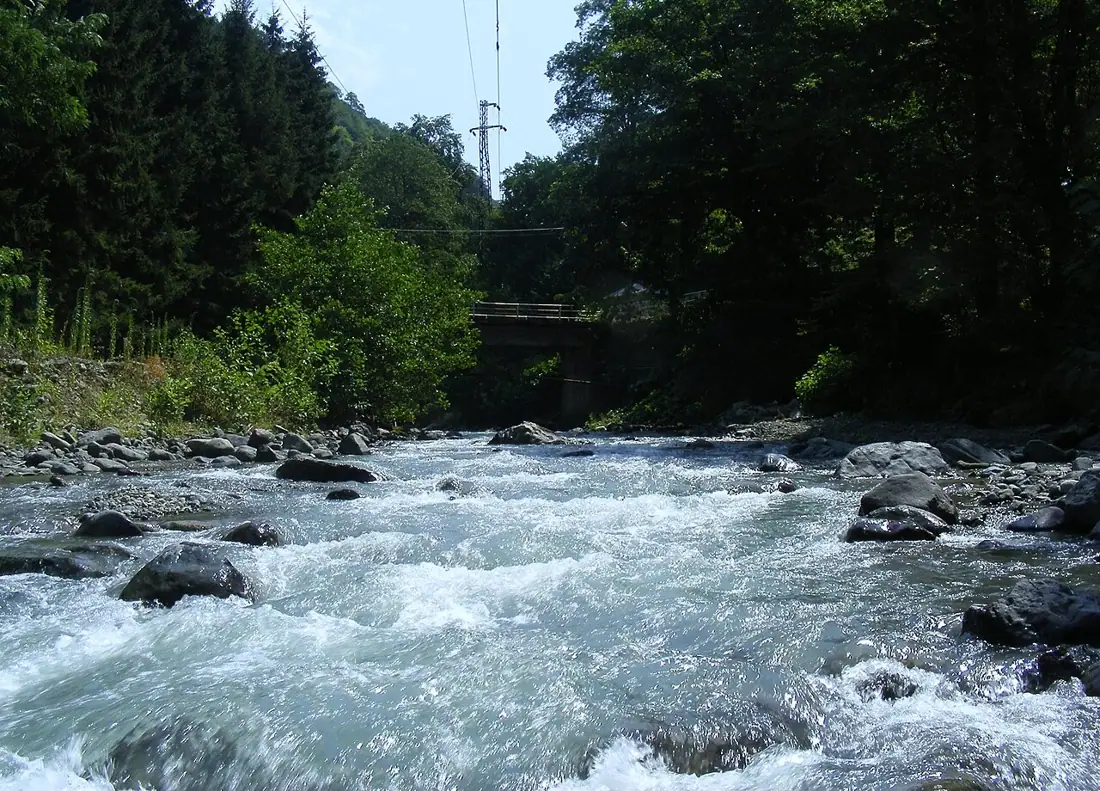
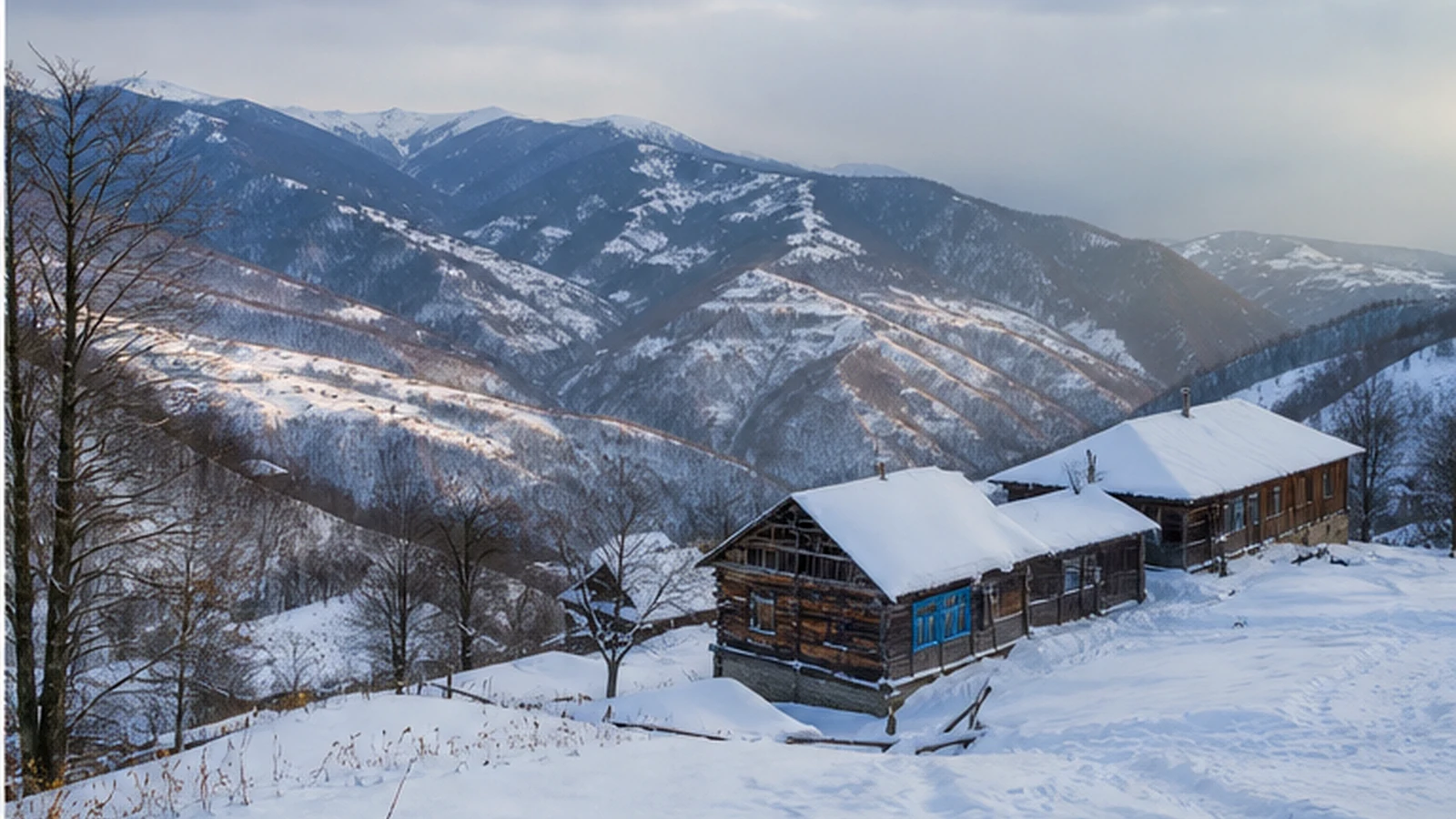
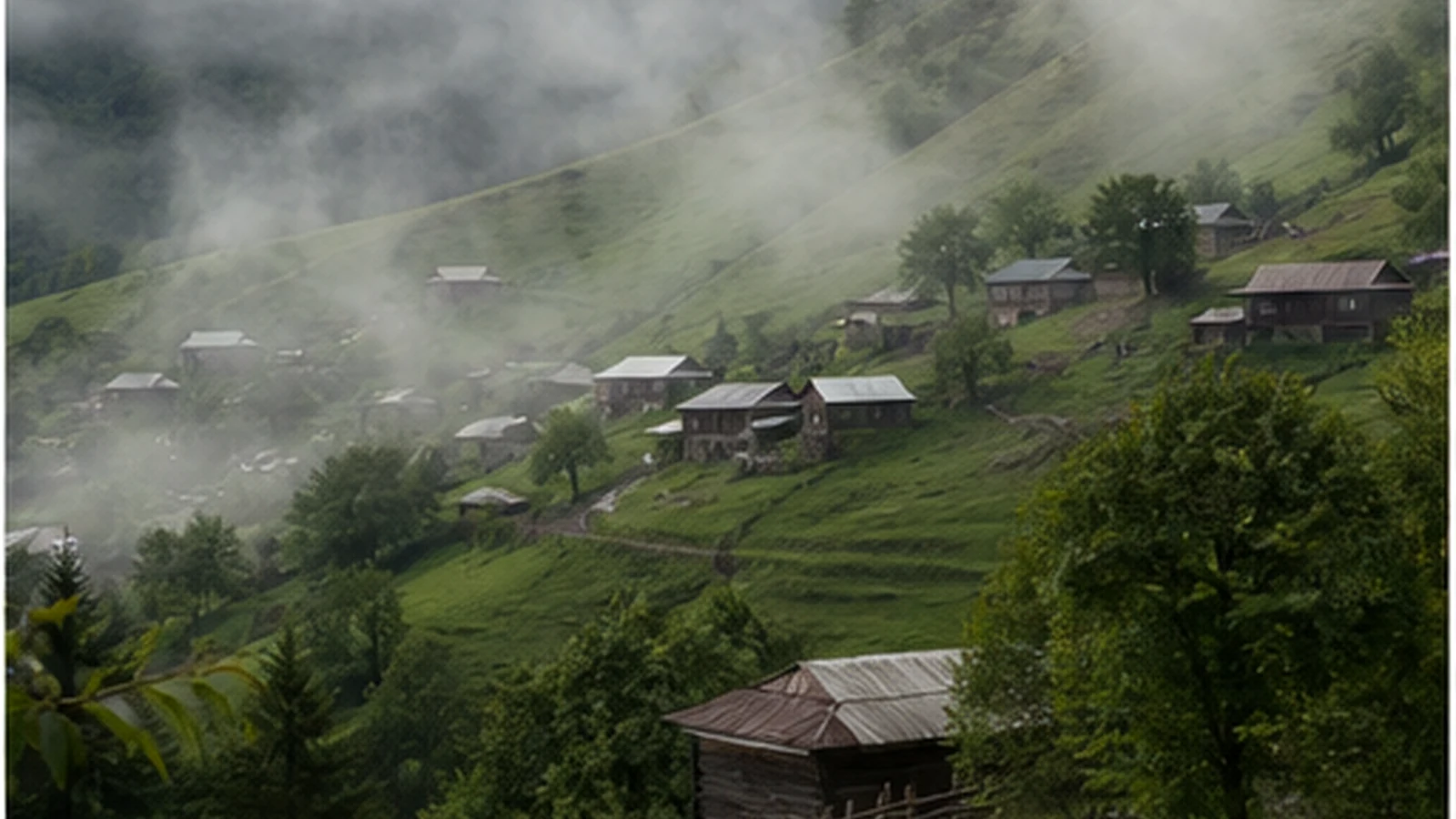
The village climbs the right bank of the Gubazeuli on the northern flank of the Meskheti Range, some twenty-five kilometres up the valley from Chokhatauri. Winter here lasts about six months. Most of its people are Adjarians, descendants of families who came over from the Ghorjomi community of Upper Adjara during the Russo-Turkish War of 1877–78. By 1969 Zoti counted some three hundred households.
The mosque went up in 1904: a two-storey timber building crowned by a domed minaret, lit by two tiers of windows. Inside, a wooden gallery runs along three walls, the mihrab is set in the south wall and a minbar stands in one corner. The carving and the frieze are picked out in green, turquoise and red. The walls carry plant scrolls and bouquets in orange, red, green and black on that pale blue ground. Tradition gives the painting to a master remembered as Chan Omer.
Worth a slower look:
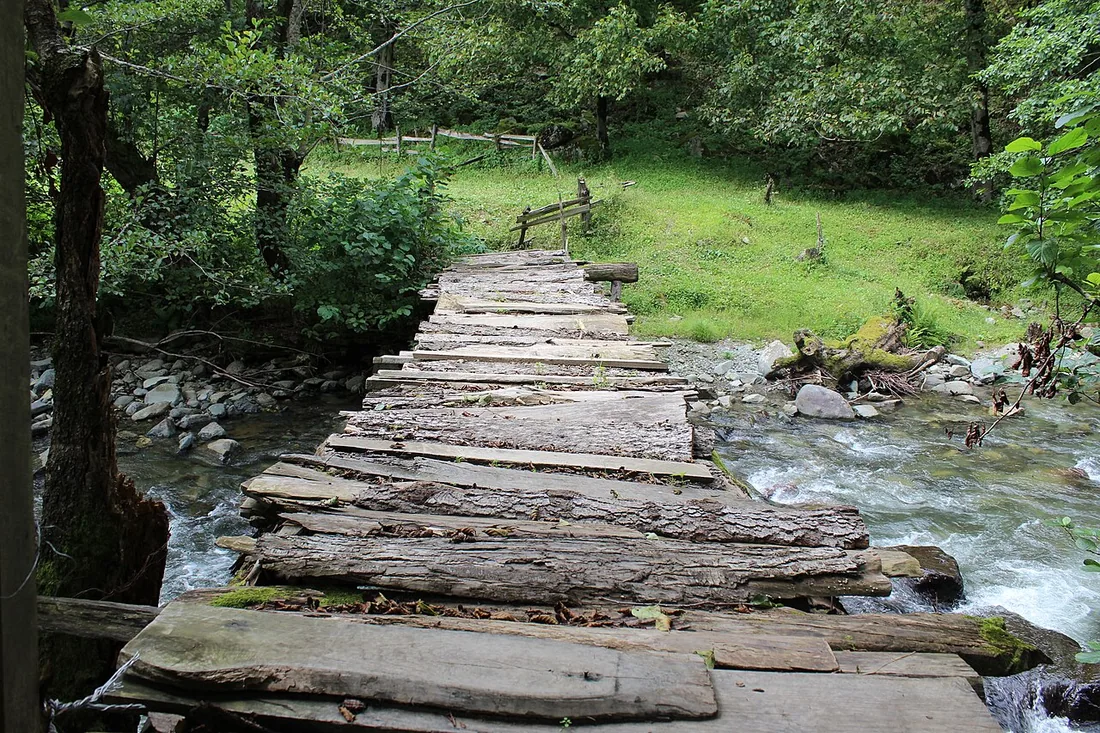
- the log bridge over the Gubazeuli
- the remains of the medieval Ghoma fortress at a spot called Saqdris Qeli, where fragments of the east and west walls survive
- Sanislia, a small spa with thermal mineral water, about fifteen kilometres away
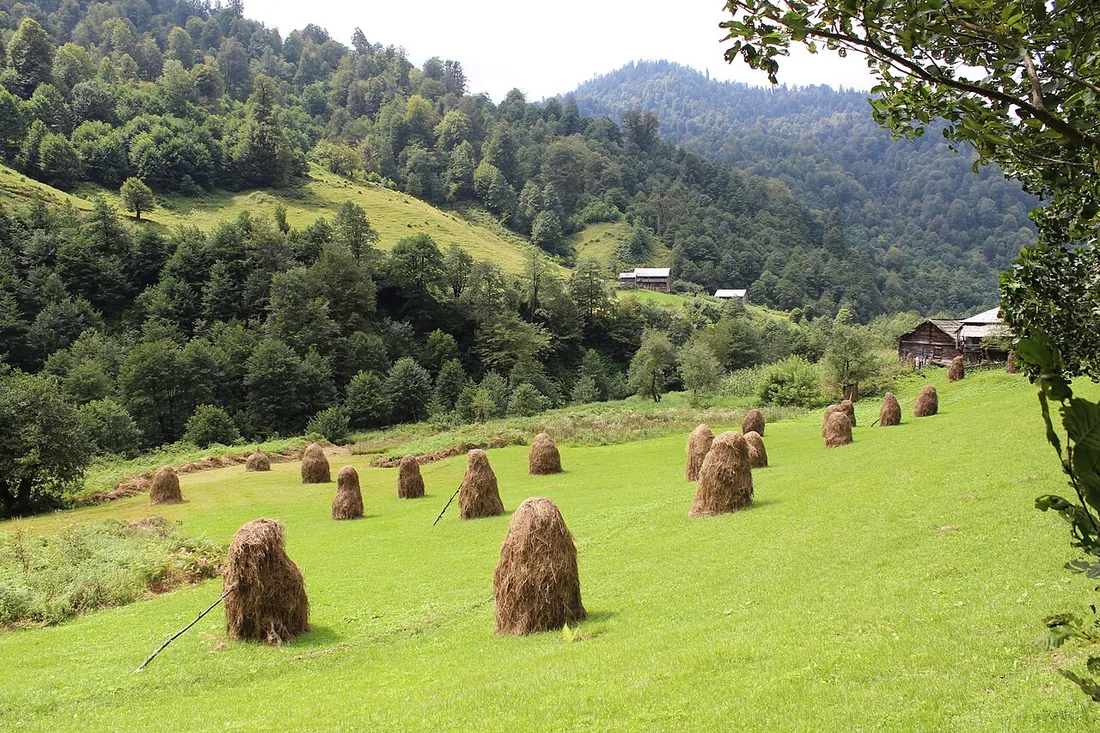
Close to the village rises Mount Kidobana, 2,200–2,400 metres high, where Zoti's families still take their herds for the summer.
To most drivers Zoti is the last stop before the long climb to Bakhmaro. Step into the mosque first, and the road turns into a story about people who crossed the mountains a century and a half ago and stayed.
Gallery
Practical advice
The mosque is a house of prayer, not a museum. Ask a neighbour who keeps the key, take off your shoes, cover arms and legs (women also their hair) and avoid prayer times. Photograph the painting only with permission. The shops in Zoti are small, so buy food and fuel in Chokhatauri. May to October is the window: winter here lasts about six months, and the road on to Bakhmaro is realistically a summer road. The Ghoma fortress ruins are hard to find alone, so ask locals for Saqdris Qeli.
How to get there from Tbilisi
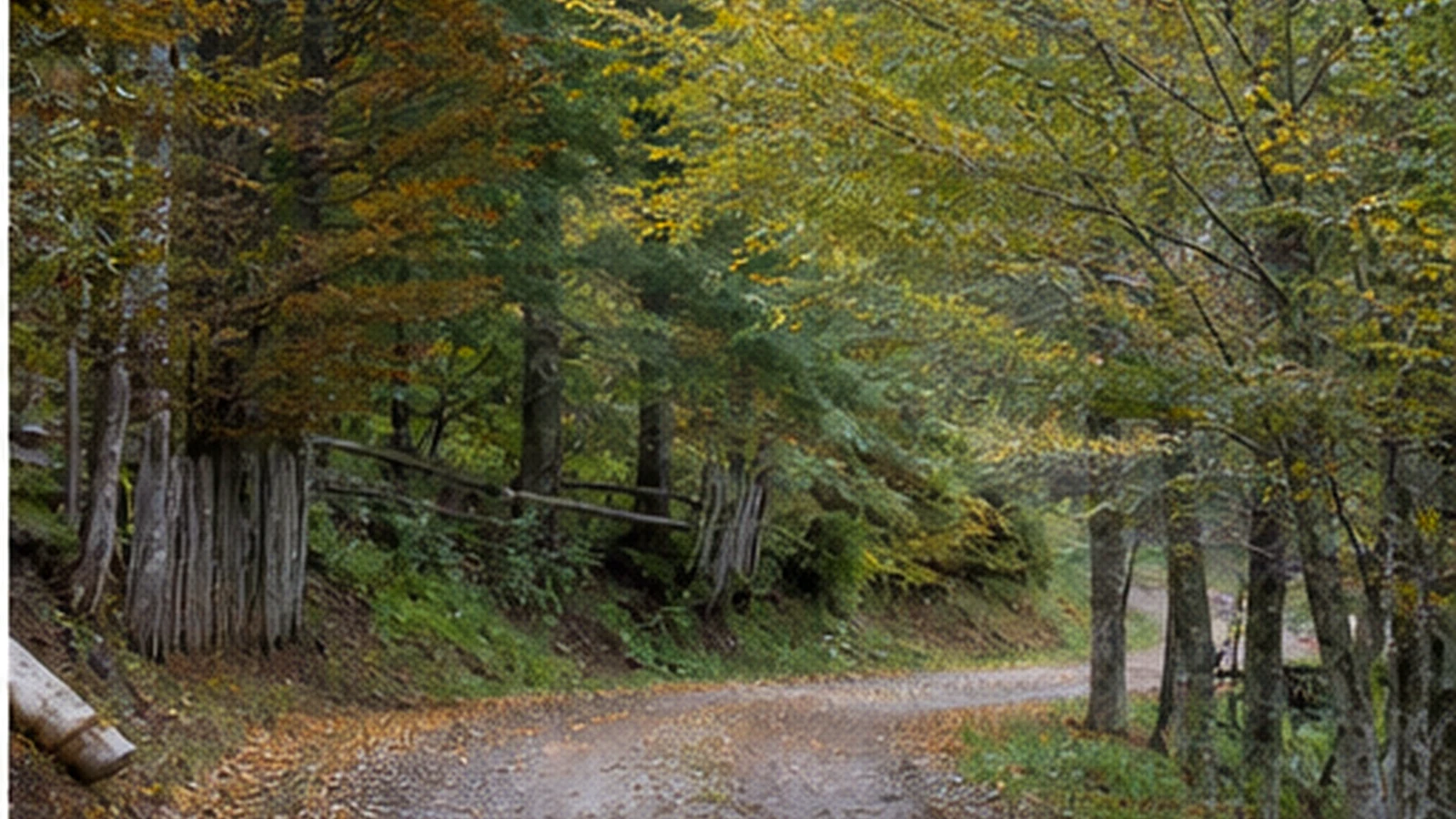
From Tbilisi take the S1 (E60) west past Kutaisi to Samtredia, then the S12 towards Lanchkhuti and the Sh2 to Chokhatauri, about 275 km of asphalt. In Chokhatauri turn onto the Sh81, the Bakhmaro road, and follow the Gubazeuli upstream for roughly 20–25 km to Zoti. Door to door that is about 300 km; allow five to six hours with stops. The valley road is narrow, and its surface changes with the seasons and the latest roadworks: patched asphalt, gravel and potholes after rain. Chokhatauri has the last reliable fuel. An SUV's ground clearance is worth having, and if you continue to Bakhmaro, take a 4×4.
Click a marker for details. Coloured lines are ready-made road trips.
Nearby places
Bakhmaro
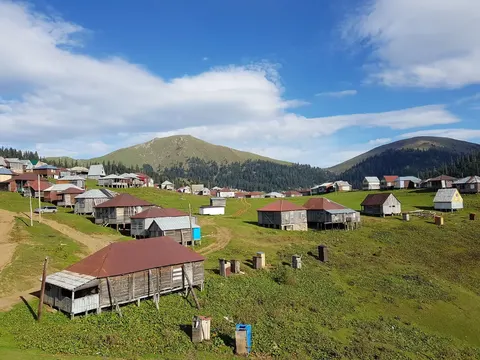
A summer-only resort of stilted timber cottages at about 1,950 m in the Guria mountains, where a sea breeze climbs the valley to meet the spruce.
Nabeghlavi
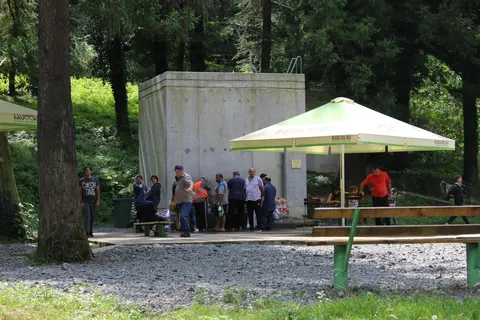
The Gurian valley village behind Georgia's market-leading mineral water: a spring found in 1905, tradition says, by buffalo who knew better.
Chokhatauri
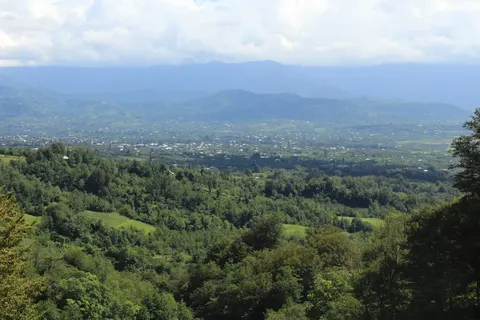
A small Gurian town where the plain meets the mountains: the last fuel before Bakhmaro, and a past of garrisons, revolts and tea.
Best car for this trip
Unpaved sections
Guides
- Do You Need a 4x4 in Georgia? We rate the road surface and the minimum car class for all 267 places in our database. 227 of them need nothin
- Winter Driving in Georgia: What Closes, What Opens, Which Car Of the 267 places we map, 161 are in season in winter and 52 are flagged as not reachable year-round. The pass
Pickup locations
Car Rental at Kutaisi Airport — 32 km (straight line)