Vani Archaeological Museum
The remains of a Colchian city on a hill, and a museum holding gold made between the 4th and 1st centuries BC.
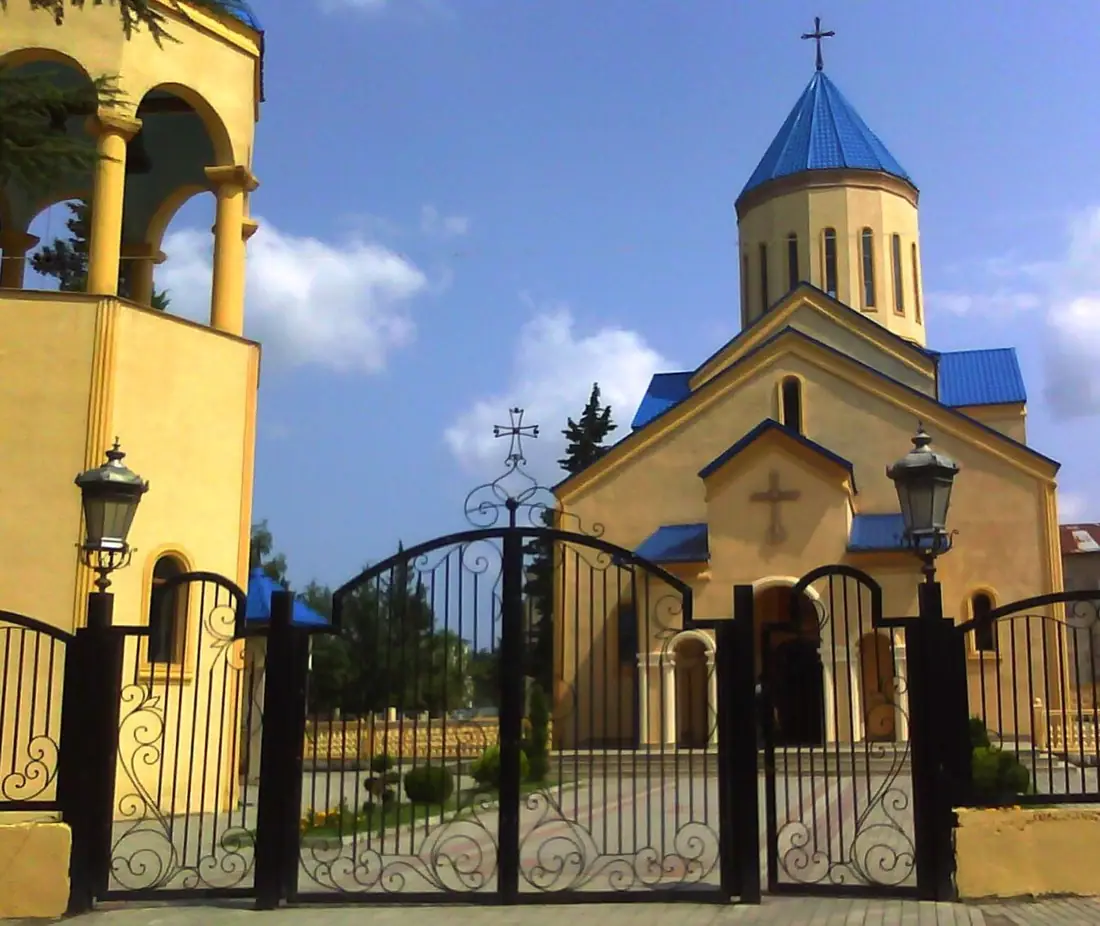
- Time needed
- 2 h
- From Tbilisi
- 255 km · 3:45
- Road
- Paved
- Car needed
- Economy class
- Season
- All year
- Entry
- ~7 ₾
Vani is where Colchis stops being a legend and becomes archaeology. The hill above the small town of Vani has been dug for over a century, and the site today is both a museum-reserve and a working excavation.
Settlement began in the 8th century BC and passed through four phases: first a small village of log houses; then, from the 6th to the 4th century BC, a wealthy elite centre; then a rebuilt town in new architectural forms; and finally, between roughly 250 and 47 BC, a fortified city-sanctuary with walls, towers and altars. In the middle of the 1st century BC it was stormed and burned. Scholars argue between Pompey, Pharnaces II and Mithridates of Pergamon.
Systematic excavation began in 1966 under Otar Lordkipanidze and continued after 2002 under Darejan Kacharava. Among the finds:
-
local goldwork — diadems, temple pendants and necklaces in fine granulation
-
imported Greek pottery and terracotta figurines
-
fragments of bronze statuary, including torsos
-
a 4th-century BC signet ring cut with a Greek name
It is that combination — local craftsmanship and Greek goods in the same grave — that makes Vani the main source for how Colchis dealt with the Mediterranean world.
The museum building stands at the foot of the hill; the ancient town is above it on terraces, with stretches of wall, a gateway and altar foundations. Together they need about two hours. Note that some of the best Vani material is in the National Museum in Tbilisi rather than here.
The question of the Golden Fleece comes up here constantly. Vani is not Aia, the city of Aeetes in the myth, and no archaeologist claims that it is. What the gold from these graves does show is exactly the kind of wealth that produced the Greek stories about Colchian gold in the first place. Walking the terraces with that in mind is considerably more rewarding than looking for a literal fleece.
Gallery
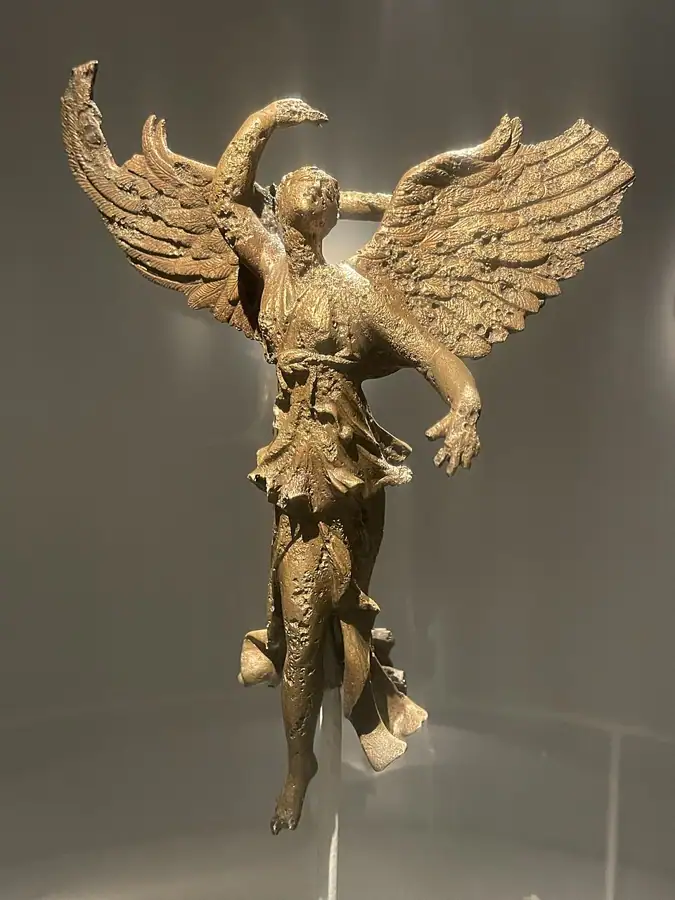
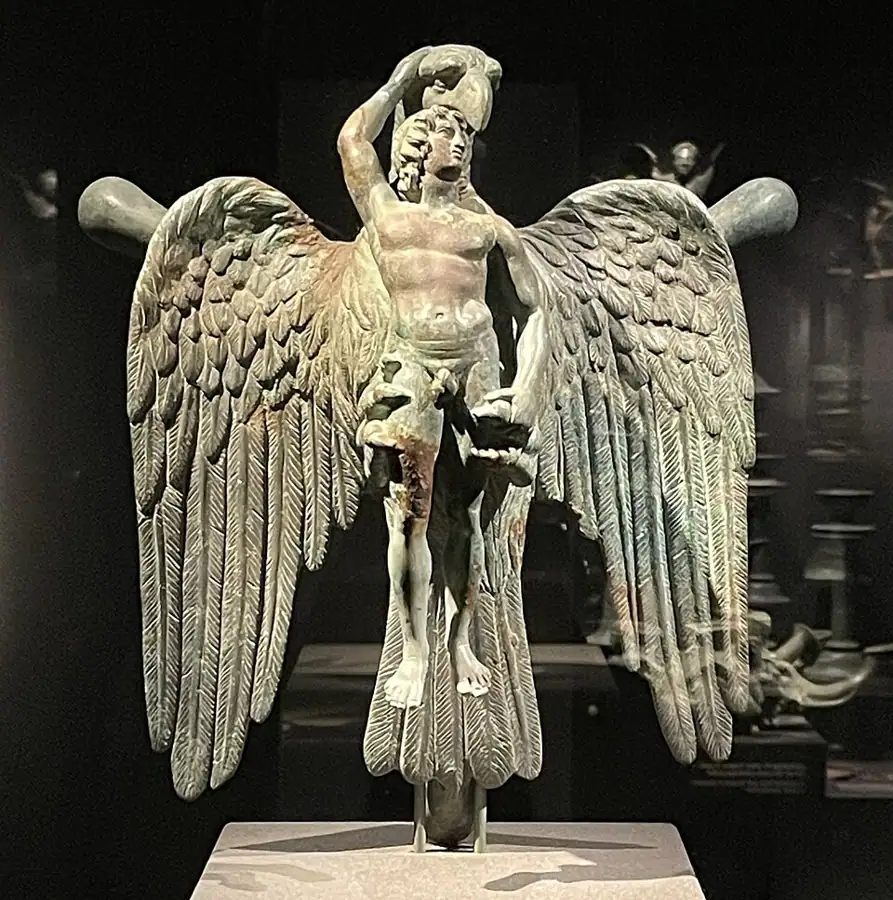
Practical advice
Two hours: one in the museum, one on the hill. The path up to the site is steep with steps and is not wheelchair accessible; there is very little shade at the top. In summer go early or late in the day. After rain the clay turns slippery. Labels are in Georgian and English, and a guide can be arranged in advance. There is a cafe and toilets at the museum, and shops in the town centre five minutes away.
How to get there from Tbilisi
Take the E60 west from Tbilisi past Zestaponi and Kutaisi, then follow signs towards Samtredia and turn south for Vani — about 255 km in all, three hours forty-five. The whole route is asphalt and in good condition; the last twenty kilometres are a narrow regional road through villages where livestock often wanders onto the carriageway. Refuel in Zestaponi or Kutaisi. There is free parking in front of the museum. An economy car is sufficient.
Click a marker for details. Coloured lines are ready-made road trips.
Nearby places
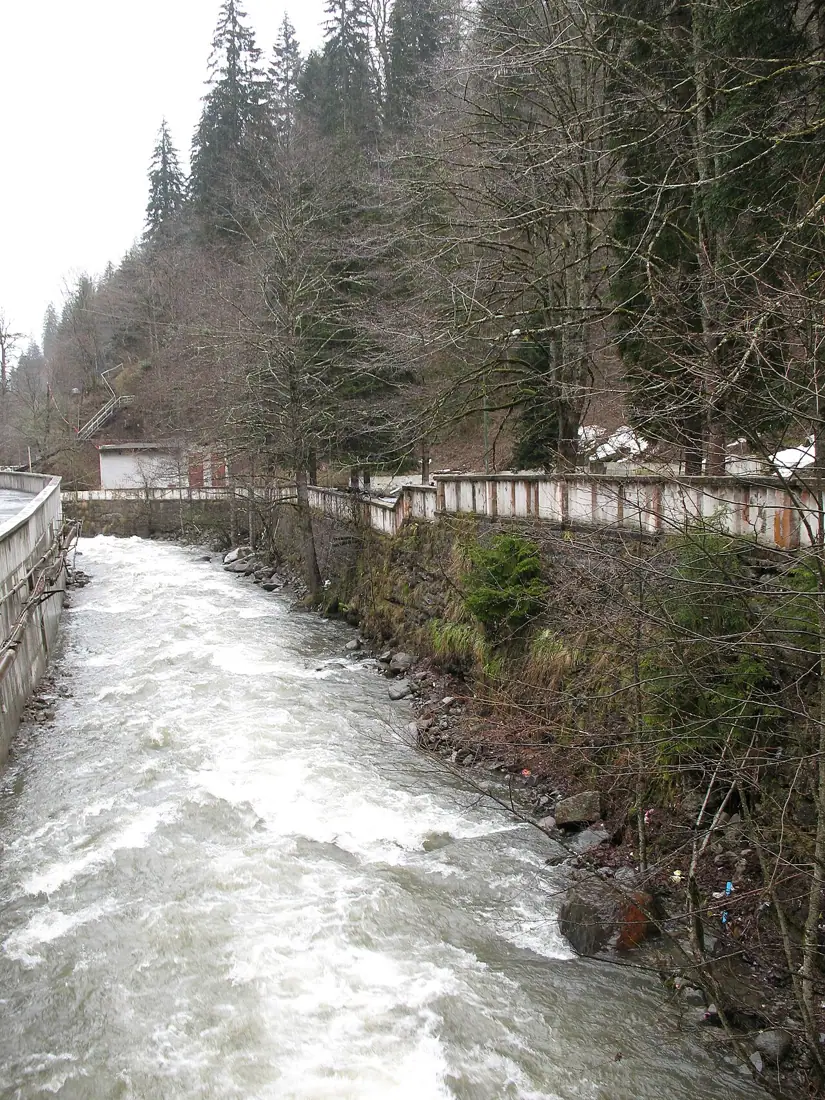 Spa resort
Sairme Resort
A mineral water resort in a wooded gorge near Baghdati, at around 950 metres.
 Nature
Ajameti Managed Reserve
A relict oak and zelkova forest between Baghdati and Zestaponi, protected since 1935.
 Town
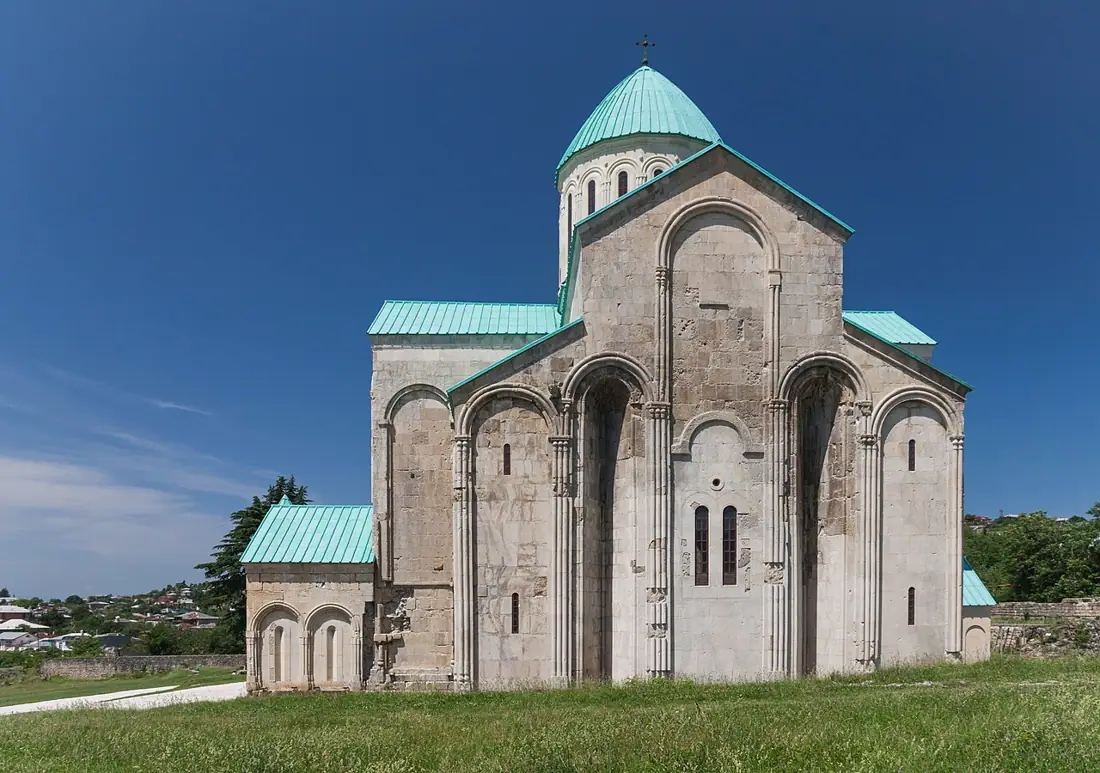
TownBagrati Cathedral and central Kutaisi
The cathedral on Ukimerioni hill and the old streets of Kutaisi spread out below it.