Tskaltubo
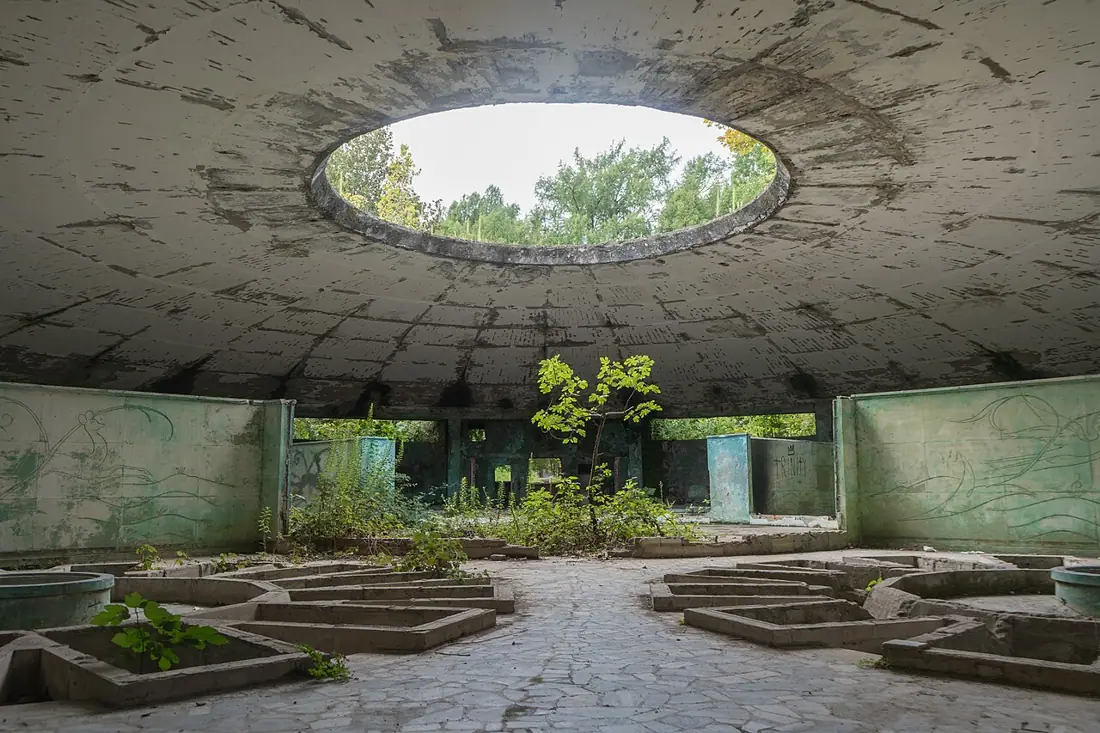
A model Soviet spa town with working bathhouses and two dozen abandoned sanatoriums standing open in the trees.
- Time needed
- 3 h
- From Tbilisi
- 245 km · 3:35
- Road
- Paved
- Car needed
- Economy class
- Season
- All year
- Entry
- free
Tskaltubo was designed as a showpiece of Soviet balneology, and it is now one of the strangest towns in Georgia. Radon-carbonate water rises here at 33–35 °C, warm enough to use without heating, and by the 1950s the whole settlement had been laid out around it: a circular central park holding the bathhouses, and a ring of sanatoriums spreading outwards along wide avenues.
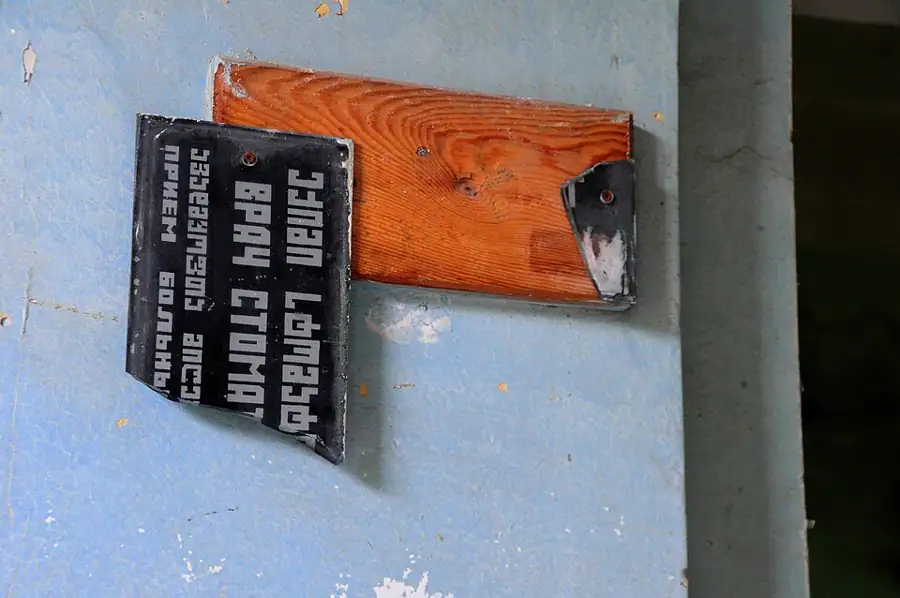
At its peak the resort handled around 125,000 patients a year, many arriving on direct trains from Moscow. Some twenty sanatoriums went up between the 1930s and the 1980s, each belonging to a different ministry or trade union — Metallurgist, Miner, Geologist, Railwayman, Iveria, Sakartvelo. Several were built by German prisoners of war after 1945. Bathhouse No. 9 still has a frieze of Stalin and the private pool he used.
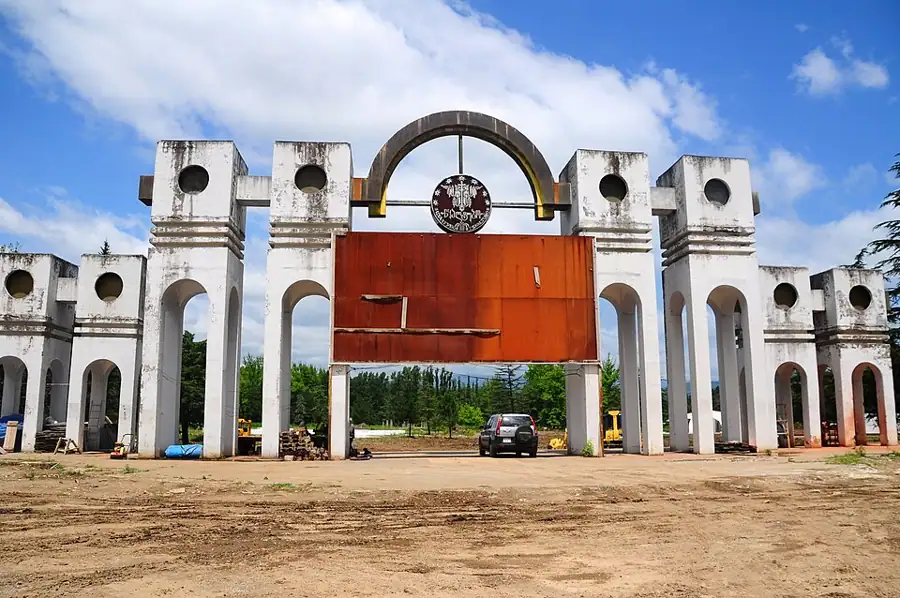
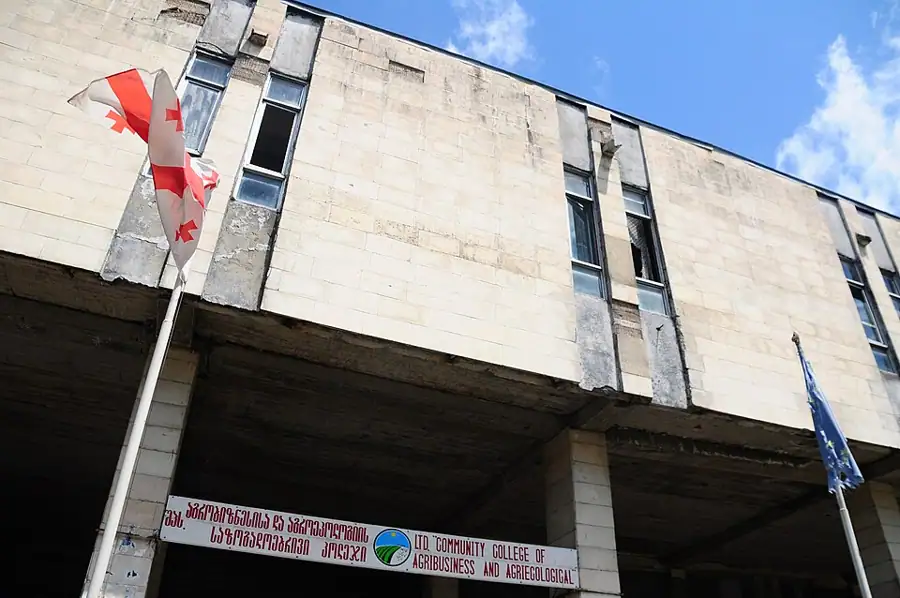
The Soviet collapse ended all of it. From 1993 the empty sanatoriums were filled with families displaced from Abkhazia, and for thirty years people lived inside the colonnaded halls, hanging washing between marble columns. Most have now been rehoused and the buildings are being sold to investors: a few are under renovation, one or two work again as hotels, and the rest stand open, roofless and slowly filling with trees.
What you do here is walk. The central park is well kept and free, with springs, cafes and the working bathhouses. Beyond it the ruins are unguarded and photogenic — Medea's rotunda, the grand staircase of Iveria, the peeling ballroom of Shakhtiori.
Two warnings. This is not a museum: floors are missing, there is no lighting, and a handful of blocks are still lived in, so ask before walking in. And the town changes quickly — a sanatorium open one season can be behind a construction fence the next.
Gallery
Practical advice
Allow half a day. Bring solid shoes and a torch: interiors are dark, handrails have gone and floors are collapsed in places. Do not go up to the top storeys alone. Caretakers sometimes ask a token sum to let you in, which is informal. Treatments in the bathhouses need booking and a medical note, but looking around the park costs nothing. Cafes, an ATM and toilets are all near the park. Summer is humid with mosquitoes; winter is mild but wet.
How to get there from Tbilisi
Take the E60 west from Tbilisi through Gori and Khashuri, over the rebuilt Rikoti section with its tunnels, then past Zestaponi to Kutaisi — about 245 km and three and a half hours. From the northern bypass of Kutaisi the turn to Tskaltubo is signed, followed by 12 km of good asphalt. Fuel is easy in Zestaponi and Kutaisi. Parking around the central park is free, and at the sanatoriums you simply stop on the street. An economy car is enough; Prometheus Cave is 10 km further on.
Click a marker for details. Coloured lines are ready-made road trips.
Nearby places
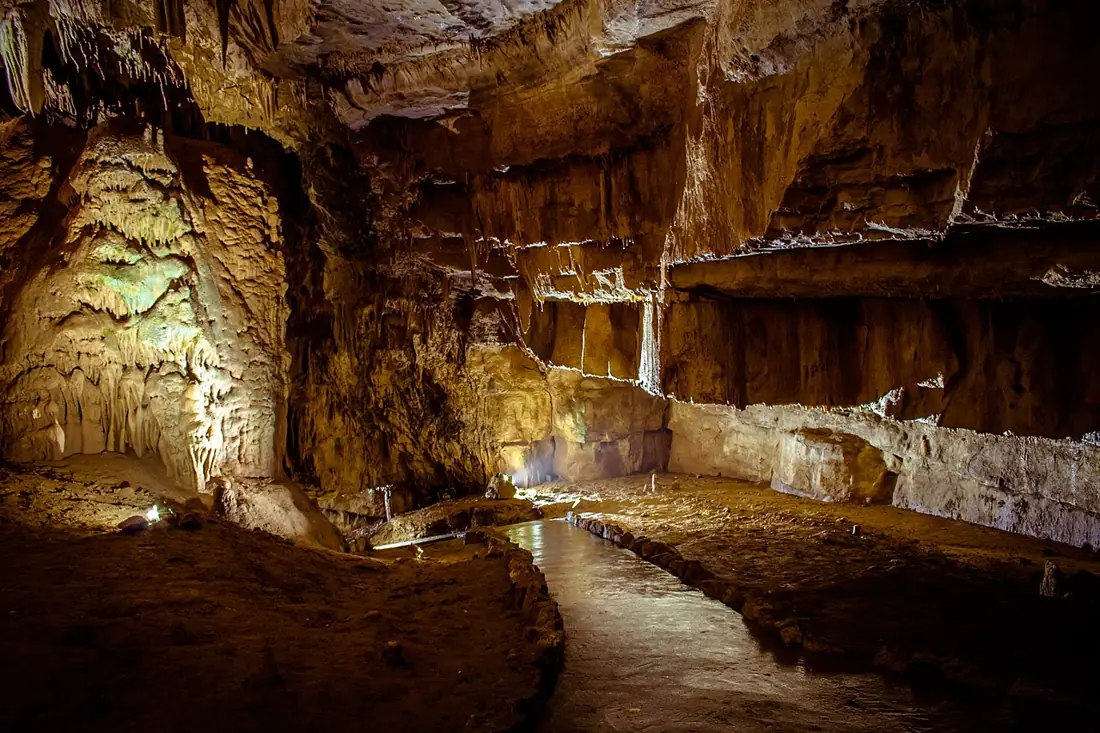 Cave
CavePrometheus Cave
A karst cave near Tskaltubo with lit halls, stone waterfalls and an underground boat ride.
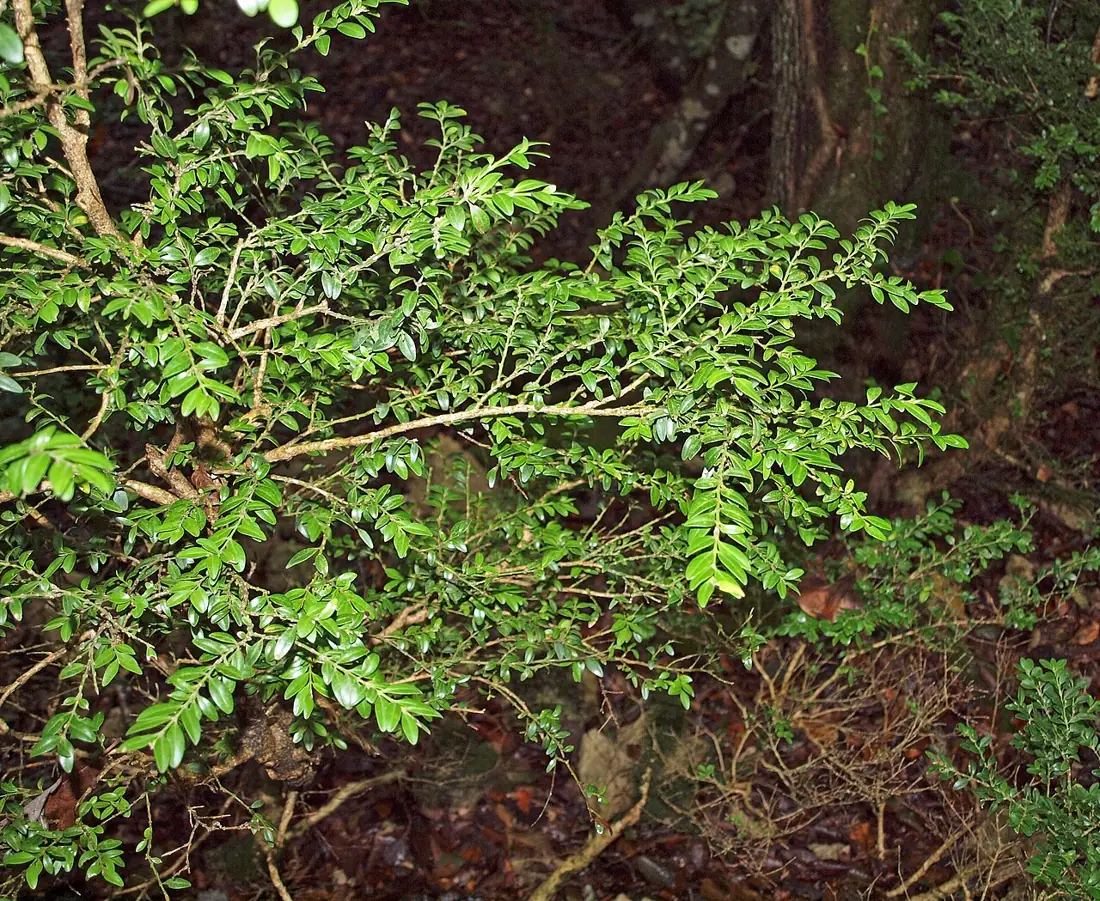 Nature
Sataplia Nature Reserve
Dinosaur footprints, a karst cave and a glass viewing platform, nine kilometres from Kutaisi.
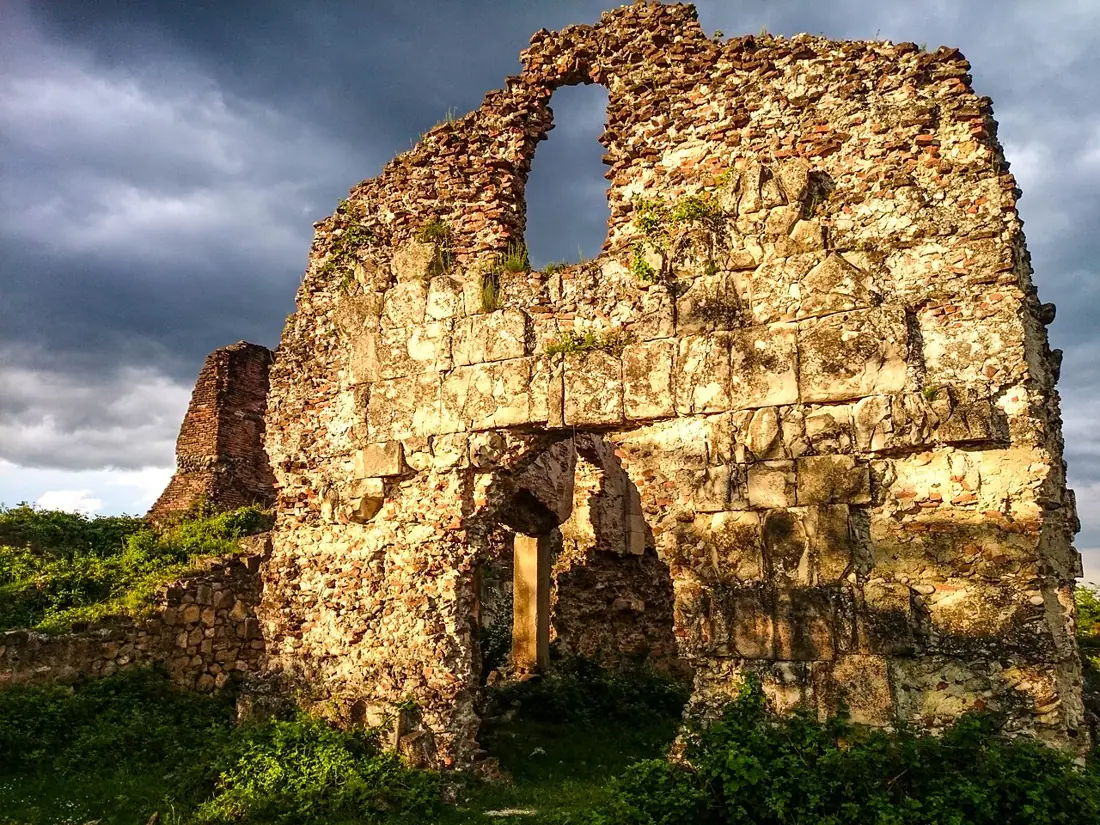 Archaeology
Geguti Palace
The ruins of a royal palace on the Rioni plain south of Kutaisi — one of the largest secular buildings of medieval Georgia.
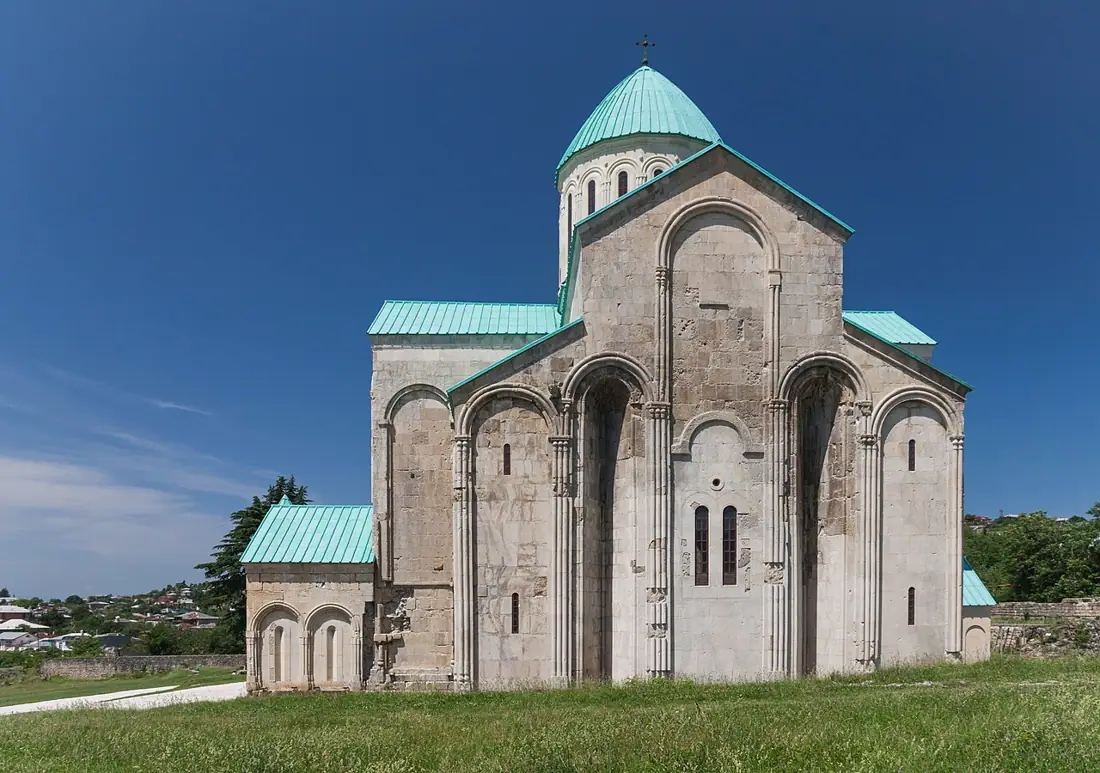 Town
TownBagrati Cathedral and central Kutaisi
The cathedral on Ukimerioni hill and the old streets of Kutaisi spread out below it.