Geguti Palace
The ruins of a royal palace on the Rioni plain south of Kutaisi — one of the largest secular buildings of medieval Georgia.
- Time needed
- 1 h
- From Tbilisi
- 225 km · 3:15
- Road
- Mostly paved
- Car needed
- Economy class
- Season
- All year
- Entry
- free
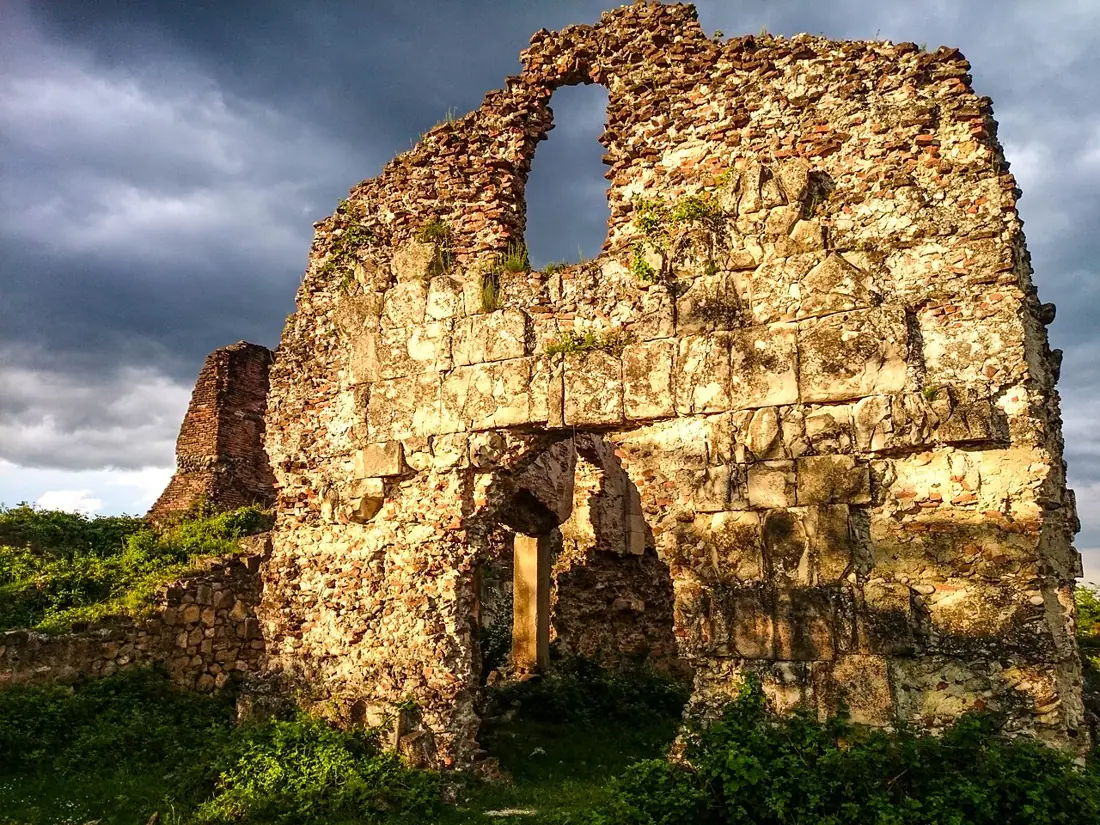
Geguti is where the kings of Georgia lived when they were not building cathedrals. The ruins stand about seven kilometres south of Kutaisi on the flat Rioni plain: low brick walls in rough grass at the edge of the woods.
The oldest core is 8th or 9th century — a single room with a large fireplace. The main complex went up under George III (1156–1184) and was extraordinary in scale: a cruciform central hall carrying a dome fourteen metres across on squinches, set on a stone plinth three metres high. In all the building covered more than two thousand square metres. Further ranges and a palace church were added in the 13th and 14th centuries.
Queen Tamar used Geguti as a retreat, and in 1191 it became one of the focal points of the revolt mounted by supporters of her first husband, Yuri Bogolyubsky. The palace served mainly as a winter residence: the Rioni lowland is mild, and the surrounding forest was royal hunting ground.
To be honest about it: the dome is long gone. What survives is massive brickwork standing two or three metres high, the hearth recess, the springing of vaults and the outline of the plan. Glass information panels installed in 2016 carry drawings of the original building, and they are what make the scale intelligible.
Come if you are interested in the history of architecture, or if you are driving from Kutaisi to Tskaltubo and have half an hour. There is no fence, no ticket, and almost never another visitor.
The building technique deserves a look in its own right. Geguti is brick, not the dressed stone of Georgian churches, laid in thin courses with wide mortar beds. That was the language of palaces and bath houses rather than of religious architecture, and almost nothing of it survives elsewhere in Georgia. Brick also weathers faster than stone, so the ruin loses definition from decade to decade, which is part of why the glass panels were installed in 2016.
Practical advice
Half an hour to an hour. In summer the grass is high and there are ticks, so long trousers are sensible and open shoes are not. You can climb on the ruins, but the brickwork is friable and the edges are broken. There is almost no shade and the midday sun is punishing; early or late is better. Toilets, a shop and a cafe exist only in the village, a kilometre away. Information boards are in Georgian and English and nothing else, so read up beforehand.
How to get there from Tbilisi
Follow the E60 west towards Kutaisi and turn south shortly before the city, in the direction of Vartsikhe and Baghdati — about 225 km in total, three hours fifteen. In Geguti village a sign takes you off the asphalt; the last two hundred metres are gravel, easy in a normal car in dry weather but deeply puddled after rain. You park on the grass beside the ruins. Refuel in Kutaisi. An economy car is enough unless the track is waterlogged.
Click a marker for details. Coloured lines are ready-made road trips.
Nearby places
 Town
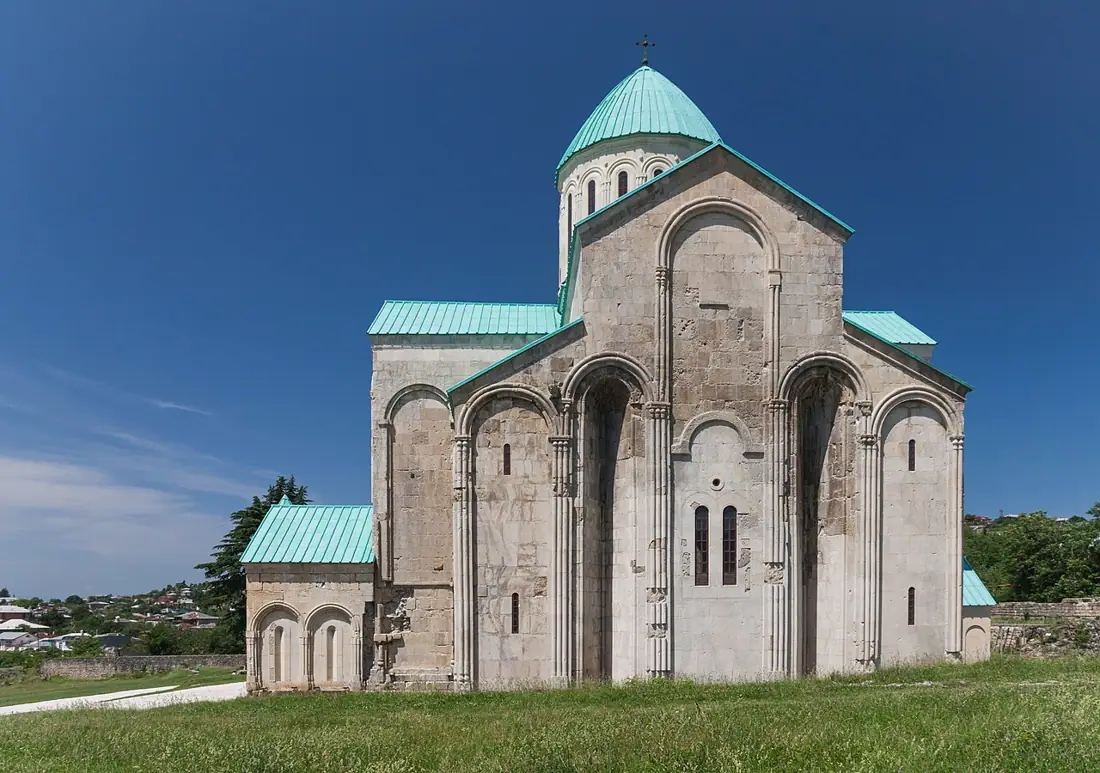
TownBagrati Cathedral and central Kutaisi
The cathedral on Ukimerioni hill and the old streets of Kutaisi spread out below it.
 Spa resort
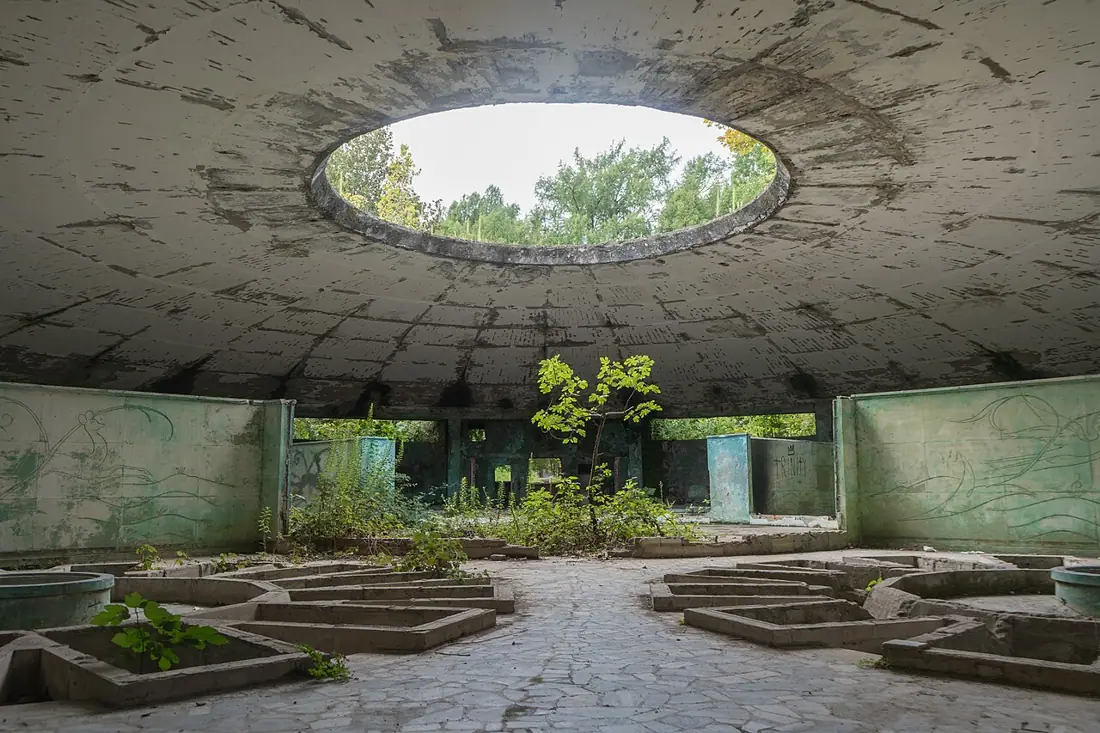
Tskaltubo
A model Soviet spa town with working bathhouses and two dozen abandoned sanatoriums standing open in the trees.
 Nature
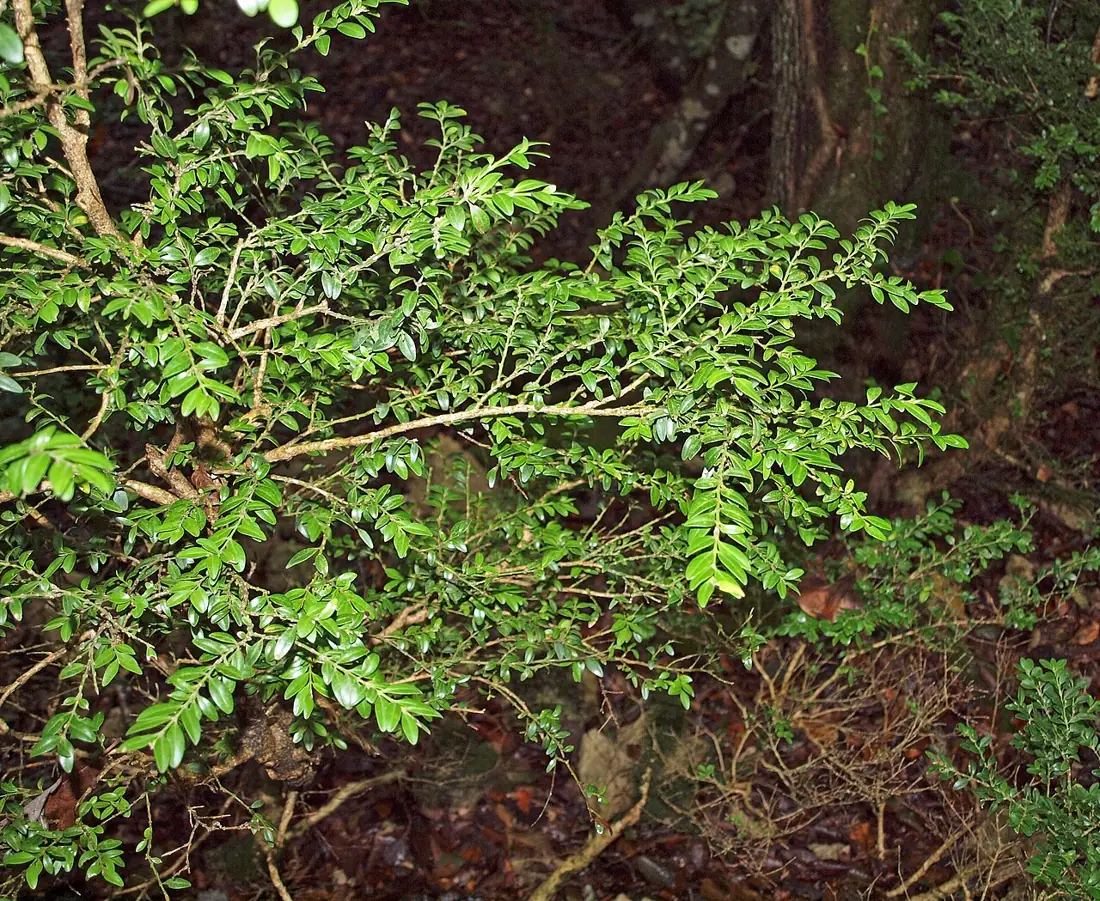
Sataplia Nature Reserve
Dinosaur footprints, a karst cave and a glass viewing platform, nine kilometres from Kutaisi.