Rukhi Fortress
Levan II Dadiani’s 17th-century fortress above the Enguri, with round towers and a wide view over the floodplain.
- Time needed
- 0.5 h
- From Tbilisi
- 330 km · 4:55
- Road
- Mostly paved
- Car needed
- Economy class
- Season
- All year
- Entry
- free
Rukhi is what one man's ambition left standing on the Mingrelian plain. The fortress sits on a low hill on the left bank of the Enguri, some eight kilometres north-west of Zugdidi.
Levan II Dadiani, who ruled Mingrelia from 1611 to 1657, built it in the middle of the seventeenth century. The purpose was plain: to hold the crossing of the Enguri against the princes of Abkhazia on one side and the kings of Imereti on the other. This was the period when Mingrelia was effectively independent and Levan conducted his own dealings with the Ottomans and with Russia.
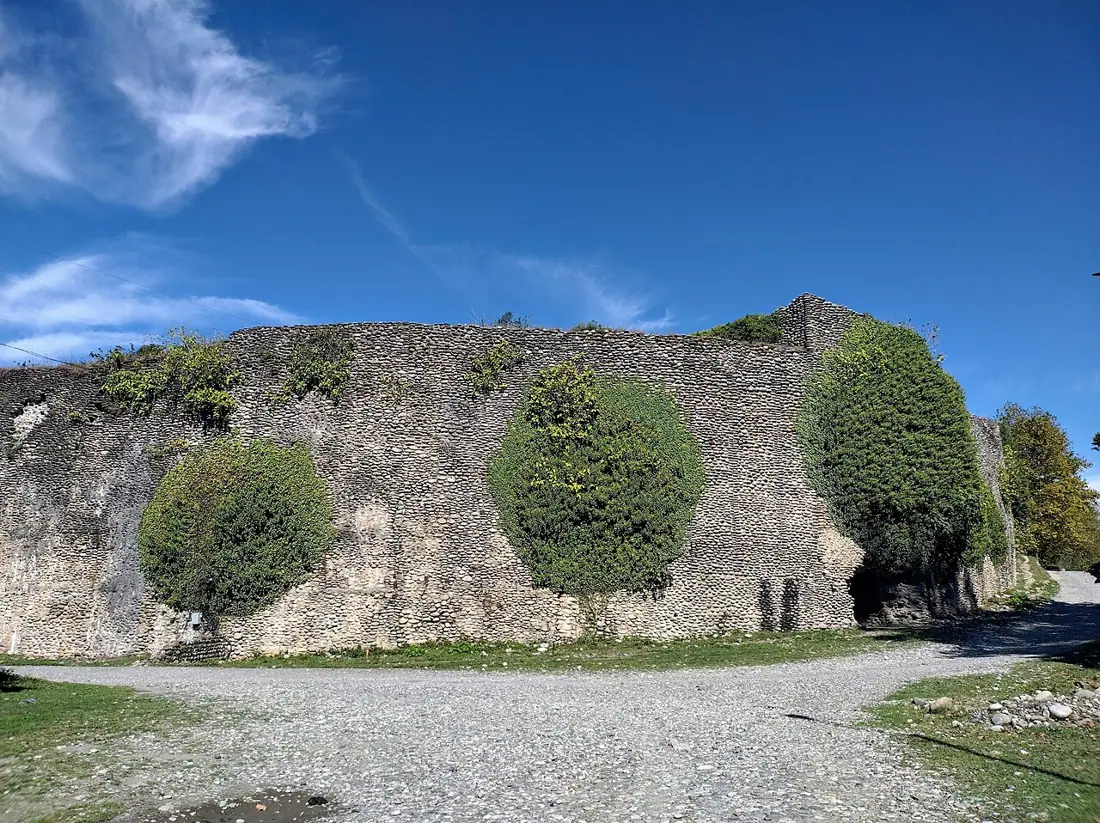
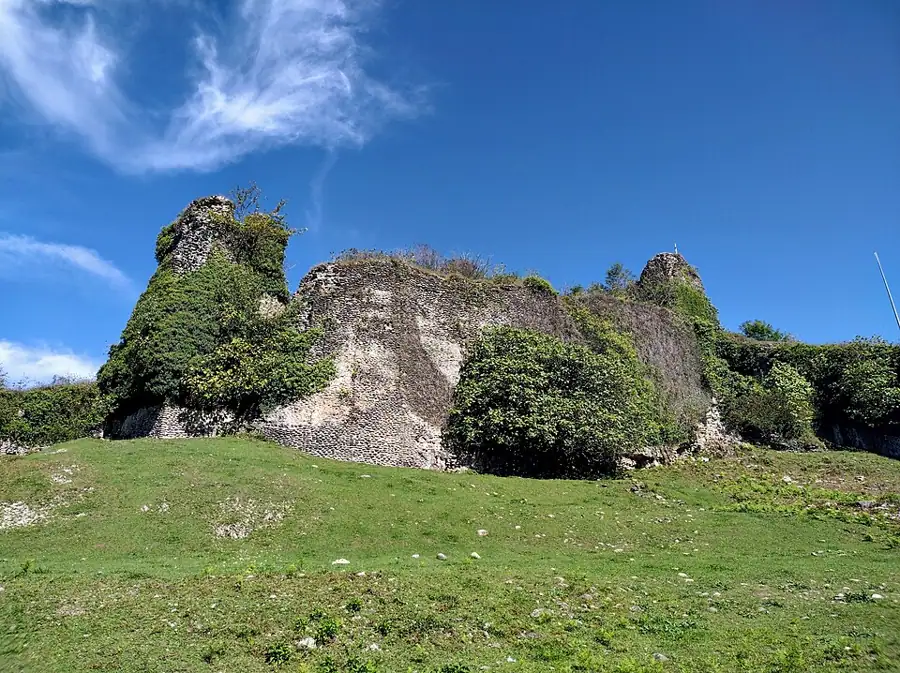
The plan is rectangular with round corner towers. The walls are built in alternating courses of river cobbles and brick, the standard lowland Mingrelian technique, and they look quite unlike the hard rubble masonry of the mountain fortresses. Inside are the remains of a two-storey residential block and a small church.
The place is ruined and, in summer, largely swallowed by brambles. There is no infrastructure whatever: no ticket, no guard, no railing, no path worth the name. That is a reason to come in late autumn or early spring, when the vegetation is down and the plan of the walls can actually be read. The towers can be climbed, but the stone is loose and the stairs are gone.
What Rukhi was for is easier to picture if you have read the Italians. Two Theatine missionaries, Cristoforo Castelli and Arcangelo Lamberti, lived at Levan's court in the 1630s and 1640s. Lamberti wrote a description of Mingrelia, and Castelli left hundreds of sketches, including portraits of Levan himself. Between them they record a small, violent, ceremonious state with Ottoman and Italian visitors, a trade in captives, and a ruler who did much as he pleased. Against that background the fortress makes sense as both a frontier work and a residence.
From the top you look out over the Enguri floodplain and, on a clear day, to the mountains of Svaneti in the distance. That view is half the reason for the visit.
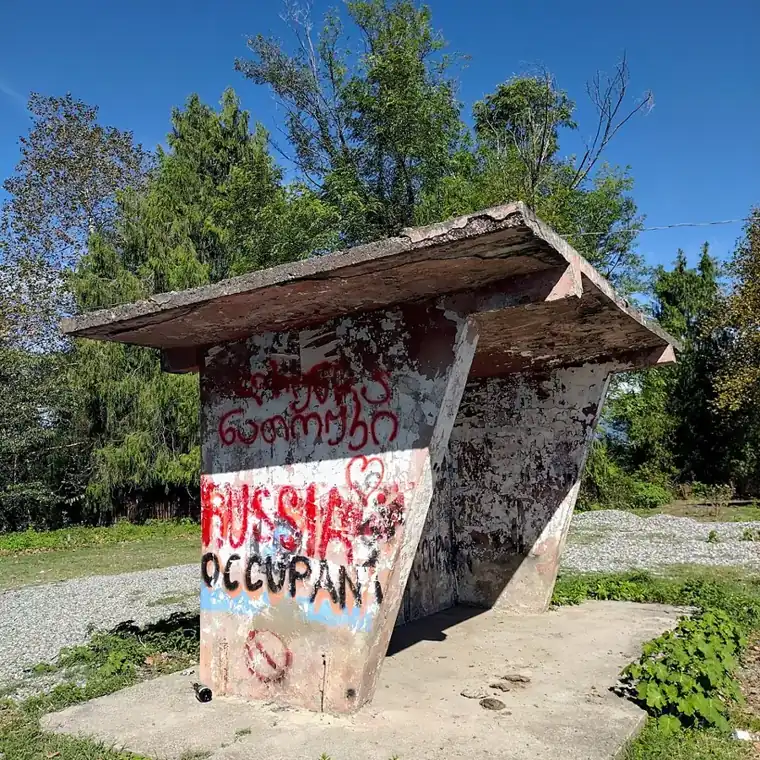
It is worth knowing that Rukhi is close to the de facto boundary with Abkhazia. The Enguri bridge and the crossing point are a few kilometres away, and a large hospital was built here in 2020. This is not a military zone, but photographing checkpoints or patrols is a bad idea, and it is sensible to stay on the fortress hill.
Practical advice
Half an hour is plenty, and it slots naturally into a Zugdidi day. There is no maintained path: the grass is high, the stone is loose and holes are hidden, so closed shoes are essential and shorts are a poor idea in summer. Snakes are possible, so walk heavily through long grass. There are no facilities at all — no toilet, no water, no shade. Climbing the towers with children is not worth the risk. Zugdidi is close by for a café and a shop.
How to get there from Tbilisi
From Tbilisi take the E60 to Senaki, continue to Zugdidi, then head north-west on the road towards the Enguri bridge — about 330 km in all and just under five hours. The main road is asphalt and in good condition. In the village of Rukhi a short lane turns off towards the hill; the last few hundred metres are unsurfaced and muddy after rain. Leave the car at the roadside or at the end of the village and walk up. Refuel in Zugdidi. In dry weather an economy car is enough.
Click a marker for details. Coloured lines are ready-made road trips.
Nearby places
 Museum
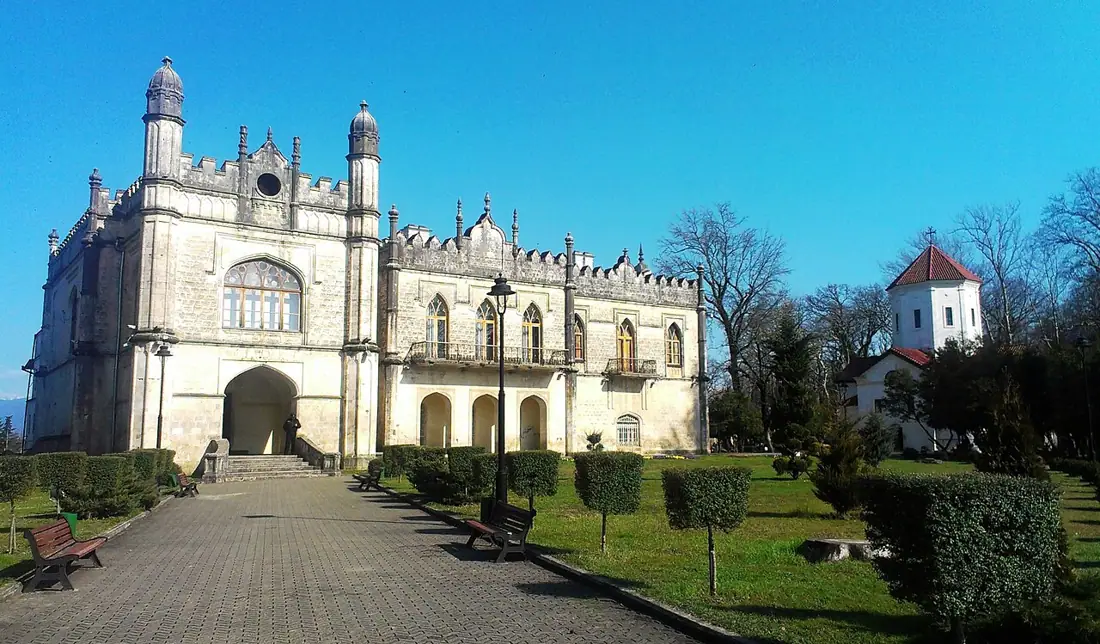
Dadiani Palace, Zugdidi
The residence of the princes of Mingrelia set in a botanical garden — Napoleon's death mask and the family collection.
 Nature
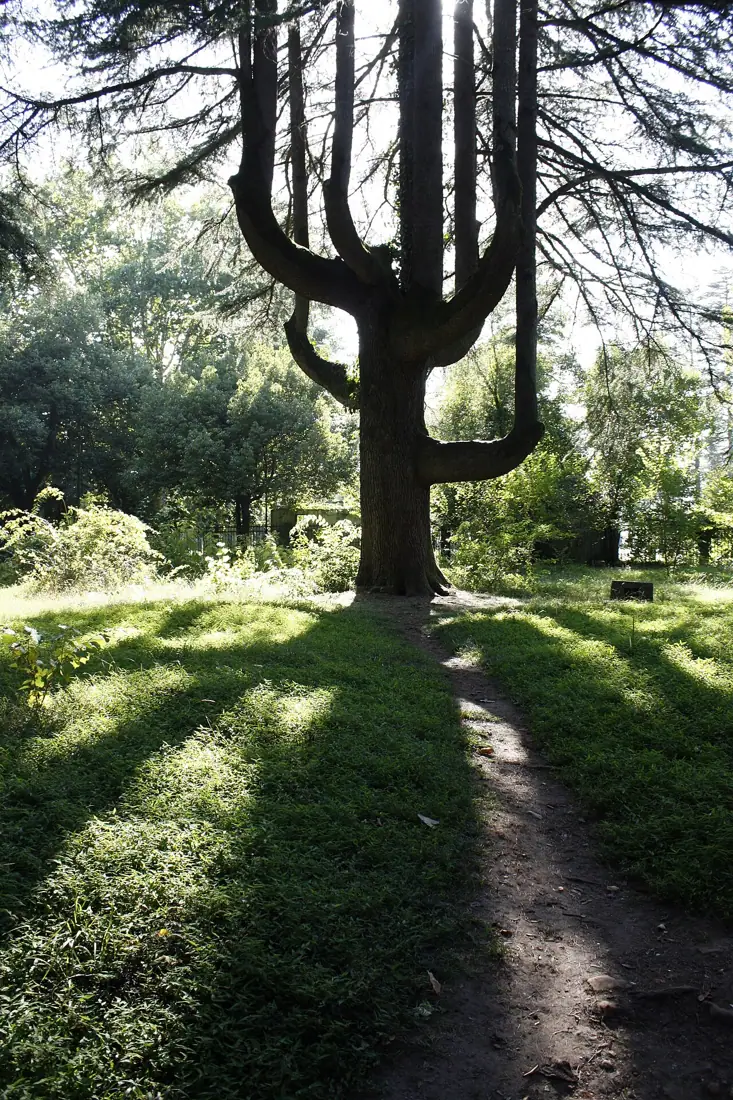
Zugdidi Botanical Garden
A garden laid out in the 1840s behind the Dadiani palace, full of subtropical trees and almost always empty.
 Lake
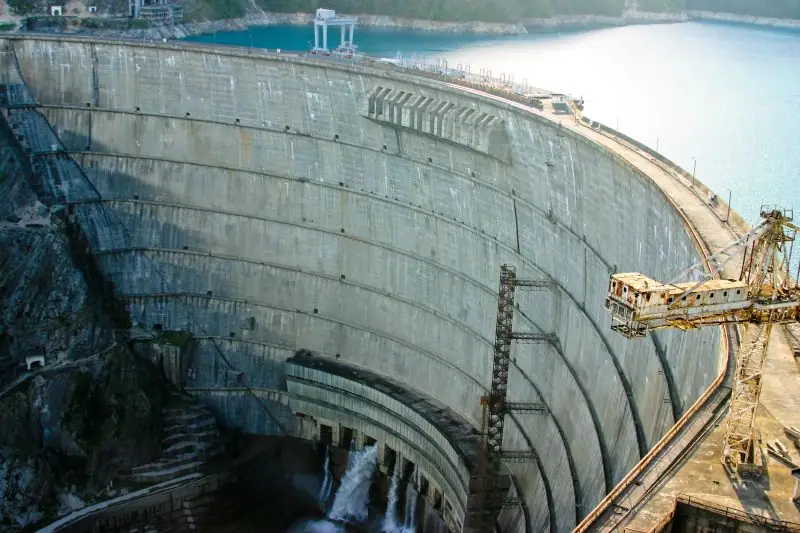
LakeEnguri Dam and Jvari Reservoir
A 271-metre arch dam on the road to Mestia, with a long turquoise reservoir stretching behind it.
 Beach
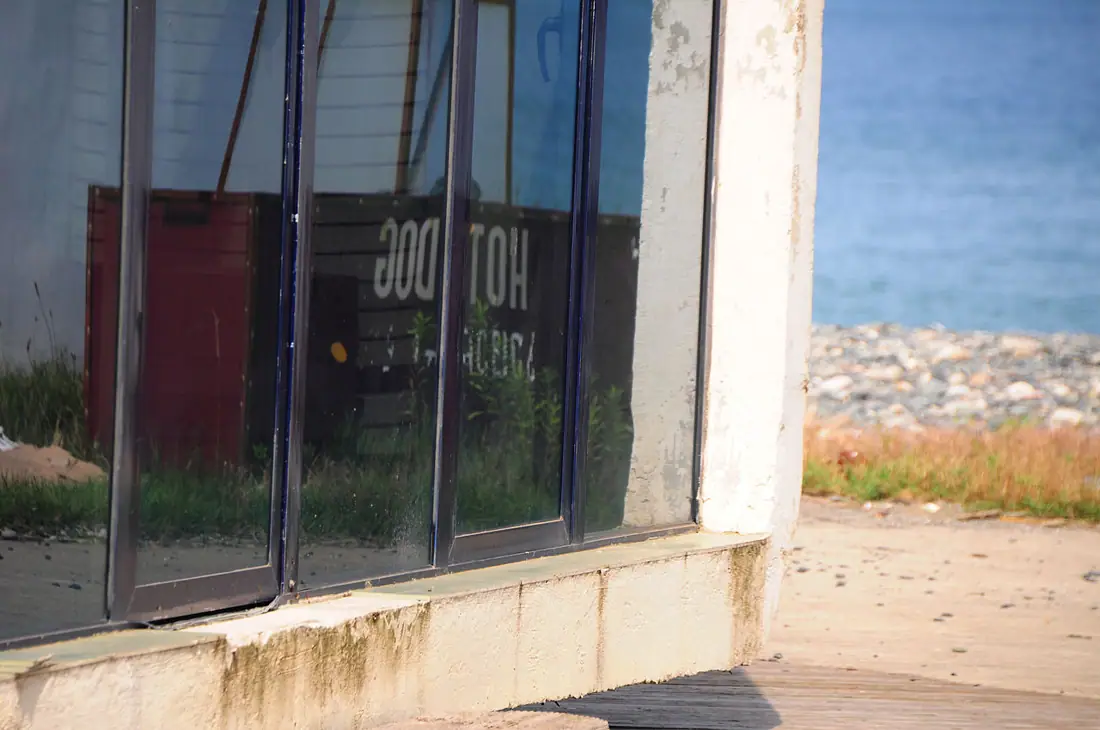
BeachAnaklia
A wide black-sand beach at the mouth of the Enguri — quiet, half-abandoned and the strangest seaside place in Georgia.
Booking and enquiries
This site is informational — there is no online payment. Call or email us to book.