The Kukushka narrow-gauge railway and the Tsagveri bridge
A 37-kilometre narrow-gauge line opened in 1902 that takes two and a half hours to climb from Borjomi to Bakuriani.
- Time needed
- 4 h
- From Tbilisi
- 162 km · 2:25
- Road
- Paved
- Car needed
- Economy class
- Season
- All year
- Entry
- 2 ₾
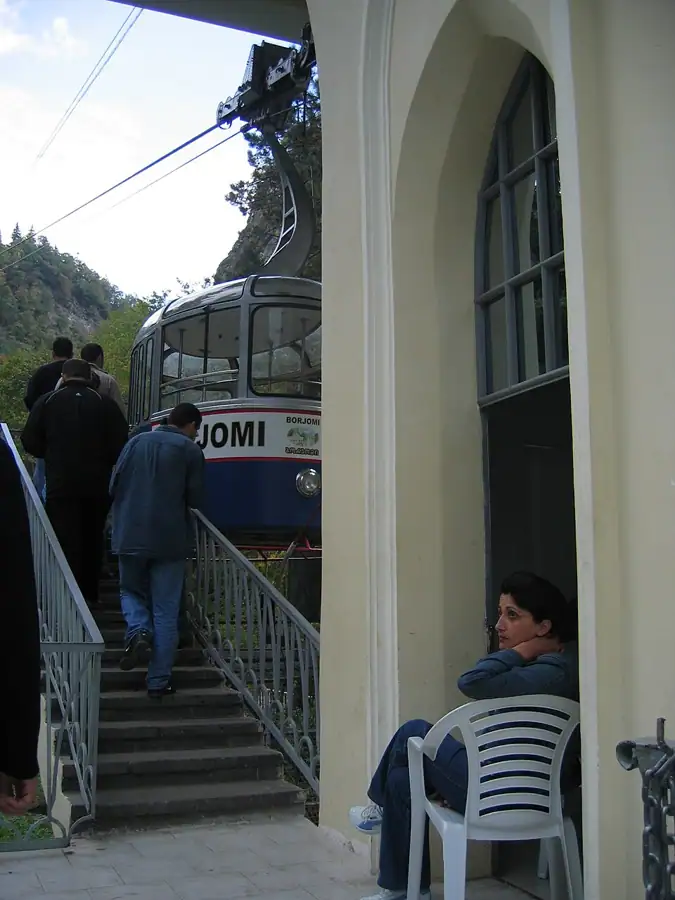
This is the only working narrow-gauge railway left in Georgia. The line opened in 1902, the track is 900 millimetres wide, and the whole distance from Borjomi to Bakuriani is 37 kilometres. The train needs about two and a half hours to cover them, because in the same stretch it has to lift itself some eight hundred metres. The nickname Kukushka, the cuckoo, comes from the whistle of the old steam engines.
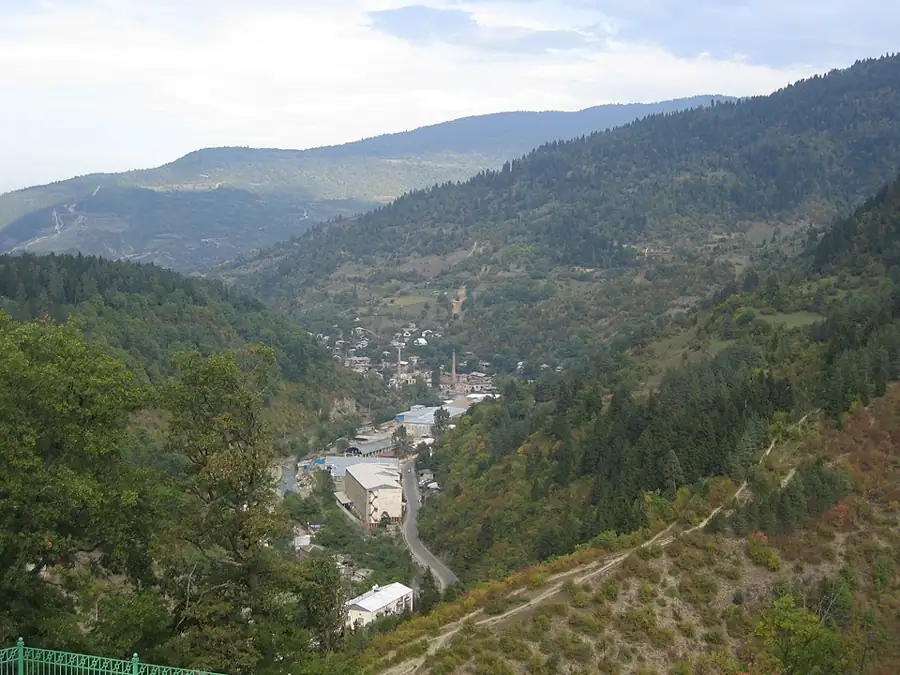
The line was electrified in 1967 and was among the first electrified narrow-gauge railways in the Soviet Union; two or three carriages still run under the overhead wire. The track winds through forest along the valley side, often slowly enough that you could almost pick raspberries through the window.
The set piece of the route is the steel bridge over the Tsemistskali river near Tsagveri — an elegant lattice span of 1902 traditionally credited to Gustave Eiffel's company. The attribution has never been documented, but the bridge is genuinely a fine piece of period engineering, and you can see it perfectly well from the road if you are not taking the train.
The intermediate stops are Tsemi, Patara Tsemi, Tsagveri and Sakochavi: small wooden station buildings, some of them still original.
What not to expect: this is not a heritage attraction but an ordinary local service. The seats are hard, the carriages are cold in winter and often full of villagers with their shopping. In exchange the ticket costs almost nothing and the views on the middle section are genuinely good. There are usually two departures a day in each direction, though the line is suspended from time to time for track repairs, so check locally before planning a day around it.
Gallery
Practical advice
The full run in one direction takes two and a half hours, so doing it both ways eats a whole day; many people ride one way and return by taxi or by their own car. In Borjomi you board at the Park station, near the central park. There is no toilet on the train. Bring warm clothes even in summer, since Bakuriani is eight to ten degrees colder than Borjomi. Buy food and water beforehand, because the train makes no useful stops.
How to get there from Tbilisi
From Tbilisi take the E60 to Khashuri, then turn south towards Borjomi — 162 km, about two hours and twenty-five minutes. The road is asphalt throughout and in good condition. Borjomi Park station sits in the centre of town beside the central park, with free parking along the street. If you are not riding the train and only want to see the Eiffel bridge, drive the Bakuriani road as far as Tsagveri; the span stands above the village and is visible from the road. Fuel in Khashuri and Borjomi.
Click a marker for details. Coloured lines are ready-made road trips.
Nearby places
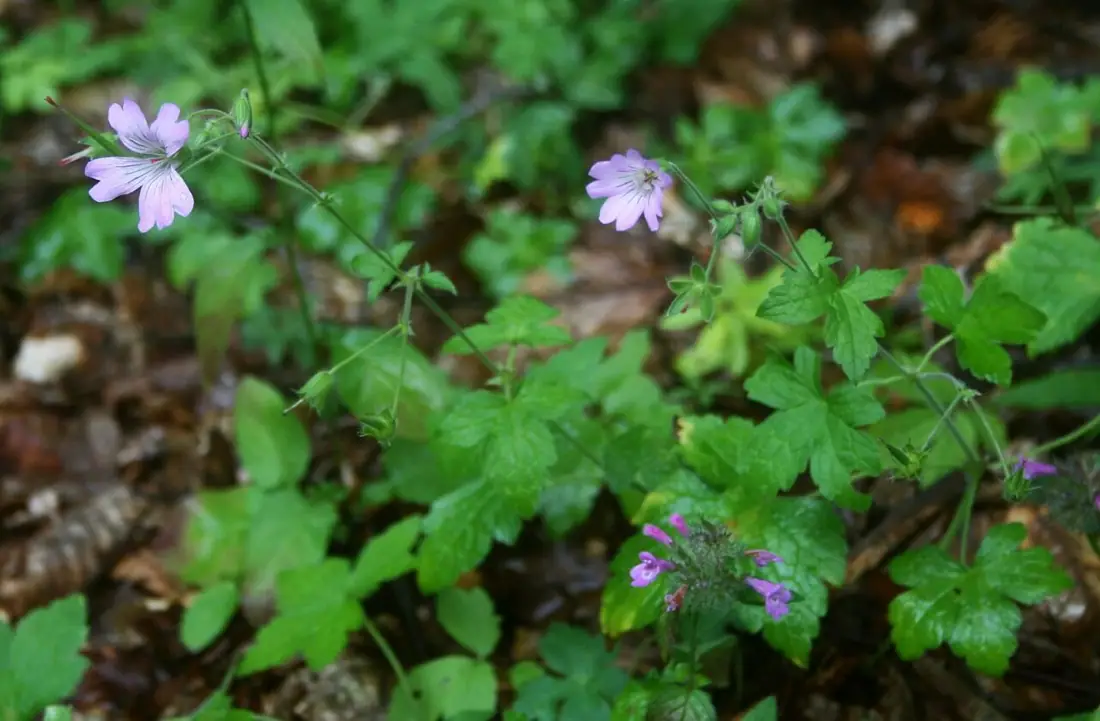
 Spa resort
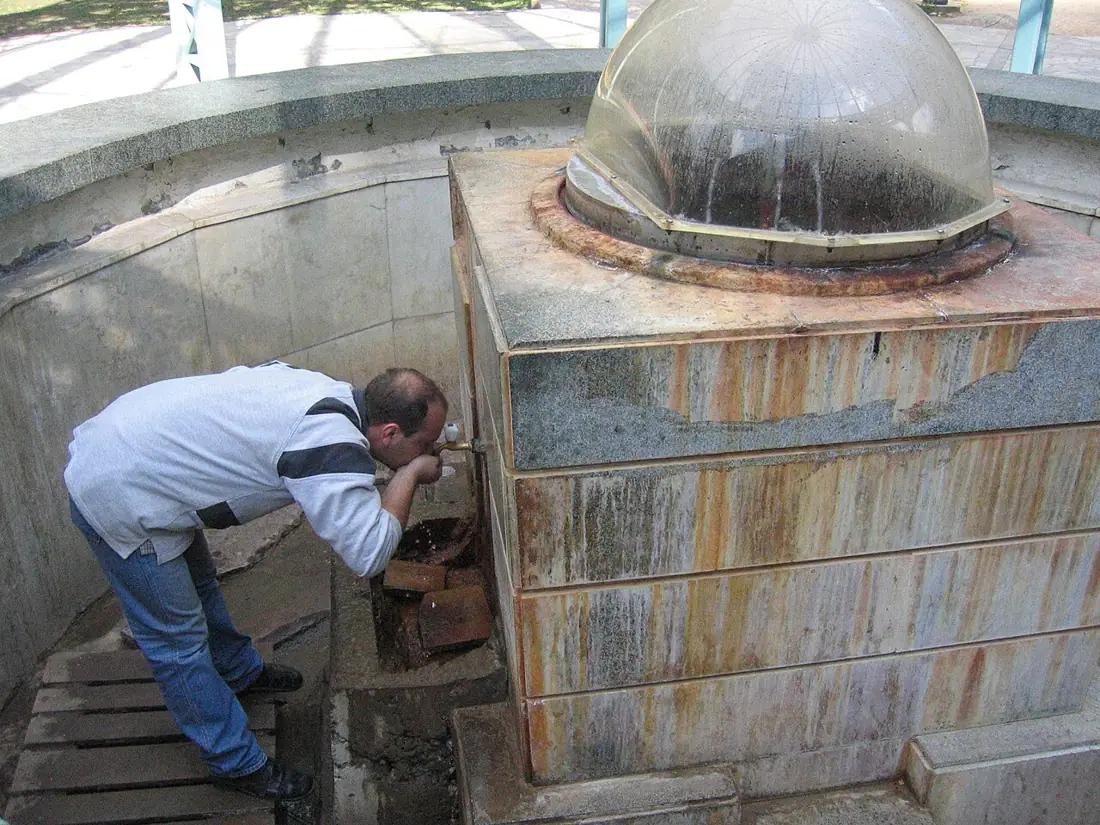
Borjomi Central Park and Mineral Springs
The historic spa park where you drink warm Borjomi water free, straight from the source.
 Ski area
Bakuriani
A ski resort at 1,700 metres in pine forest on the northern slope of the Trialeti range, above Borjomi.
 Museum
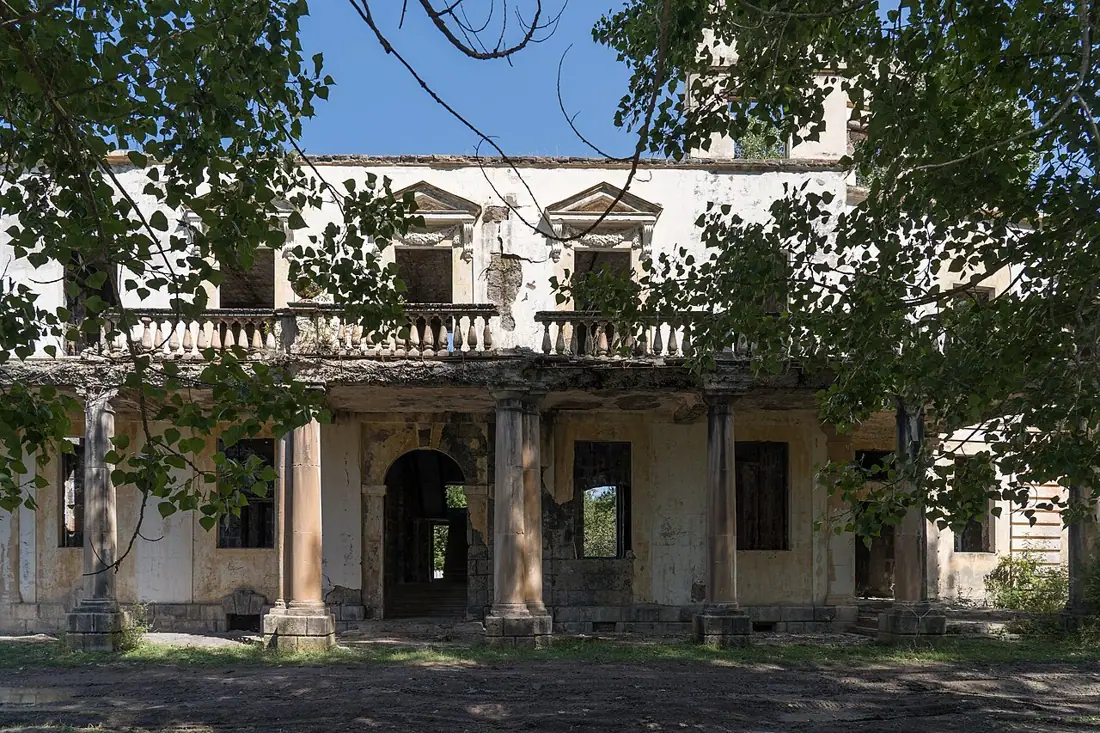
Likani Palace (the Romanov summer residence)
The Romanov palace on the bank of the Mtkvari near Borjomi, today a state residence of the president.
 Monastery
Timotesubani Monastery
A brick church of Queen Tamar's reign off the Borjomi-Bakuriani road, holding an unusually complete 13th-century fresco cycle.
Booking and enquiries
This site is informational — there is no online payment. Call or email us to book.