Bakuriani Alpine Botanical Garden
A high-mountain botanical garden founded in 1910 on the edge of Bakuriani, holding a collection of Caucasian alpine flora.
- Time needed
- 1.5 h
- From Tbilisi
- 187 km · 2:55
- Road
- Paved
- Car needed
- Economy class
- Season
- May–October
- Entry
- 2 ₾
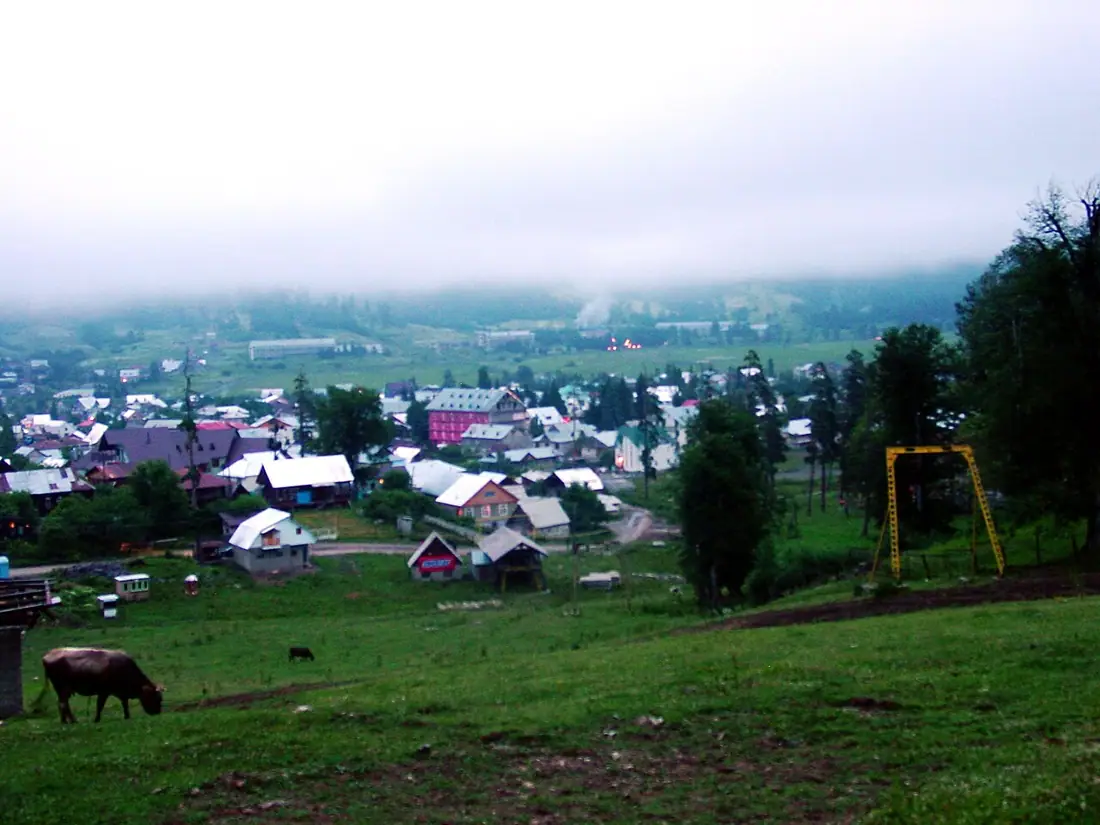
This is the highest botanical garden in Georgia, at around 1,700 metres on the north-western edge of Bakuriani, between pine forest and hay meadows. It was founded in 1910 as the high-mountain department of the Tbilisi Botanical Garden and it is still a working research station: its purpose a century ago was the study and acclimatisation of alpine and subalpine plants, and that has not changed.
The grounds cover roughly seventeen hectares, divided into several parts: demonstration beds of Caucasian alpine meadow species, a rock garden, an arboretum of conifers introduced from North America and East Asia, rhododendron plantings and experimental plots. In the middle stand small wooden buildings that still hold Soviet-era scientific equipment.
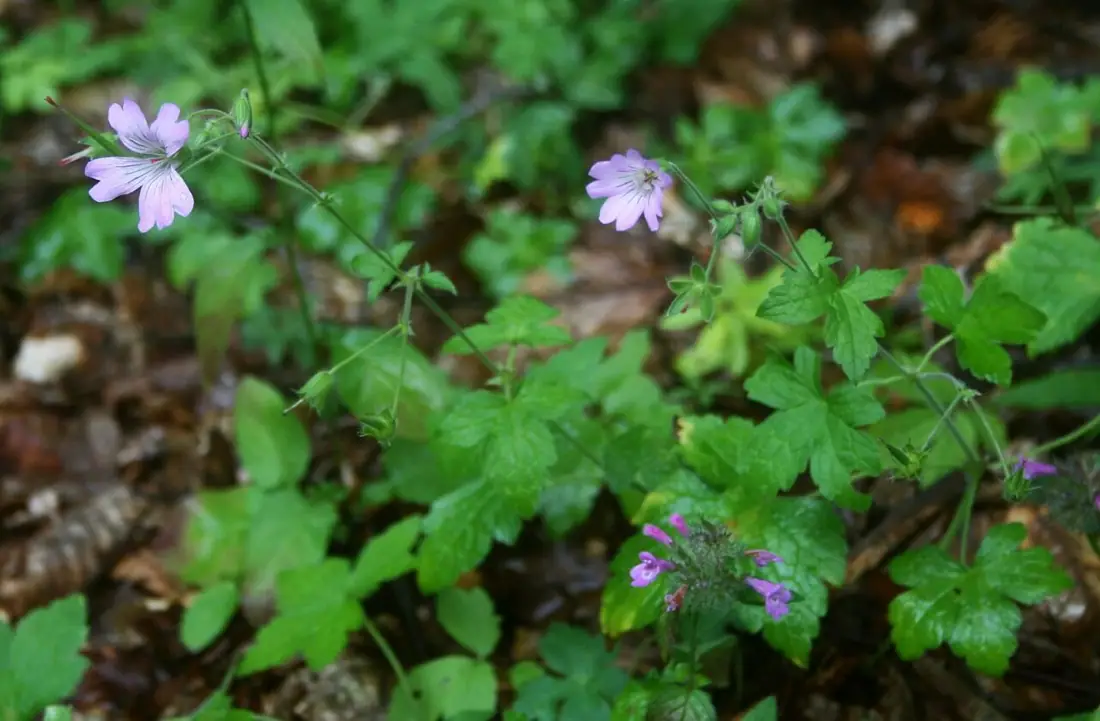
The conifer arboretum is the part that has aged best. Trees planted a century ago as experiments now stand tall enough to shade the paths, and walking between them is the nearest thing here to a designed avenue. The alpine beds work the other way round: they peak for a few weeks and for the rest of the summer read as ordinary meadow unless you stop and check the labels.
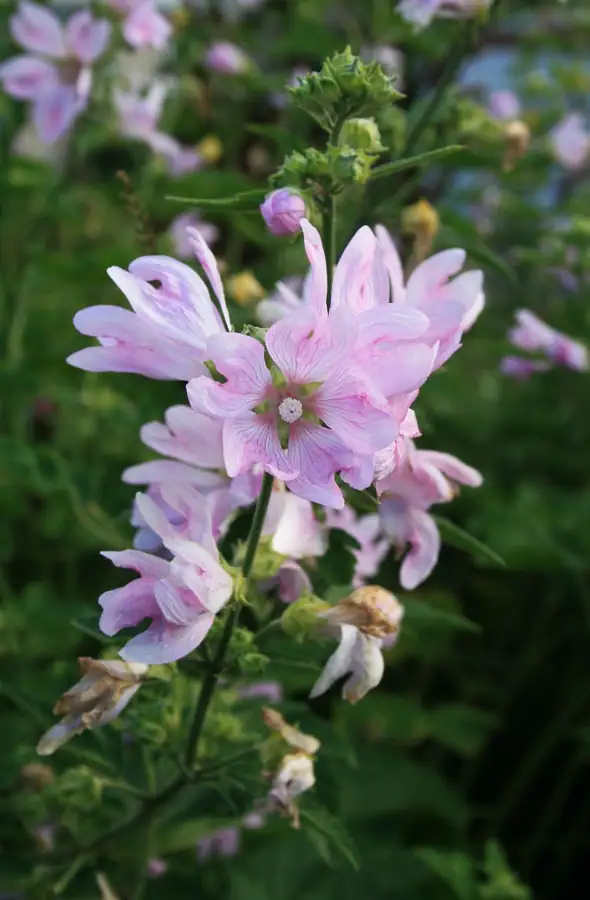
Late June and July are the best weeks, when the alpine beds flower more or less at once. August is drier and quieter; by September the colour comes from the conifers and the birches instead. In winter the garden lies under snow and is closed.
It is worth being clear about what this is not. It is not a manicured municipal park. Many paths are simply tracks worn through grass, a good share of the labels have gone missing, and some plots look frankly abandoned. Anyone hoping for landscape design will be disappointed. Anyone who is interested in plants, or who simply wants a quiet hour after the noise of Bakuriani's main street, has come to the right place: there is usually almost nobody here, and the smell of resin and the sound of bees are the only background.
Gallery
Practical advice
An hour and a half covers it comfortably. You can walk up from the centre of Bakuriani in about twenty minutes rather than driving. The paths are earth and turn muddy after rain, so trainers beat sandals. Nothing is sold on site, so bring water and something to eat. The toilet is basic and not always open. In early May patches of snow can still be lying on the north-facing slopes. There is little shade on the open beds, so a hat helps.
How to get there from Tbilisi
Drive to Bakuriani from Tbilisi on the E60 to Khashuri, then south through Borjomi and up the switchbacks, 185 km in all. The garden sits on the north-western edge of the village, off the road that continues towards Tsagveri and Tsikhisjvari, about two kilometres from the centre. The total is 187 km and close to three hours. Asphalt runs all the way; the last stretch is narrow but passable. Cars are left on the verge by the entrance. Refuel in Borjomi. An economy car is entirely sufficient in season.
Click a marker for details. Coloured lines are ready-made road trips.
Nearby places
 Ski area
Bakuriani
A ski resort at 1,700 metres in pine forest on the northern slope of the Trialeti range, above Borjomi.
 Museum
The Kukushka narrow-gauge railway and the Tsagveri bridge
A 37-kilometre narrow-gauge line opened in 1902 that takes two and a half hours to climb from Borjomi to Bakuriani.
 Spa resort
Borjomi Central Park and Mineral Springs
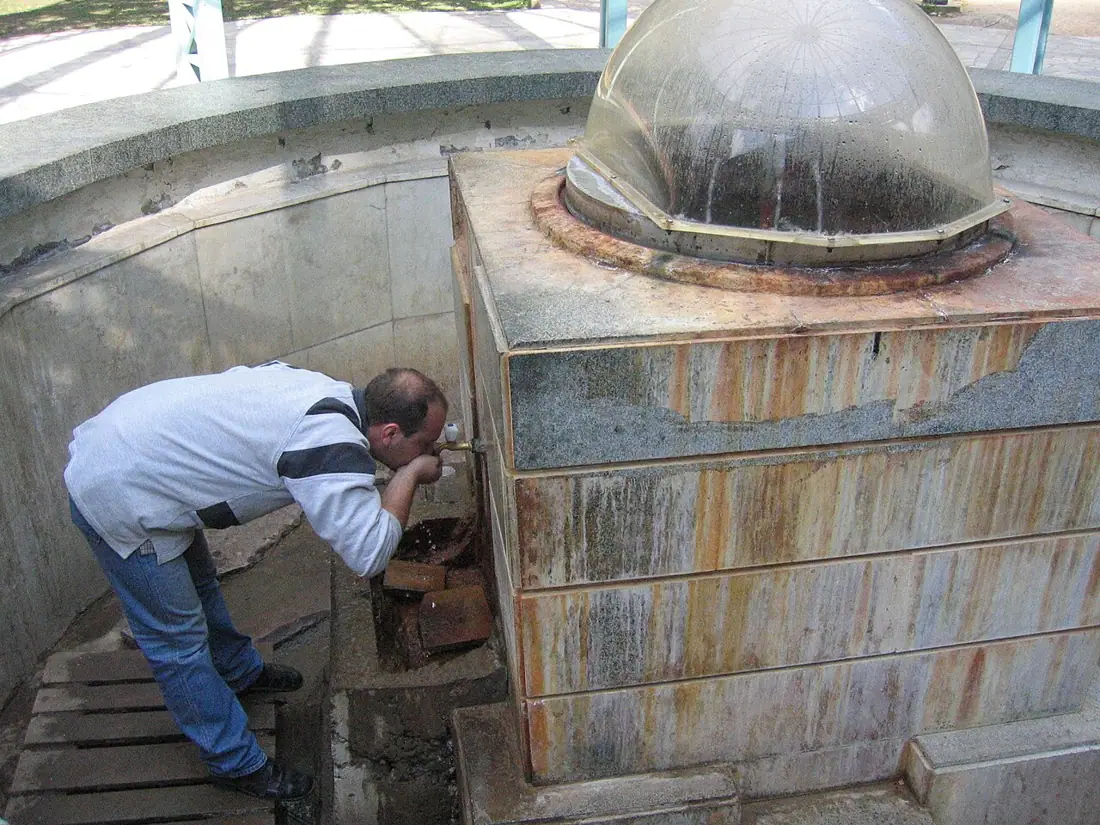
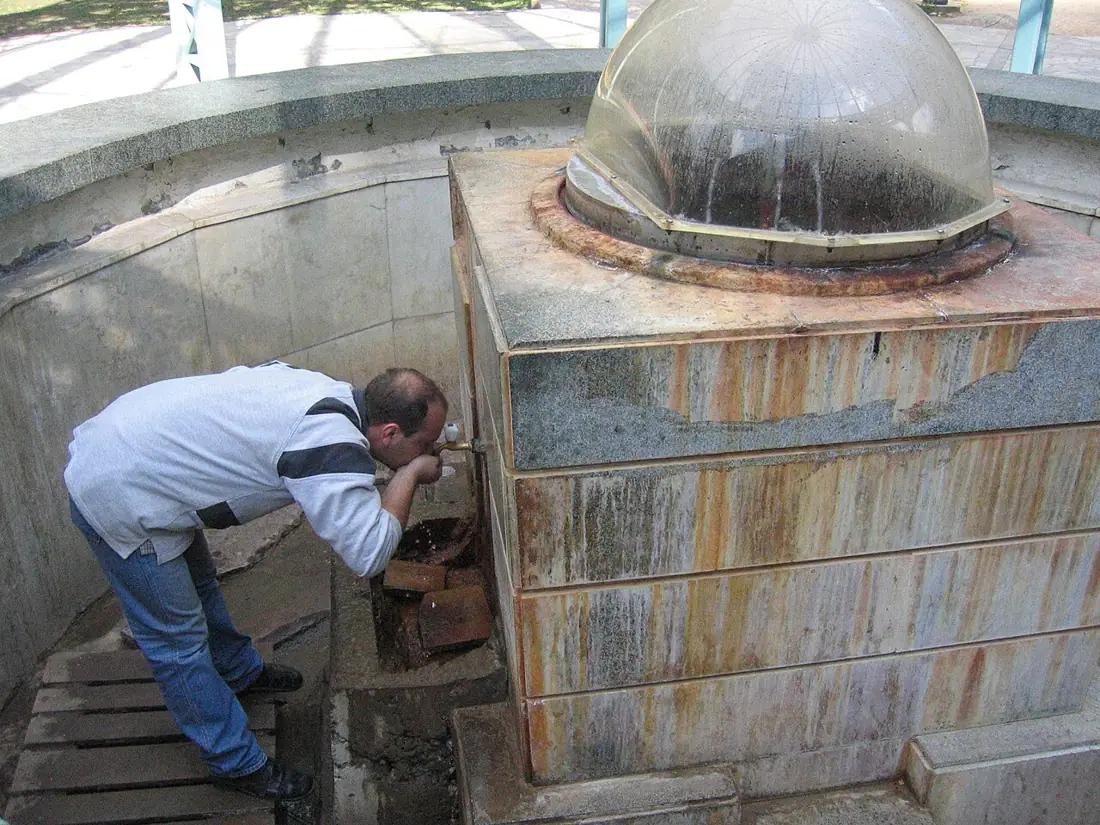
The historic spa park where you drink warm Borjomi water free, straight from the source.
Booking and enquiries
This site is informational — there is no online payment. Call or email us to book.