Atskuri Fortress
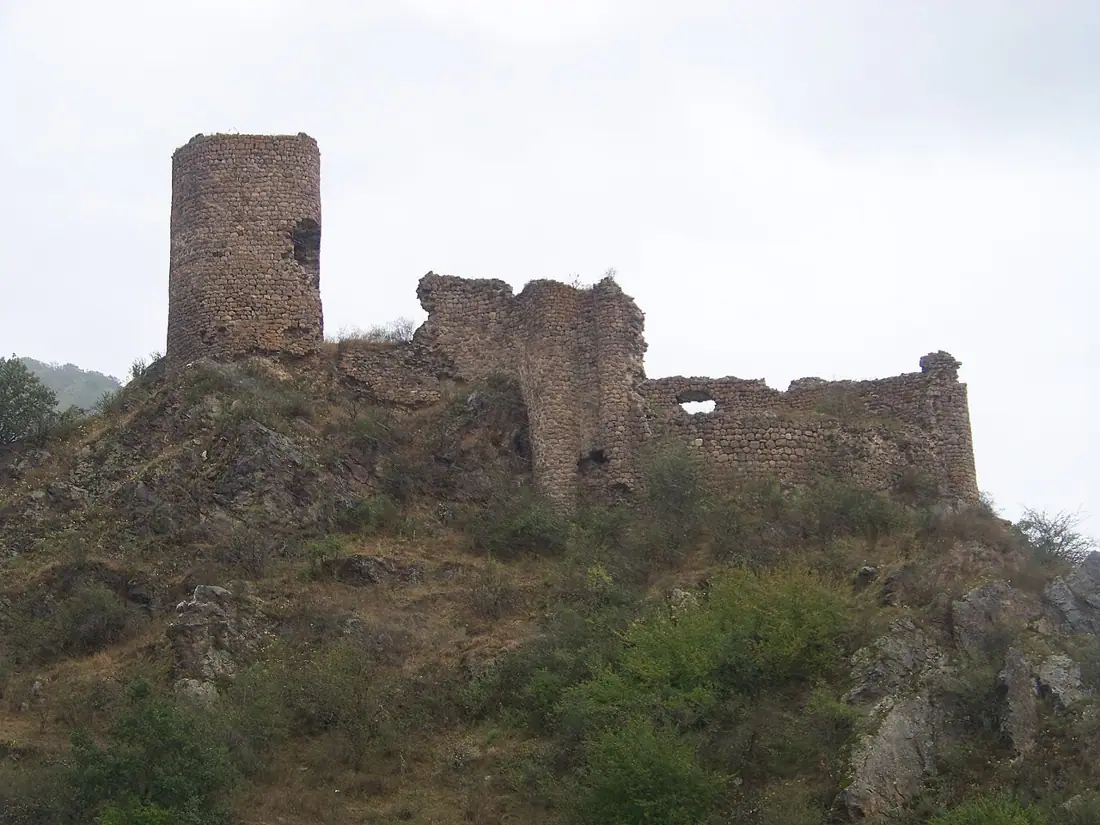
An unrestored fortress on a rock at the narrowest point of the Mtkvari gorge, between Borjomi and Akhaltsikhe.
- Time needed
- 1 h
- From Tbilisi
- 188 km · 2:55
- Road
- Mostly paved
- Car needed
- Economy class
- Season
- All year
- Entry
- free
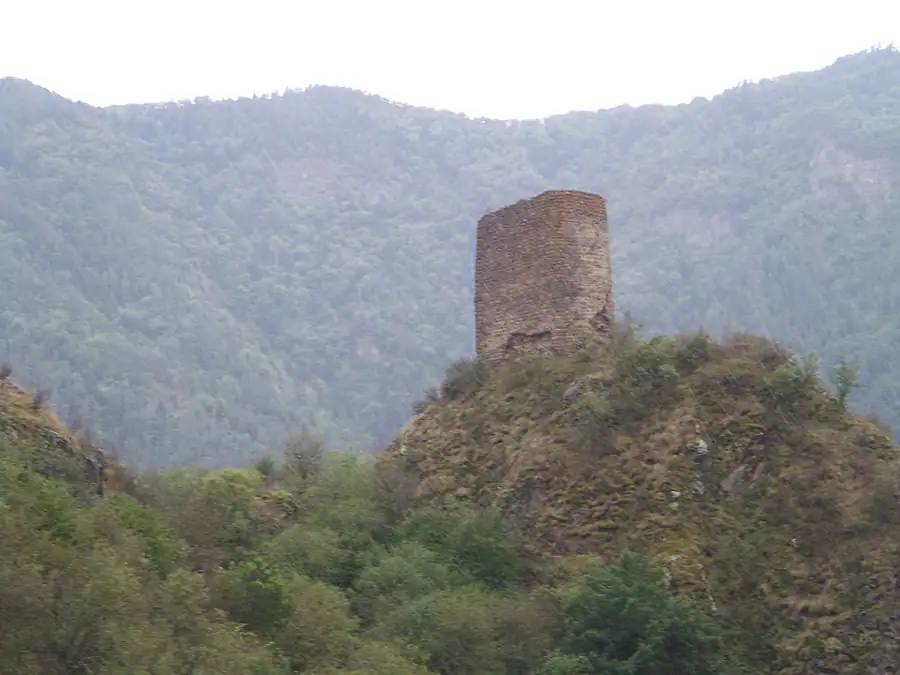
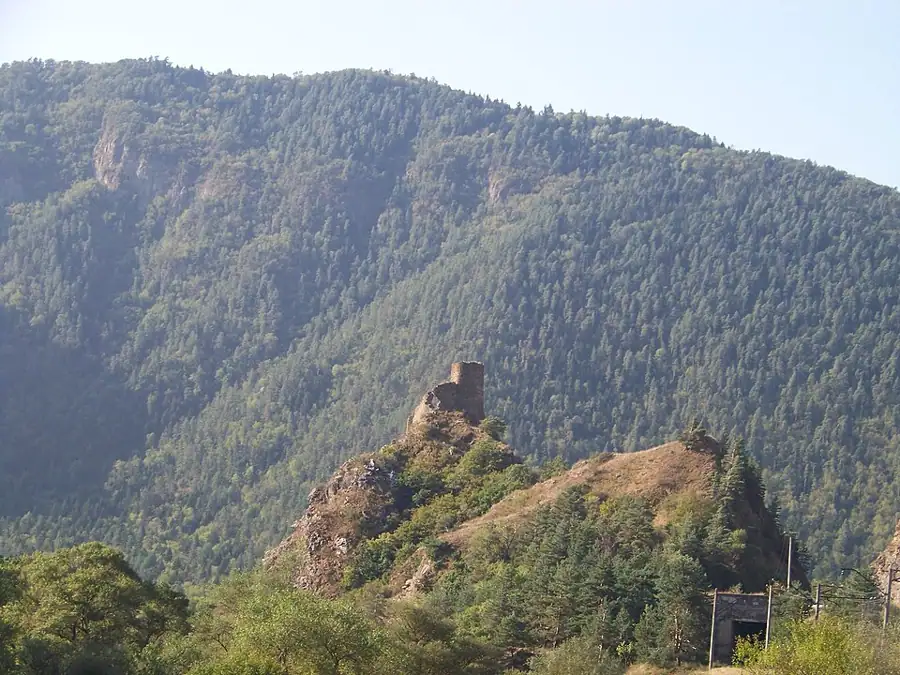
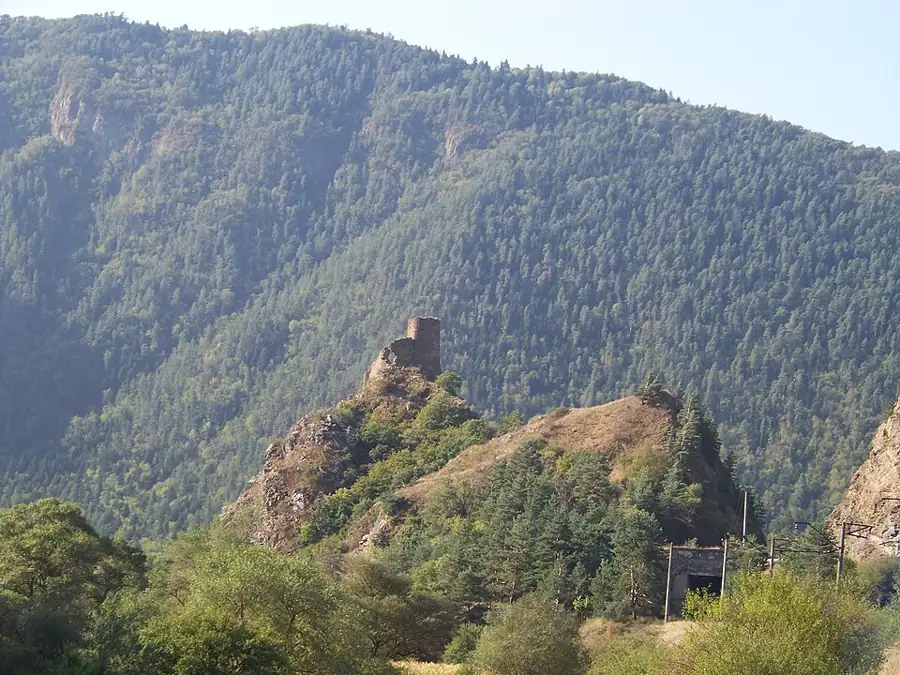
Atskuri stands where the Mtkvari gorge narrows so tightly that nothing can pass unseen. Historically this was the gateway from Kartli into Samtskhe, and whoever held the rock held the road. The fortress rises on a steep spur above the river and is impressive even from the car.
A stronghold is mentioned here in the early Middle Ages, but the walls and towers standing today are largely 14th to 16th century, remodelled first by the Jaqeli princes and later by an Ottoman garrison. The layout is complicated, following the shape of the rock: a lower enceinte, a middle terrace and an upper citadel.
Atskuri was more than a military post. It was the seat of the Bishop of Atskuri, one of the most important sees in southern Georgia. The ruins of the cathedral of the Dormition lie below the fortress, and the Atskuri icon of the Virgin, which tradition says was brought by the Apostle Andrew, is now kept in the Georgian National Museum in Tbilisi.
The stronghold lost its purpose after 1828, when the Russian empire took Akhaltsikhe and the frontier moved south. From then on the villagers took stone from it for their own building, which is a large part of why the lower walls are so much more broken than the towers.
The site has been neither restored nor arranged for visitors: there are no made paths, no railings, no ticket and no information boards. Parts of the wall have collapsed, the stone is loose and in places the ground is genuinely dangerous. In exchange, the view from the top along the gorge and across the Meskheti range is exceptional, and you will almost certainly have it to yourself, because the traffic heading for Akhaltsikhe stays on the asphalt below and hardly anyone climbs up.
Gallery
Practical advice
The climb takes twenty to thirty minutes on a steep stony path with little shade. Proper shoes are essential; do not attempt it in sandals. Skip the upper section in wet or icy weather, where the stone is slick and there is nothing to hold on to. With children, stay in the lower enclosure. Carry water, since nothing is sold on site; the village on the main road has a shop and a toilet. In spring the grass is high and snakes are possible.
How to get there from Tbilisi
From Tbilisi take the E60 to Khashuri, continue to Borjomi, and then follow the Akhaltsikhe road for about another thirty kilometres. The total is 188 km, roughly three hours. The main road is asphalt and in good condition. In Atskuri village the fortress is clearly visible on the rock to the right; leave the car on the village street or by the ruined church and continue on foot. Fuel is available in Borjomi and Akhaltsikhe. An economy car is sufficient.
Click a marker for details. Coloured lines are ready-made road trips.
Nearby places
 Fortress
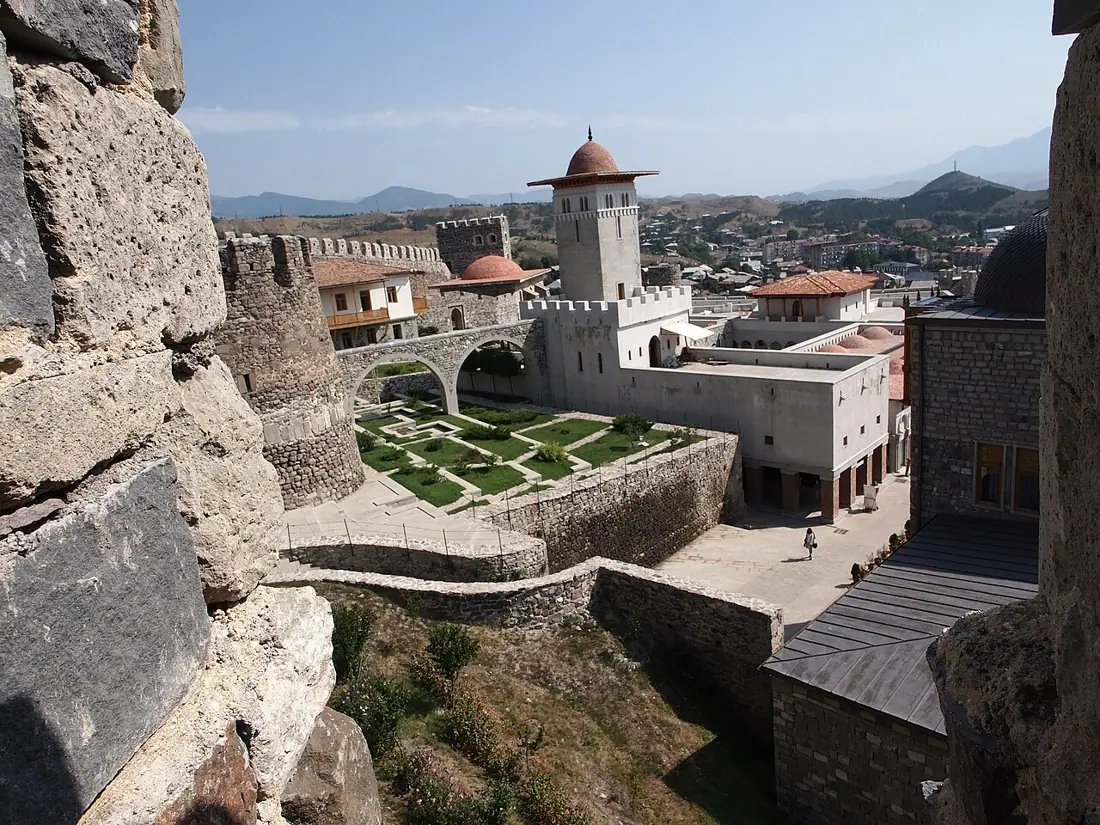
Rabati Castle (Akhaltsikhe)
A restored fortress-town in the heart of Akhaltsikhe where a mosque, a church and a synagogue share one courtyard.
 Monastery
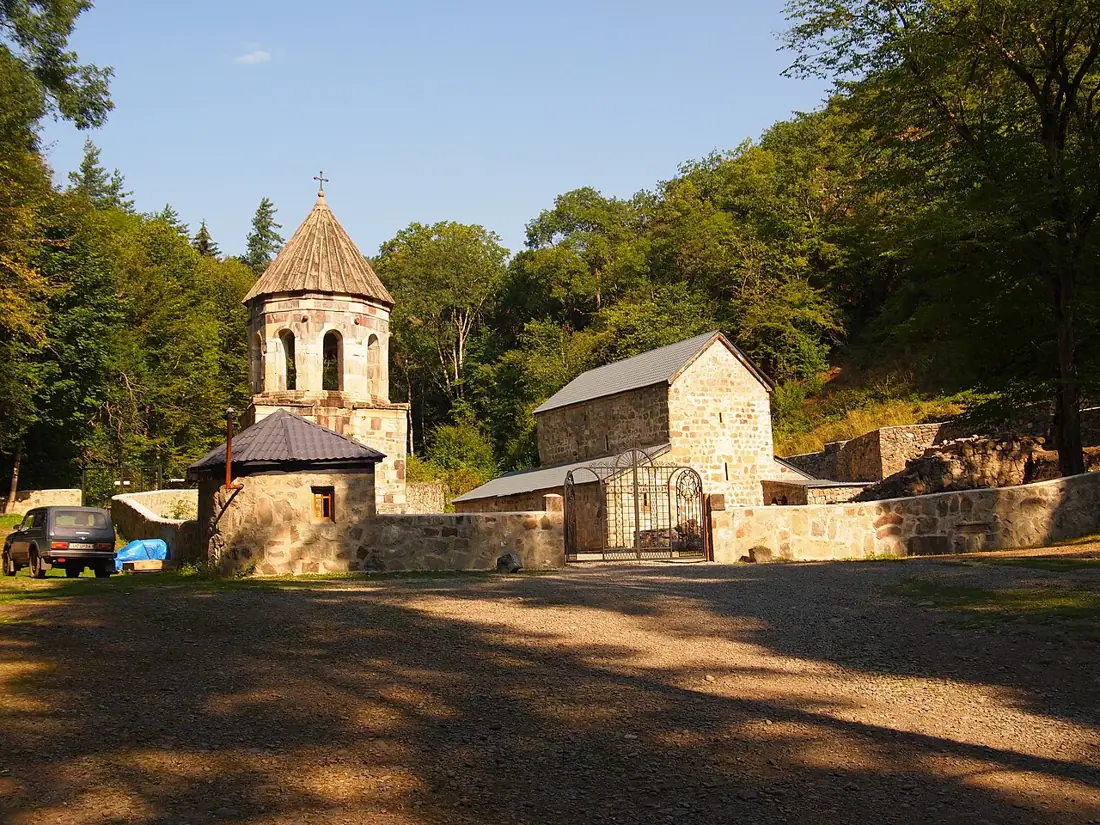
The Green Monastery (Chitakhevi St George)
A small monastery founded in the 9th century, hidden near Borjomi in a moss-covered forest gorge.
 Spa resort
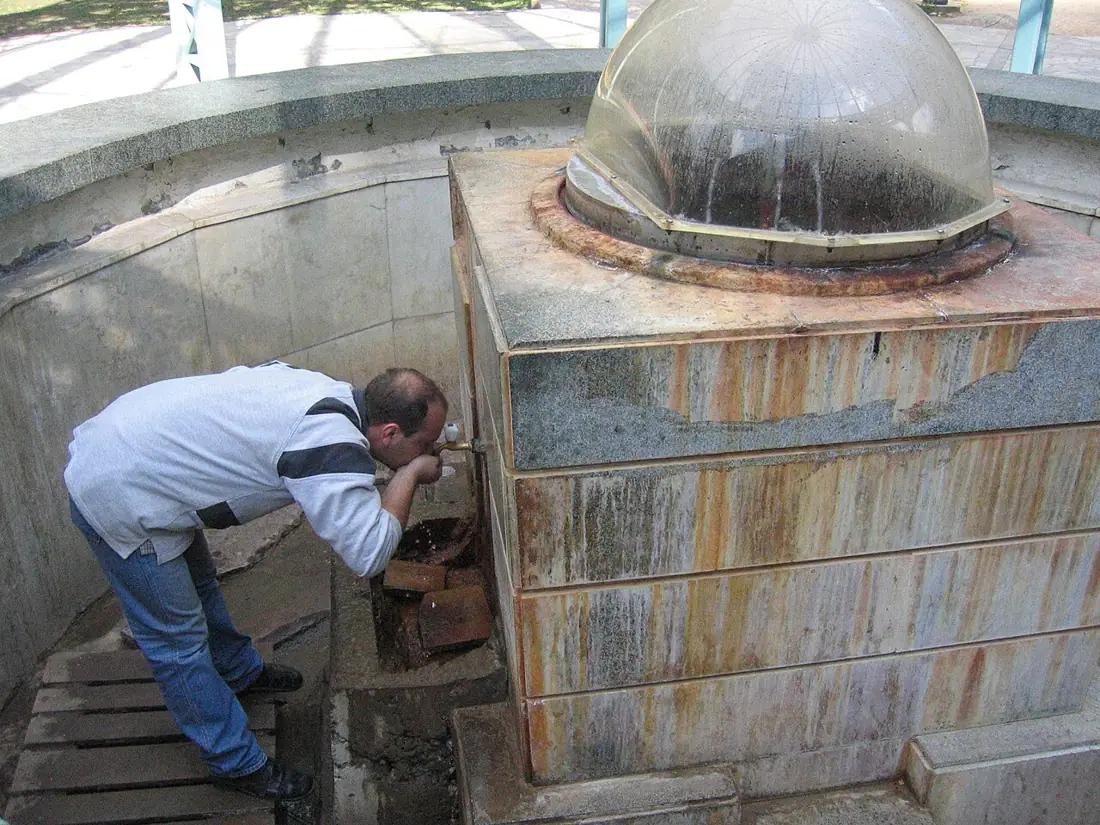
Borjomi Central Park and Mineral Springs
The historic spa park where you drink warm Borjomi water free, straight from the source.
 Monastery
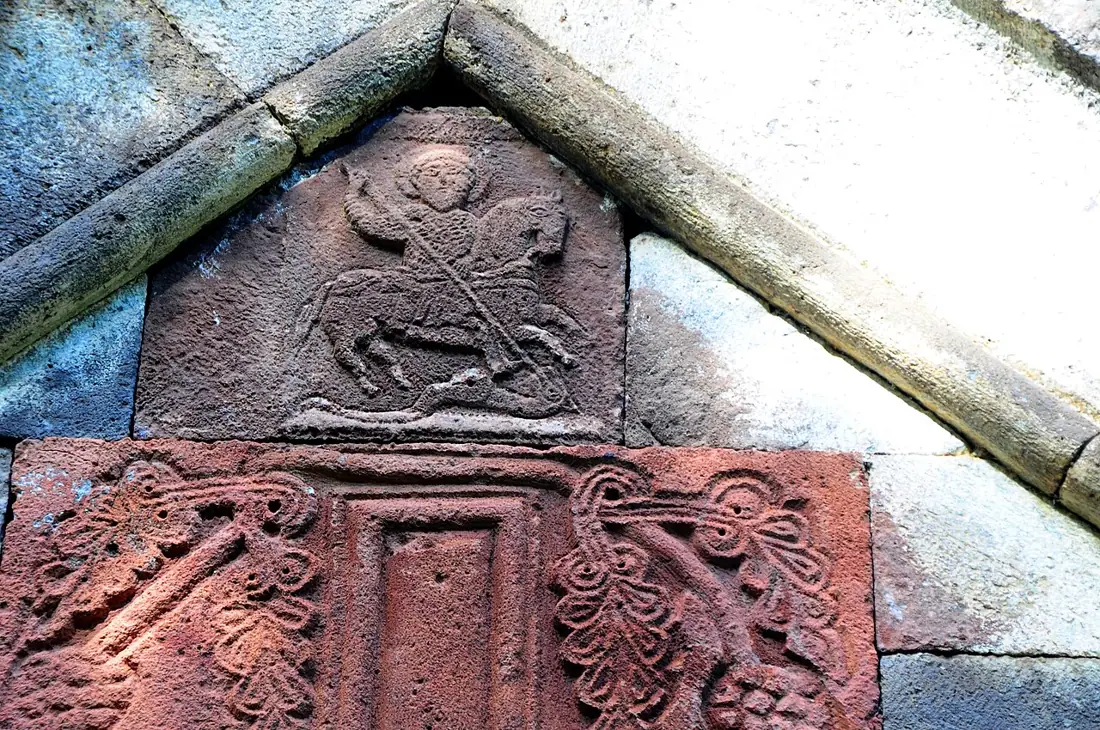
Sapara Monastery
An active monastery hidden on a cliff terrace near Akhaltsikhe, with 13th-century frescoes.
Booking and enquiries
This site is informational — there is no online payment. Call or email us to book.