
Nunisi
A tiny warm-sulphur resort deep in the forests of Borjomi-Kharagauli, where the water has been treating skin complaints since 1856.
- Time needed
- 4 h
- From Tbilisi
- 175 km · 2:50
- Road
- Mostly paved
- Car needed
- Economy class
- Season
- May–October
- Entry
- free
Nunisi owes even its name to the skin disease its water heals. The village was once called Munisi, from muni, the old name of a skin ailment its water was used to cure; over time the first letter slipped, and Munisi became Nunisi.
The spring's reputation is far older than any hotel. The Georgian National Tourism Administration dates its local fame to the 17th century, and in the 18th the prince and geographer Vakhushti Batonishvili recorded the water as pleasant and beneficial. Patients have been treated here since 1856, which makes Nunisi a resort of the imperial era rather than, as is often assumed, a Soviet creation. Tradition reaches back further still: the animals of King David the Builder — horses in one telling, pack donkeys in another — are said to have lain wounded in the warm water and risen with their sores healed, after which the king had a church built in the village. It is a legend, but a well-chosen one.
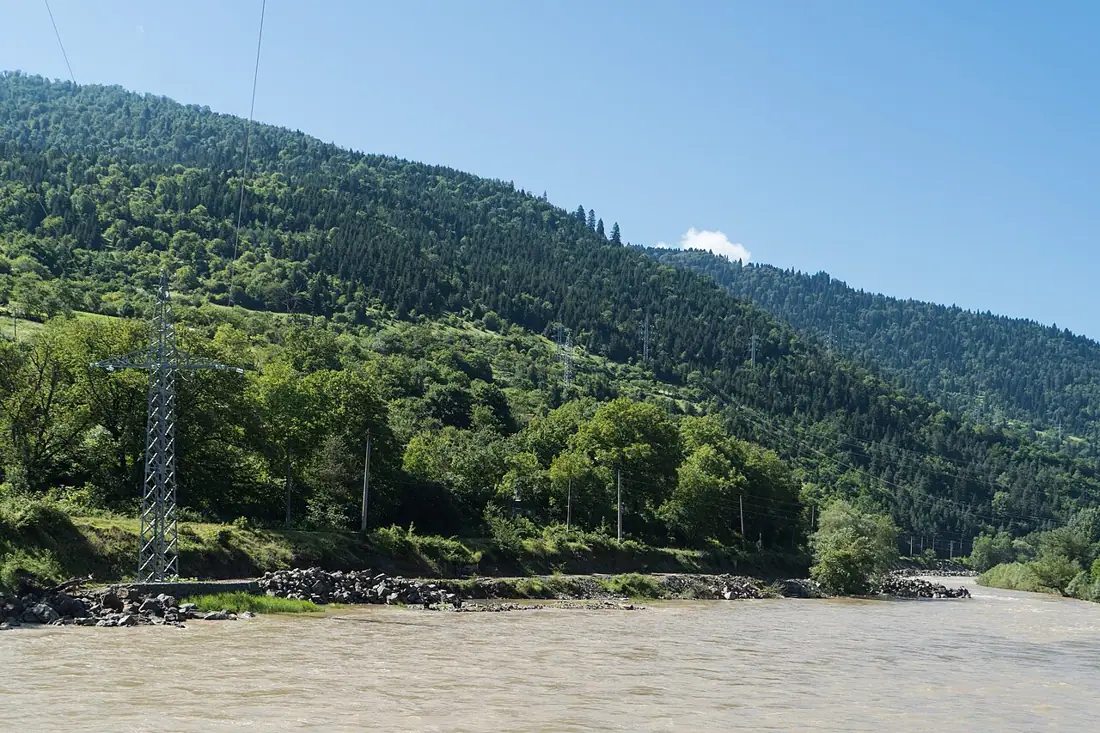
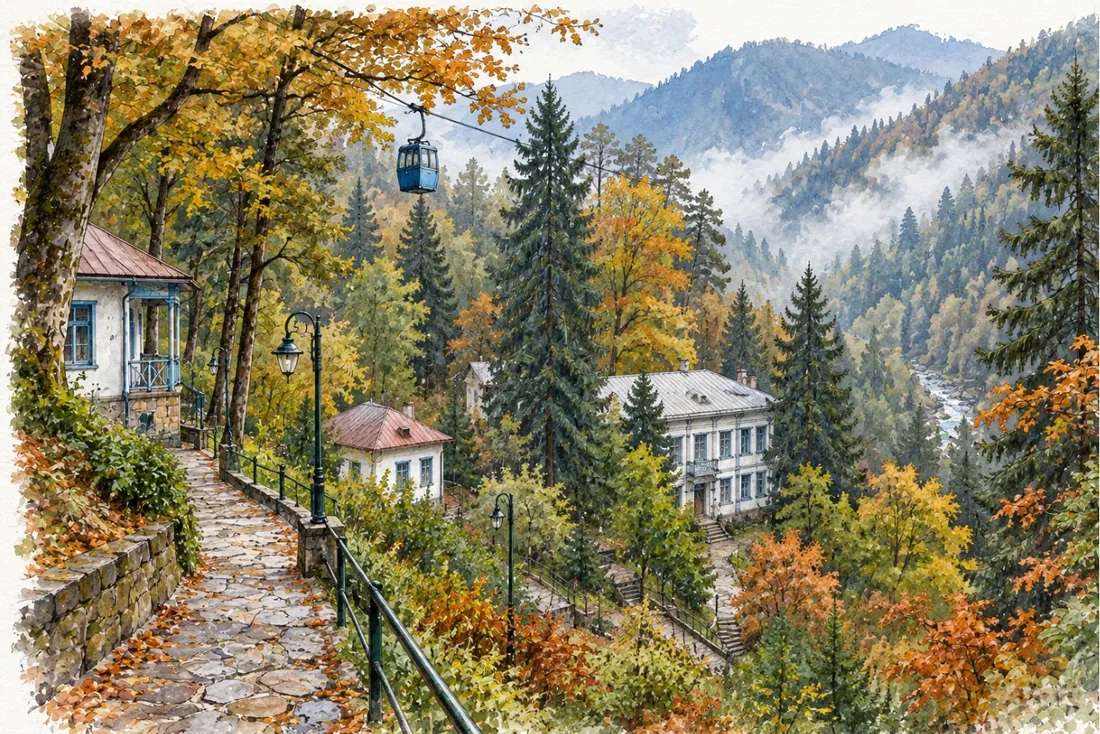
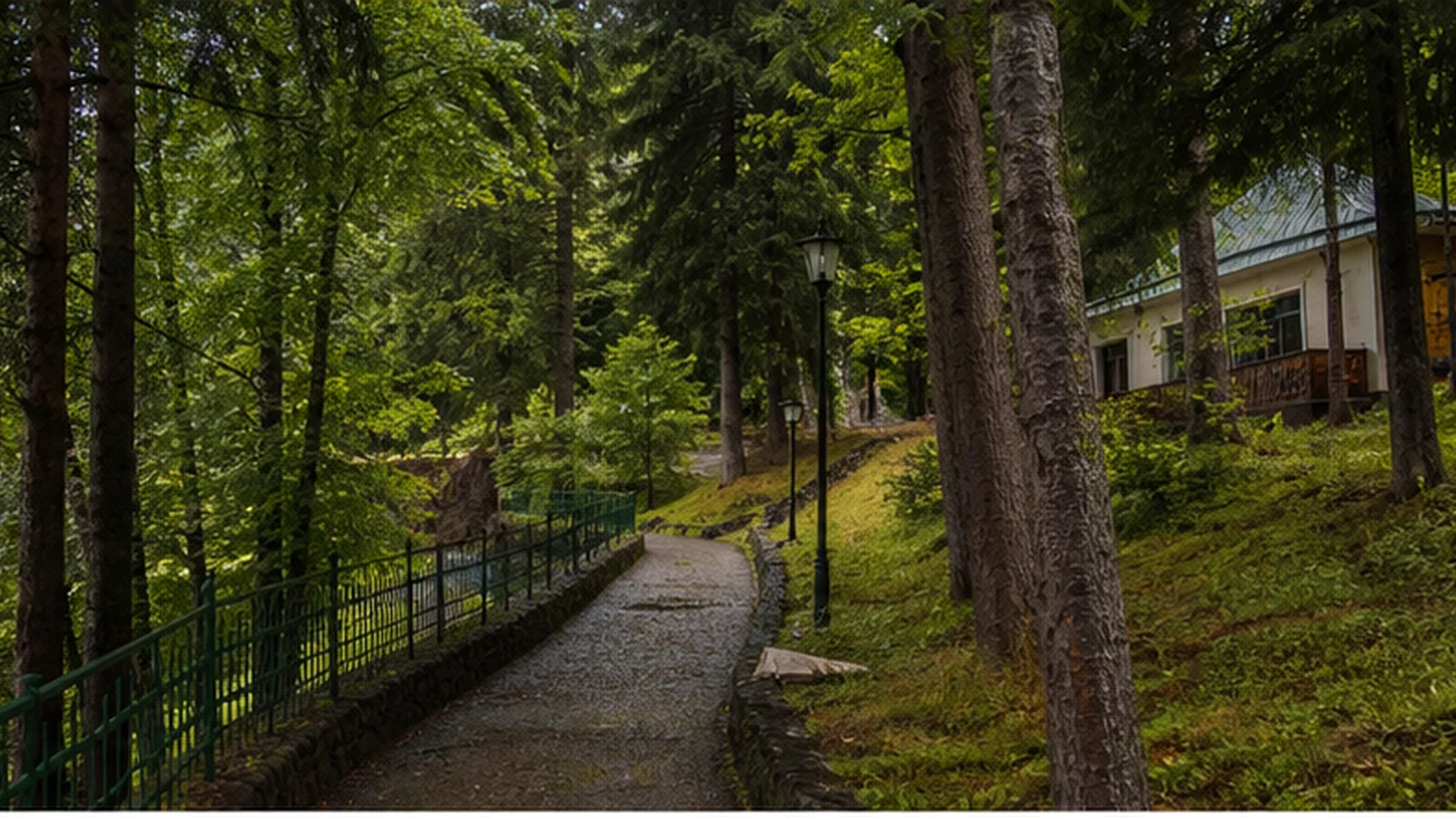
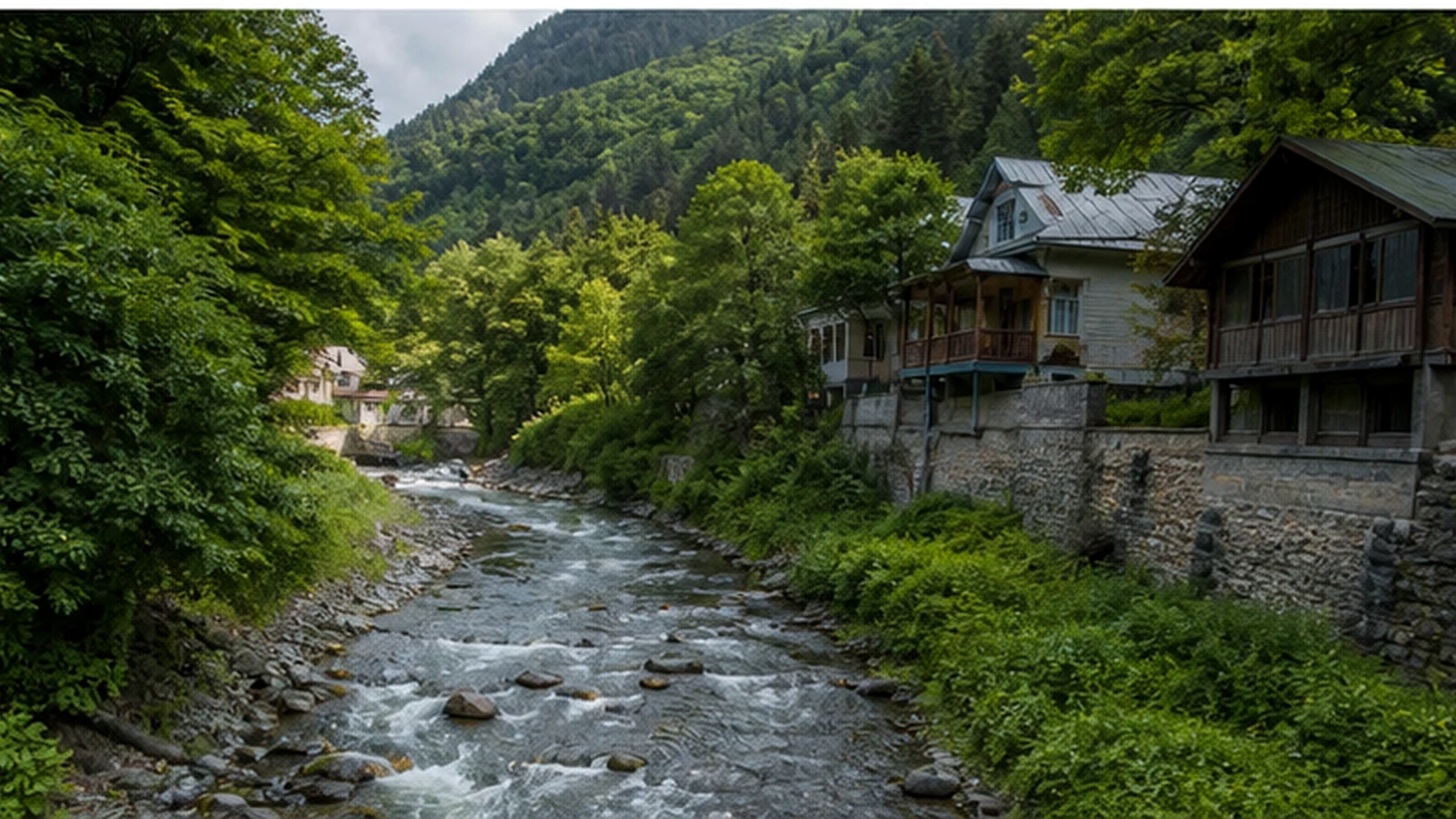
The water rises naturally warm and sulphurous from the Zvare source and is used both for drinking and for bathing, above all for skin conditions. The resort itself is modest: a forest hotel with a bath block and a few cottages at about 750 metres, while the village spreads higher up the northern slope of the Meskheti Range, to around 920.
The real luxury is the setting, in the southeastern corner of Borjomi-Kharagauli National Park. Spring brings the scent of flowering pine and fir; summer nights stay cool; paths lead straight into the woods. Nearby rises the Monks' Cliff, a cave complex where expeditions found a passage sealed by a boulder.
Nunisi is not built for a day trip. It is built for letting a week go quiet around you.
Gallery
Practical advice
Four hours is enough to see the place, but most people who make the effort stay at least a night. Baths and treatments are arranged through the resort, so book ahead and bring any medical notes you have; a skin condition is best discussed with your own doctor first. There is almost nowhere to eat outside the hotel — buy supplies in Kharagauli or Khashuri, and do not count on an ATM. Mobile signal can be patchy. On forest paths wear long trousers and closed shoes: ticks are active from late spring to autumn.
How to get there from Tbilisi
Nunisi sits about 24 km beyond Kharagauli by road. From Tbilisi, take the S1 (E60) west; the shorter approach leaves the motorway near Surami and follows the winding Sh55 west through Pona and Moliti, while the alternative runs through the Rikoti tunnel, down to Shorapani and back east through Kharagauli. Either way it is roughly 160–175 km and close to three hours. The last kilometres, on the side road down to the resort, are narrow and patched, with tight bends — fine for an ordinary car in dry weather, slower after rain. Fill up in Khashuri; there is no fuel in the forest.
Click a marker for details. Coloured lines are ready-made road trips.
Nearby places
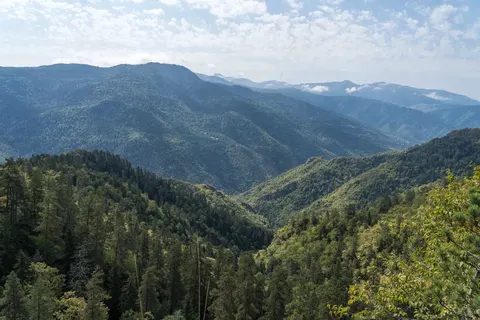
Borjomi-Kharagauli National Park
More than one per cent of Georgia under forest and meadow, crossed by marked trails with mountain shelters, beginning at the edge of Borjomi.
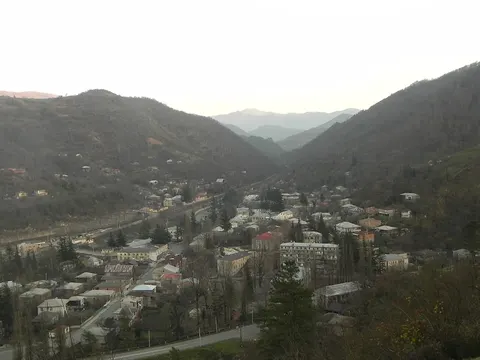
Kharagauli
A railway town in the deep Chkherimela gorge and the western doorstep of Borjomi-Kharagauli National Park — the beech forest begins where the platform ends.
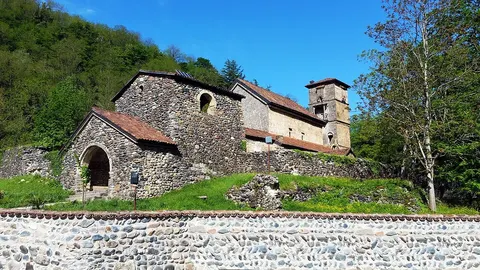
Ubisa Monastery
A 9th-century monastery in the Dzirula valley, with 14th-century frescoes and a tower-house of 1141 built by the kingdom's grand chancellor.
Best car for this trip
Mostly paved
Guides
- The Best Time to Visit Georgia, Counted Month by Month Georgia does not have one season. It has two countries: a 60% country from November to April and a 99% country
- Driving in Georgia: What the Distances Actually Cost You Georgia is a small country with slow roads. Here is what 267 measured drives from Tbilisi say about how long y
Pickup locations
Car Rental in Kutaisi — 67 km (straight line)