
Lailashi
A Lechkhumi hill village where Georgians, Jews, Greeks and Armenians once traded in one square, and where a 10th-century Hebrew Torah codex was found.
- Time needed
- 2 h
- From Tbilisi
- 315 km · 5:00
- Road
- Mostly paved
- Car needed
- Crossover / SUV
- Season
- May–October
- Entry
- free
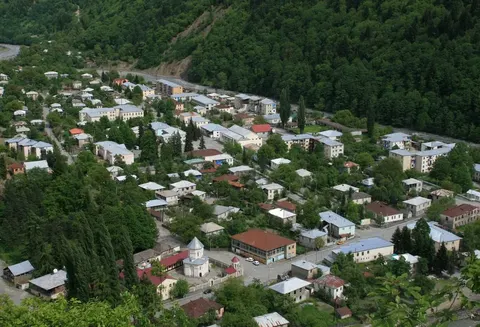
Lailashi was once a market town where four peoples haggled in a single square — and that square is still called Bazari.
The village lies at about 850 metres on the slope of the ridge between the Lajanuri and Askistskali rivers, 18 km from Tsageri. Tradition says Jewish and Armenian refugees climbed up here in the 16th century, fleeing Samtskhe-Javakheti after the Ottomans took Akhalkalaki. They are said to have arrived at night, and local lore hears the Hebrew laila, "night", in the village's name. By the first half of the 19th century Lailashi was Lechkhumi's chief trading post, home to Georgians, Jews, Greeks and Armenians.
Its most famous native is a book. In the 1940s a Hebrew Torah codex, the Five Books of Moses with their Masoretic notes, was found here; known as the Lailashi Bible, it is usually dated to the 10th century (some scholars argue for the 9th), has been in Tbilisi since 1957 and is now held by the National Centre of Manuscripts. The village's Christians left a treasure of their own, a Gospel book copied by local church servants, now in a Tbilisi museum. The soil gave up bronze axes of the 14th–13th centuries BC, now in the Hermitage in St Petersburg.
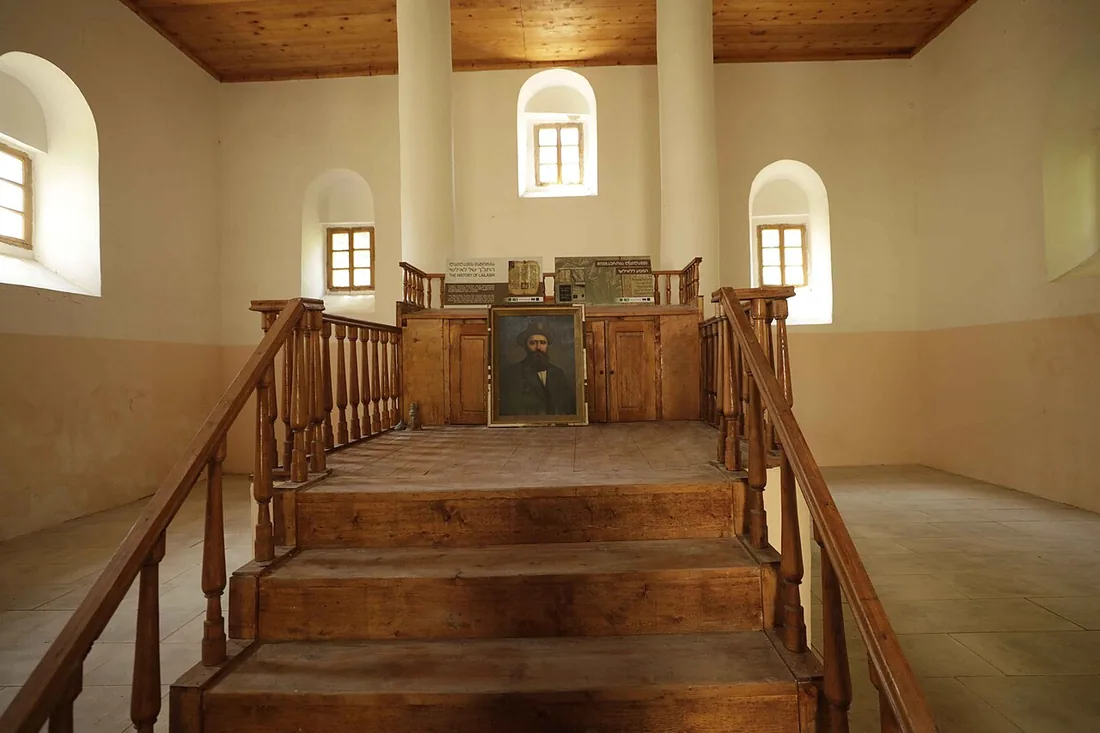
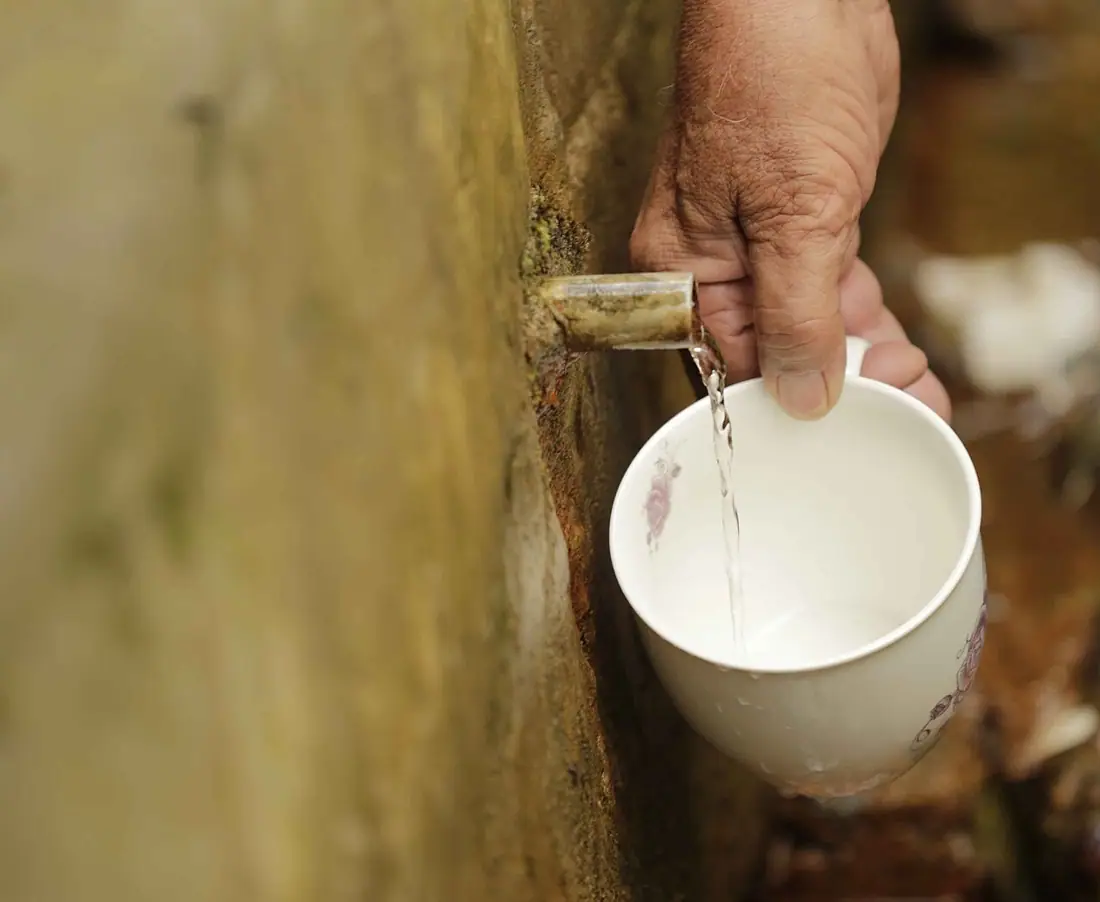
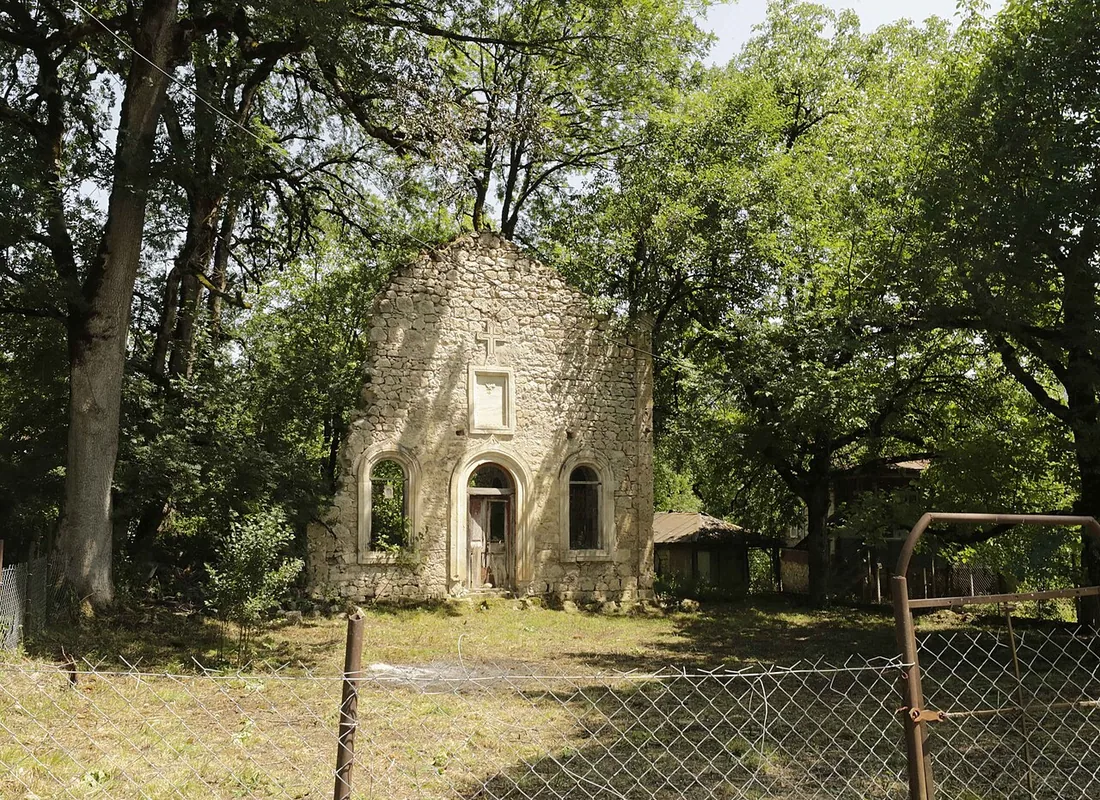
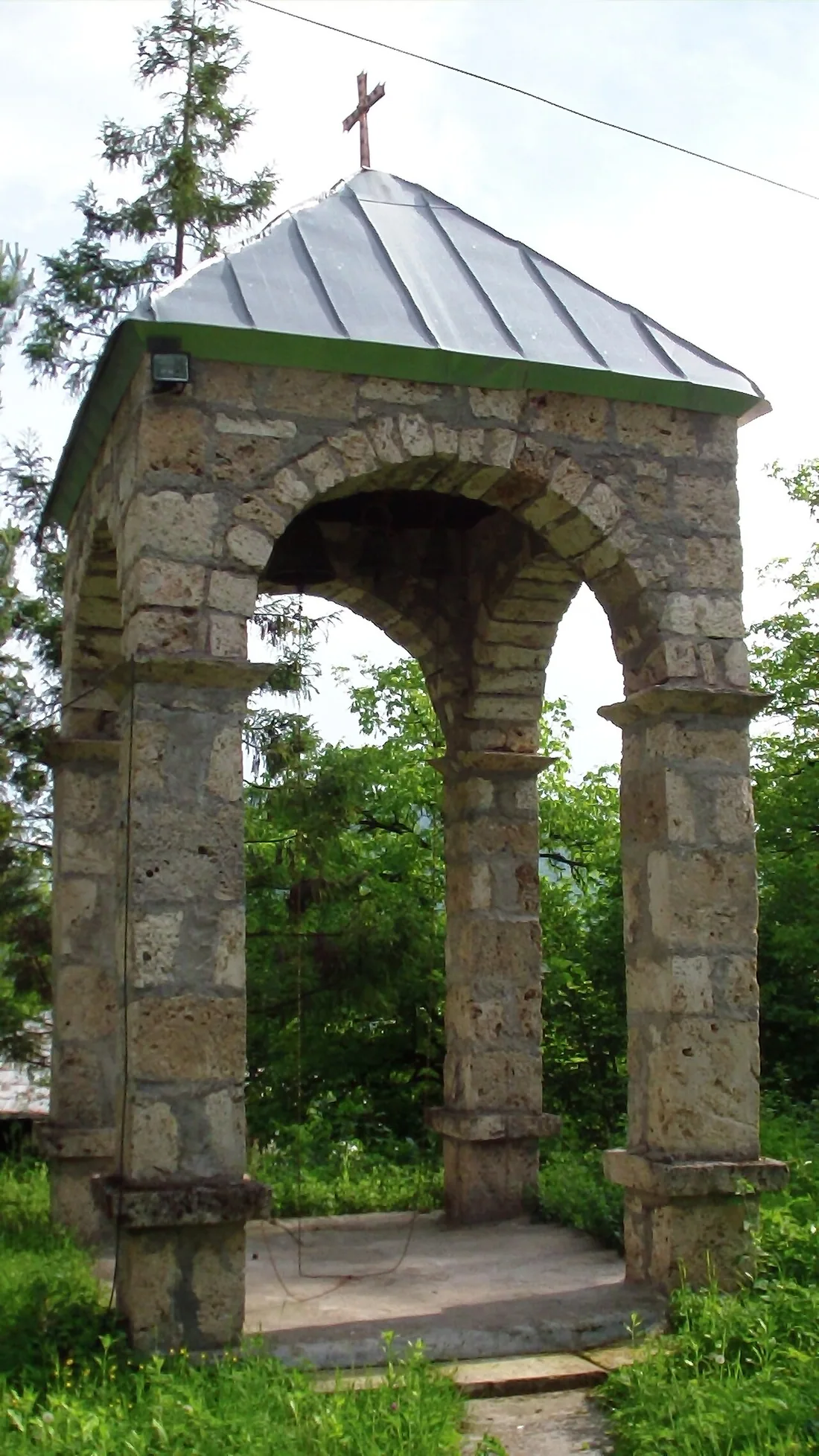
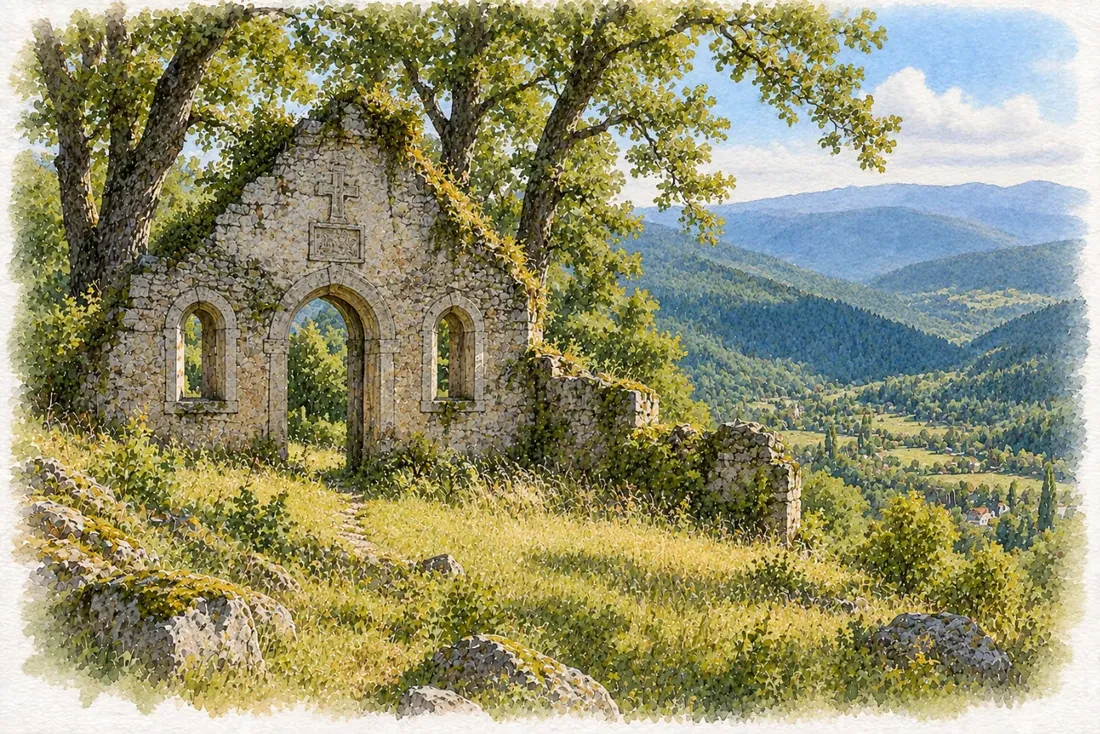
Walk it slowly. The synagogue still stands at Bazari; on the cemetery hill a hall church and its bell tower date from the early 19th century; the Armenian church is badly damaged. Finish at Okronishi, the spring pool built by the Jewish villagers, with the Lajanuri reservoir spread out below. Film lovers may recognise the lanes: about 30 per cent of the Georgian classic Me, Grandma, Iliko and Ilarion was shot in Lailashi.
In the winter of 1904 fire ran through the close-packed wooden houses and destroyed 150 of them. Eight years later Akaki Tsereteli ended his journey through Racha and Lechkhumi here, and the villagers presented the old poet with a silver walking stick. Lailashi has always known how to rebuild a house, and how to receive a guest.
Gallery
Practical advice
Lailashi has no café, fuel station or cash machine, so bring water and a picnic from Tsageri. Some buildings may be locked: ask politely in the village rather than trying doors. Walk quietly in the Jewish cemetery and cover your shoulders in the church — this is a place of memory, not a film set. Mornings give the clearest view over the Lajanuri valley; summer middays are hot on the open slope. Lailashi pairs naturally with the Sairme pillars and Muri fortress, both a short drive away, for a full Lechkhumi day.
How to get there from Tbilisi
From Tbilisi take the E60 (S1) west to Kutaisi, then the Sh16 north towards Alpana and, just before it, the Sh18 towards Tsageri; a short serpentine climbs from that road up to the village. It is about 315 km — allow five hours. The asphalt runs all the way, but on the final climb it is broken in places: an economy car manages in dry weather, while after rain an SUV is the calmer choice, which is why we recommend one. Refuel in Kutaisi or Tsageri; there is nothing in Lailashi itself.
Click a marker for details. Coloured lines are ready-made road trips.
Nearby places
Sairme Pillars
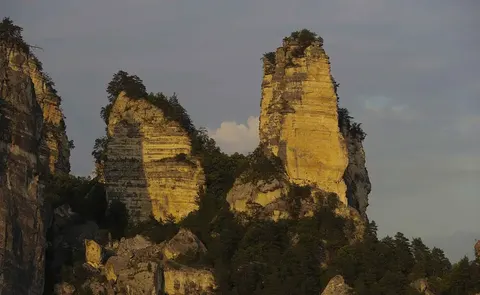
Limestone pillars rising from Lechkhumi's forest above the Rioni gorge: a three-kilometre trail, a medieval church ruin and, very likely, no one else.
Tsageri and Lechkhumi
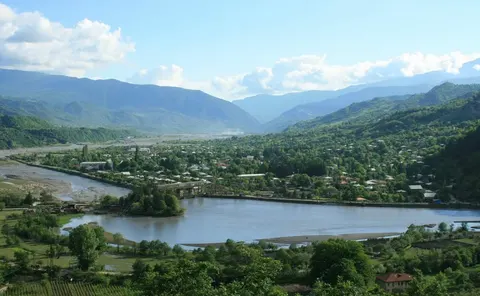
Lechkhumi's quiet capital on the Tskhenistskali: a bishop's town, a saint's grave beneath Muri fortress, and Usakhelouri, the wine called 'nameless'.
Muri Fortress
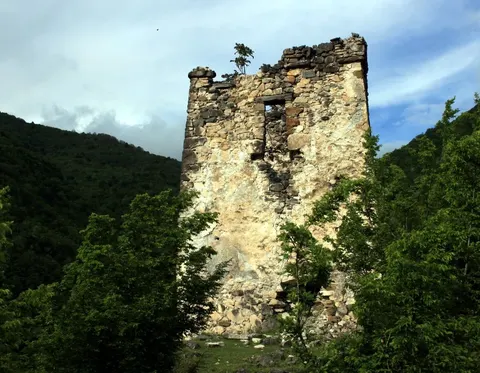
Lechkhumi's cliff-top stronghold above Tsageri, with towers named like battle cries and, by tradition, the grave of Maximus the Confessor.
Lentekhi
The quiet centre of Lower Svaneti in the Tskhenistskali valley: Svan towers, beech forest, and a town fountain that never got its goddess.
Best car for this trip
Mostly paved
Guides
- The Best Time to Visit Georgia, Counted Month by Month Georgia does not have one season. It has two countries: a 60% country from November to April and a 99% country
- Driving in Georgia: What the Distances Actually Cost You Georgia is a small country with slow roads. Here is what 267 measured drives from Tbilisi say about how long y
Pickup locations
Car Rental in Kutaisi — 40 km (straight line)
Booking and enquiries
The easiest way to reach these places is by car — you pick the route and the stops.