
Grigoleti
A quiet shore village of dark magnetic sand and pines, with the Kolkheti wetlands pressing right up behind the beach.
- Time needed
- 4 h
- From Tbilisi
- 305 km · 4:00
- Road
- Paved
- Car needed
- Economy class
- Season
- June–September
- Entry
- free
Grigoleti is the beach you choose when Ureki, six kilometres south, is too loud. The sand is the same — dark, rich in magnetite, hot enough by noon to make you hop — and the sea shelves just as gently, but the evenings belong to the marsh, not to loudspeakers.
The village is older than it looks. In 1614 two Jesuit missionaries stepped ashore here on their way to Mamia II Gurieli; in 1805 a Russian officer, Lashkarev, came looking for a winter anchorage, walked the open shore and wrote it off as unfit for ships. The pines that soften it today came much later, planted after a 1949 decision to turn the coast into a resort strip.
Turn your back on the sea and you face the other Grigoleti. Across the road begin the Kolkheti wetlands, Ramsar-listed since 1996 and, since 2021, part of the UNESCO World Heritage site Colchic Rainforests and Wetlands. One of their named peat bogs is called Grigoleti; the peat here has been building for thousands of years. In practice: - birds: in spring and autumn raptors, cranes and ducks pass along the coast - mosquitoes: on summer evenings repellent is not optional - air: humid and soft, smelling of resin and marsh
About two and a half kilometres south, the Supsa — Pliny's river Mogrus — slides into the sea. Grigoleti offers no rides and no nightlife. What it has is dark sand cooling underfoot after sunset, the smell of resin and marsh, and a shore quiet enough to hear every wave. That is exactly why people come.
Practical advice
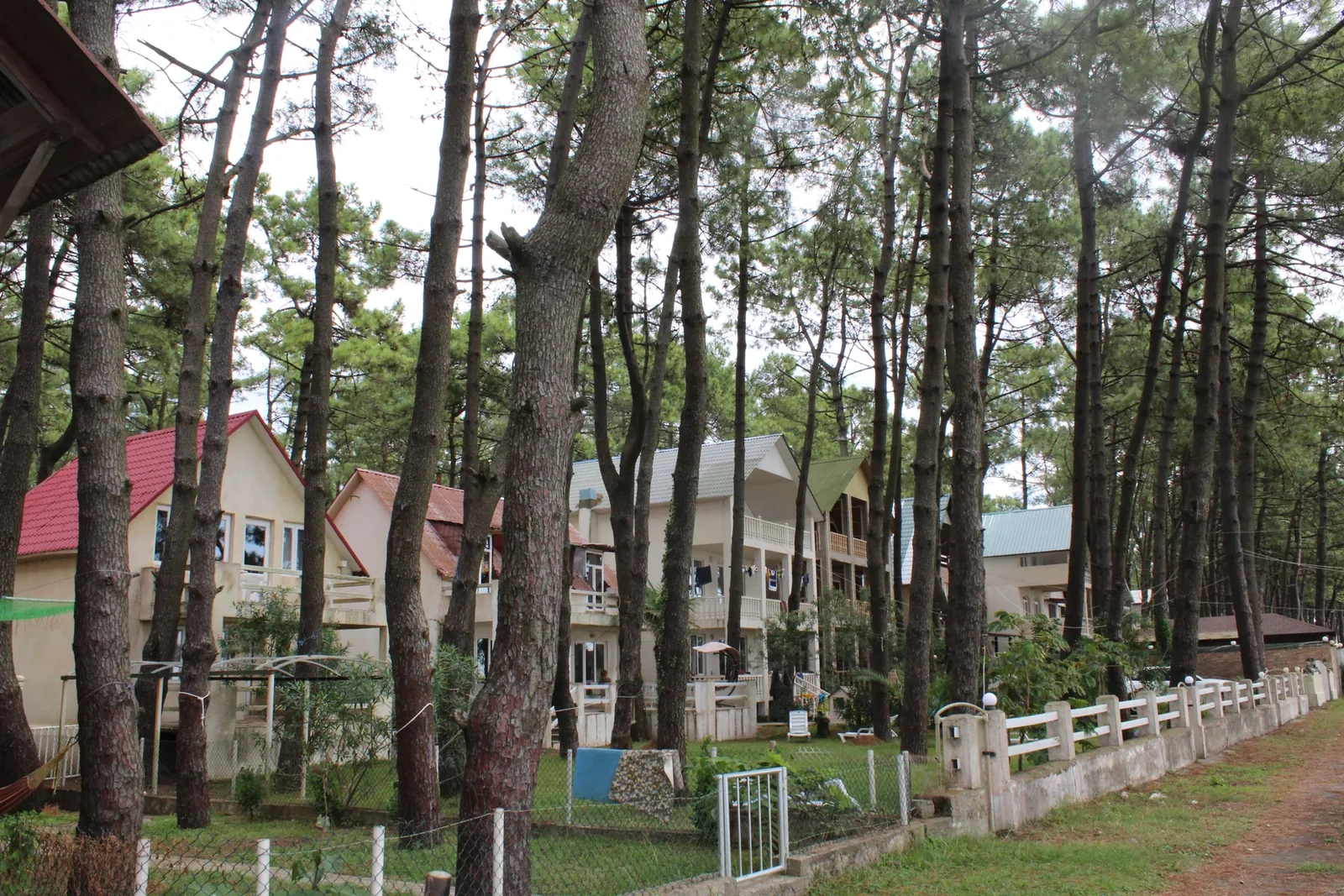
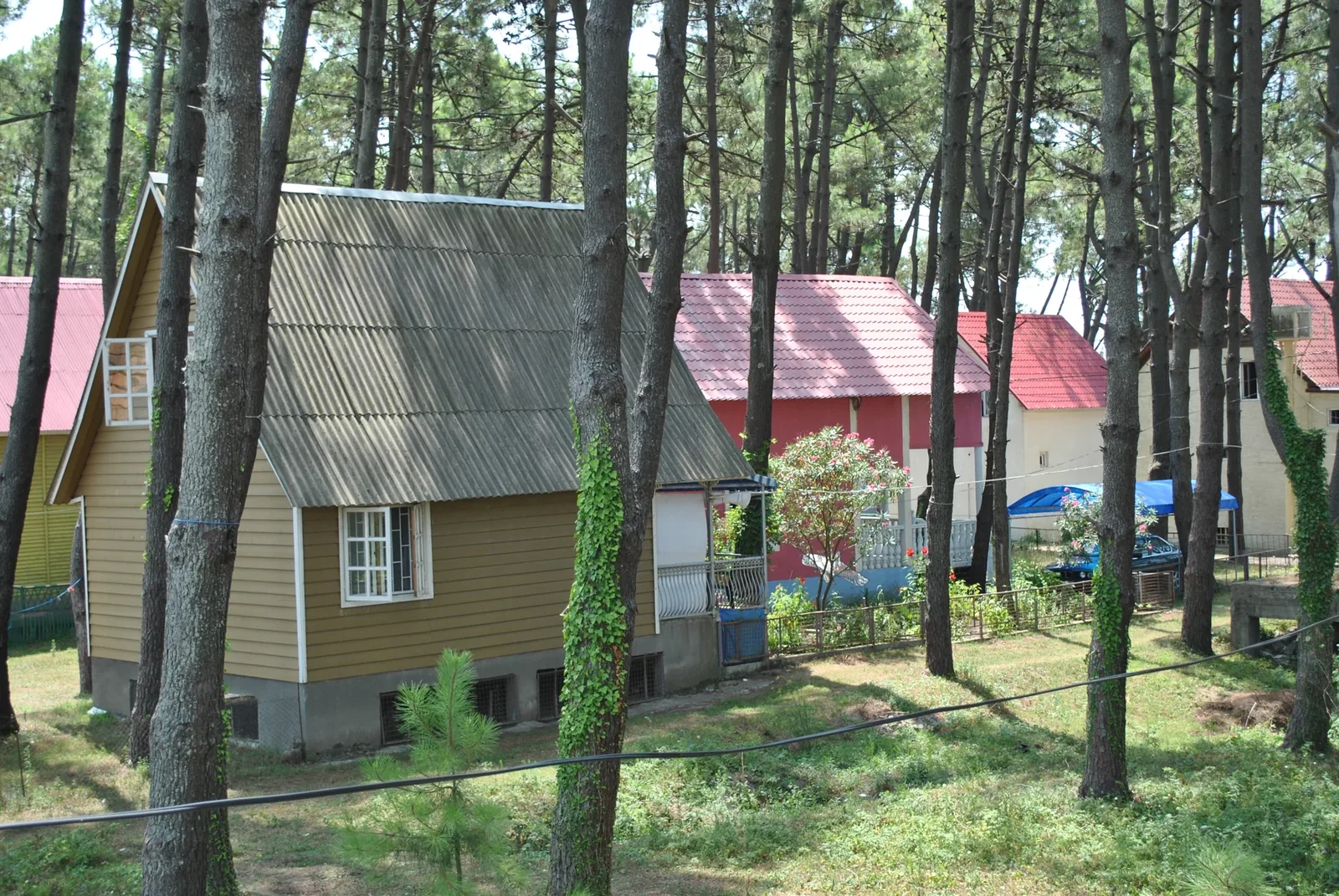
Half a day for a swim, or several slow nights. In July and August bring strong repellent and check that your room has window screens. Shops are few, so stock up in Lanchkhuti or Ureki. Showers and toilets belong to the guesthouses; the beach itself is almost bare, with shade only under the pines. The sand scorches by midday, so bring sandals. Birdwatchers should come in April–May or September–October, early in the morning, with binoculars. Do not wander into the marshes alone: there are no paths.
How to get there from Tbilisi
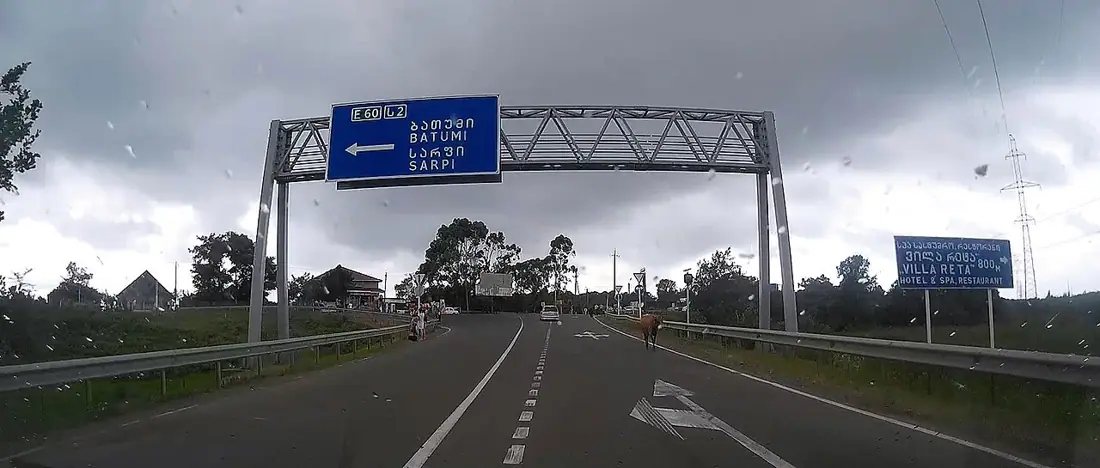
From Tbilisi take the S1 (E60) west past Kutaisi to Samtredia, then the S12 south-west through Lanchkhuti; the road ends at the sea in Grigoleti — 305 km, about four hours. It is asphalt all the way: fast, largely dual carriageway to Samtredia, then two lanes through villages, where cattle and slow tractors set the pace. Fuel in Lanchkhuti, and on the coast road at Ureki. Park at your guesthouse or on the village streets, free of charge. An economy car is all you need.
Click a marker for details. Coloured lines are ready-made road trips.
Nearby places
Ureki
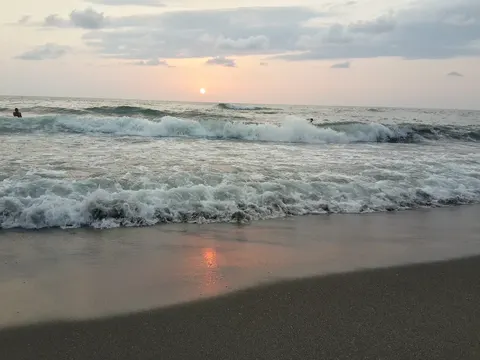
Black, magnetite-rich sand, a belt of pines and a sea that stays shallow far from shore: Ureki is Georgia's classic family beach on the Guria coast.
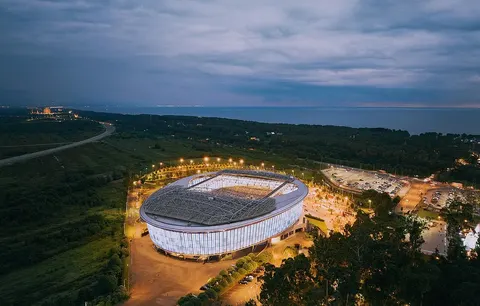
Shekvetili and the Black Sea Arena
A pine-shaded beach village between Ureki and Kobuleti, home of the Black Sea Arena: 9,000 seats under a roof that opens to the sky.
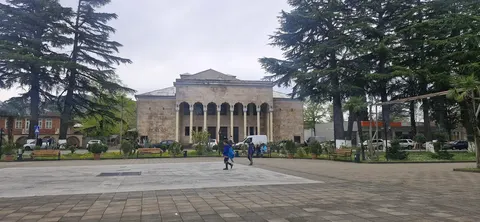
Lanchkhuti
Guria's northern gateway: birthplace of Noe Zhordania, a hotbed of the 1905 peasant revolt, and the last big stop before the sea.
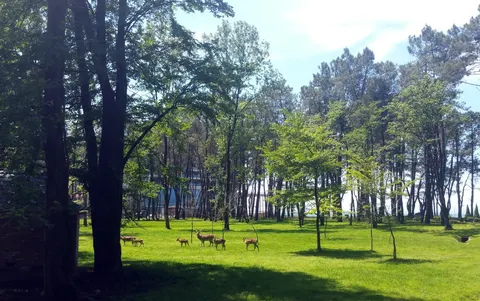
Shekvetili Dendrological Park
Sixty hectares of relocated giants by the sea: old trees brought here by road and barge, with flamingos standing in the lake between them.
Best car for this trip
Guides
- The Best Time to Visit Georgia, Counted Month by Month Georgia does not have one season. It has two countries: a 60% country from November to April and a 99% country
- Driving in Georgia: What the Distances Actually Cost You Georgia is a small country with slow roads. Here is what 267 measured drives from Tbilisi say about how long y
Pickup locations
Car Rental in Batumi — 45 km (straight line)