Lisi Lake
A lake on the plateau northwest of the city with a path all the way round — where Tbilisi goes running.
- Time needed
- 2 h
- From Tbilisi
- 12 km · 0:25
- Road
- Paved
- Car needed
- Economy class
- Season
- May–October
- Entry
- free
Lisi is the city's lake rather than a visitor attraction. It sits on the plateau behind Saburtalo, some two hundred and forty metres above the centre, twenty-odd minutes' drive away — but the air, the wind and the view are already different up there.
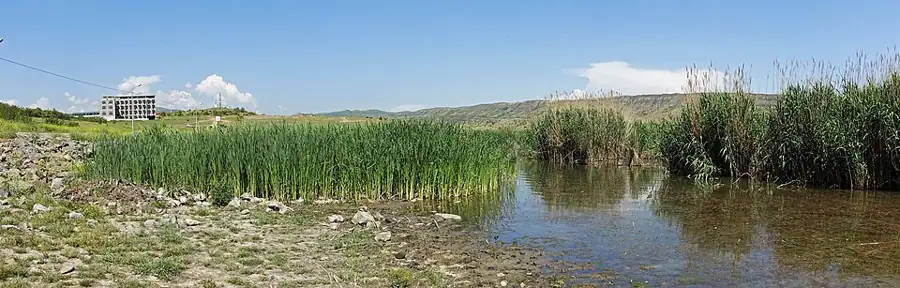
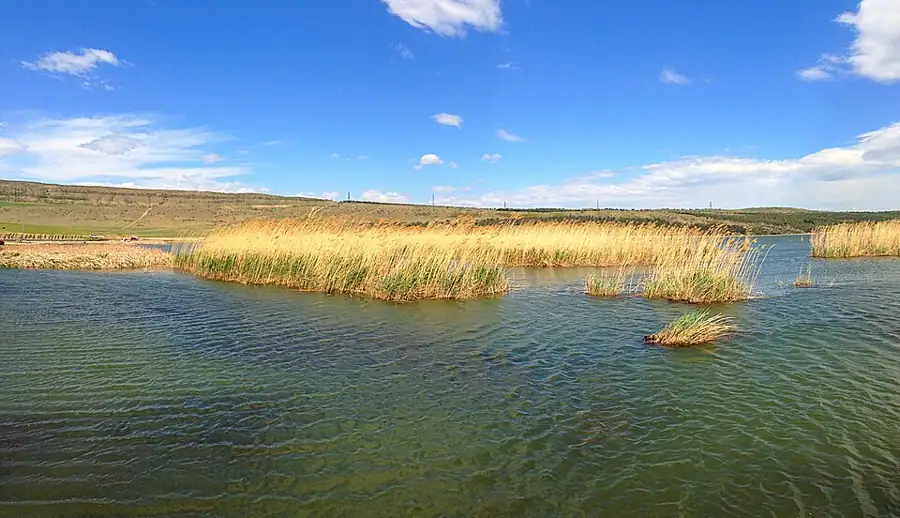
The lake itself is small and natural, and a surfaced path of about three and a half kilometres runs the whole way round it. The path is the point. Mornings and evenings it fills with runners, cyclists, pushchairs and dogs, and a full circuit at a gentle pace takes around forty minutes.
What is there:
-
several cafes on the south shore with open terraces
-
outdoor gym equipment and bicycle hire
-
horses for rides up onto the surrounding hills
-
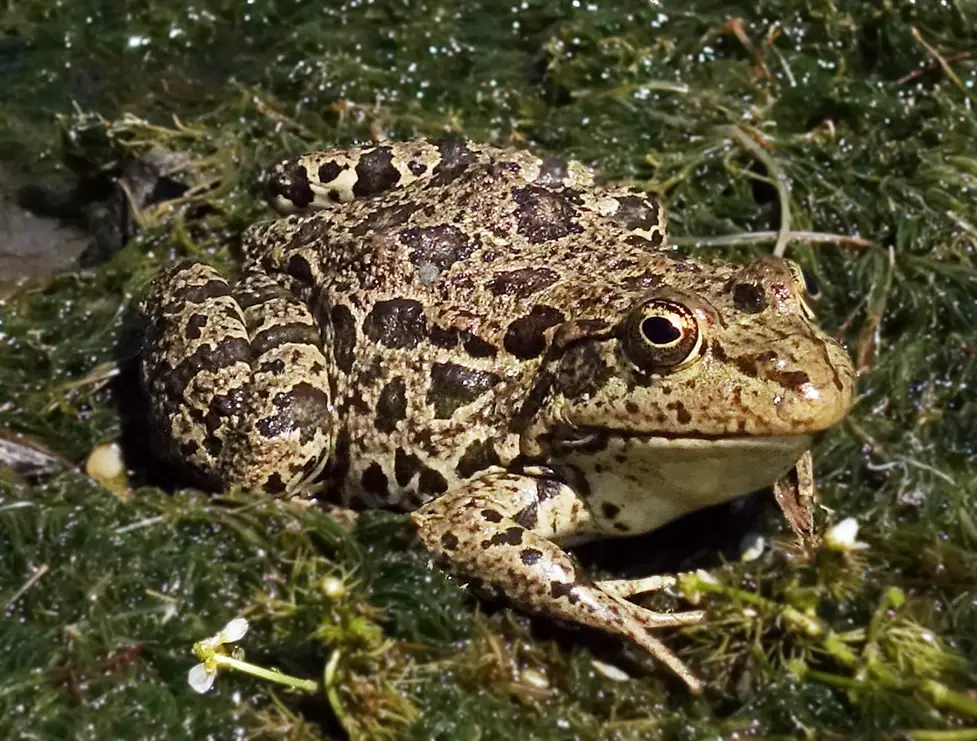
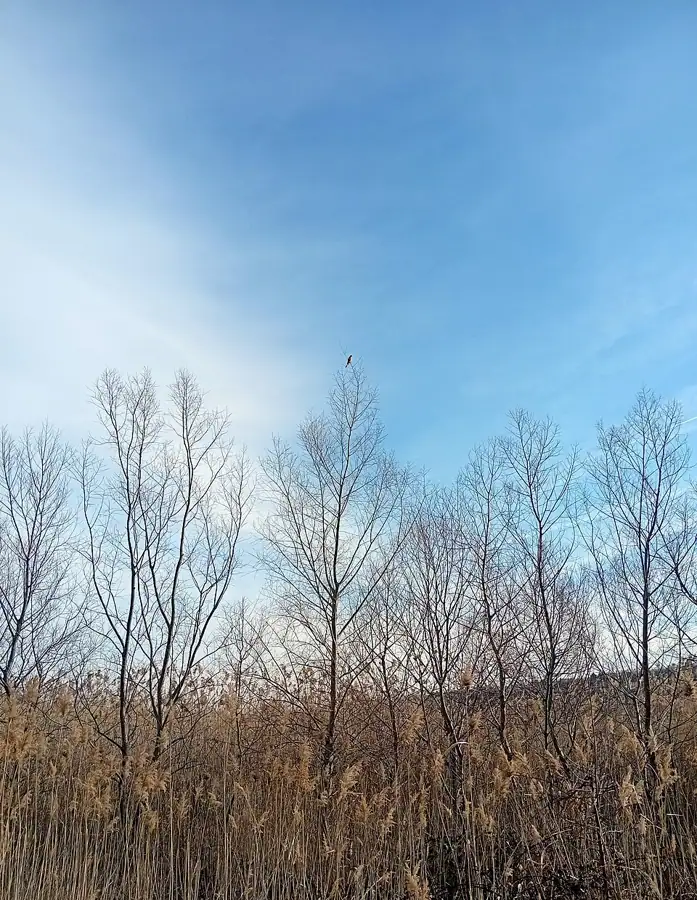
water birds, ducks and herons, and terrapins on the bank in summer
Be clear about one thing: this is not a swimming lake. The water is silty and weedy and the margins are muddy; people who want to swim use the pools at the clubs beside it.
In clear weather, particularly after rain or on a cold winter day, the snow line of the Greater Caucasus appears along the northern horizon. That is probably the best single reason to come up.
Over the last decade a new residential district has taken the eastern side, and it is no longer wild ground. The western shore is still open and grassy, and that is the half worth walking.
The lake is fed by rain and snowmelt and drops noticeably by late summer, leaving a wide band of mud around the edge in August. In exchange, May covers the plateau in wildflowers and opens the tracks up onto the hills behind: fifty minutes of walking from the shore puts you on the crest, with the city on one side and empty, treeless ridges on the other. That combination — a city view and genuine emptiness within the same hour — is rare this close to Tbilisi.
Gallery
Practical advice
Two hours covers a full circuit and a stop for coffee. The path is flat and entirely manageable with a pushchair or wheelchair. There is almost no shade, so in summer come early or after six and carry water. The wind is stronger than in the city and genuinely cold in winter. Toilets are in the cafes. Weekends are busy from late morning; a Monday can be nearly empty, which many people prefer.
How to get there from Tbilisi
From the centre take Vazha-Pshavela Avenue and then Tamarashvili Street up, or come over the Nutsubidze plateau — 12 km, about twenty-five minutes. The road is asphalt throughout; the last few kilometres climb in bends but present no difficulty. There is a large free car park at the southern entrance, empty in the morning and full by midday at weekends, plus a smaller one on the eastern side. Fill up on Vazha-Pshavela, as there is no fuel station up on the plateau. An economy car is entirely sufficient.
Click a marker for details. Coloured lines are ready-made road trips.
Nearby places
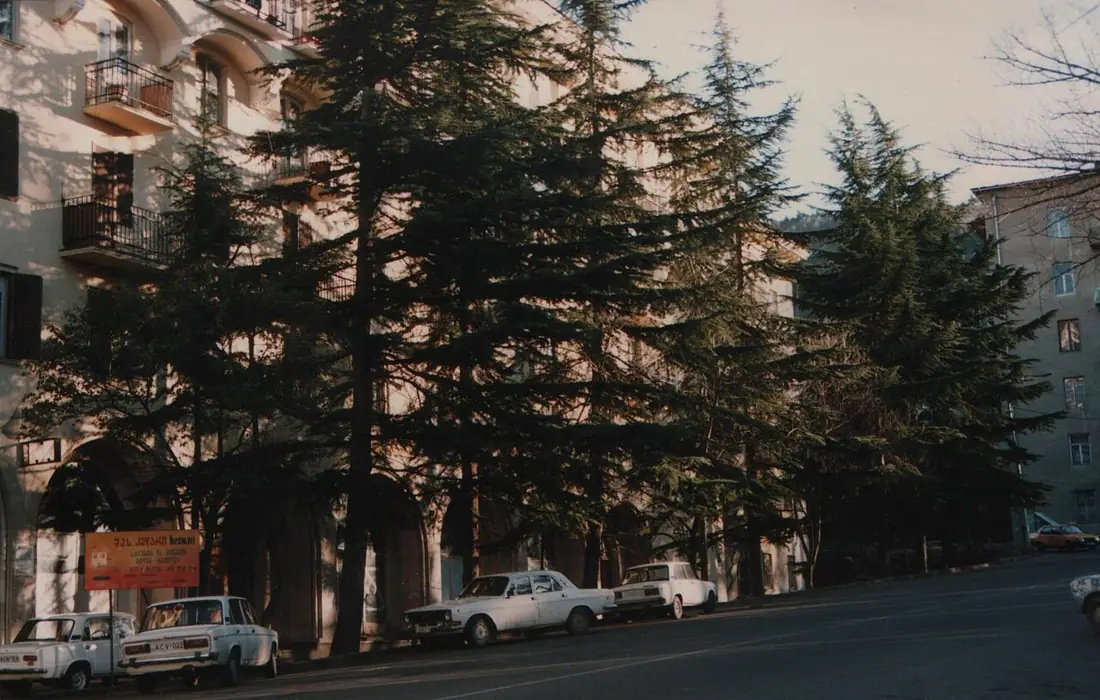 Lake
LakeTurtle Lake and Vake Park
The city's green axis — from Vake Park up by cable car to Turtle Lake, where Tbilisi actually relaxes.
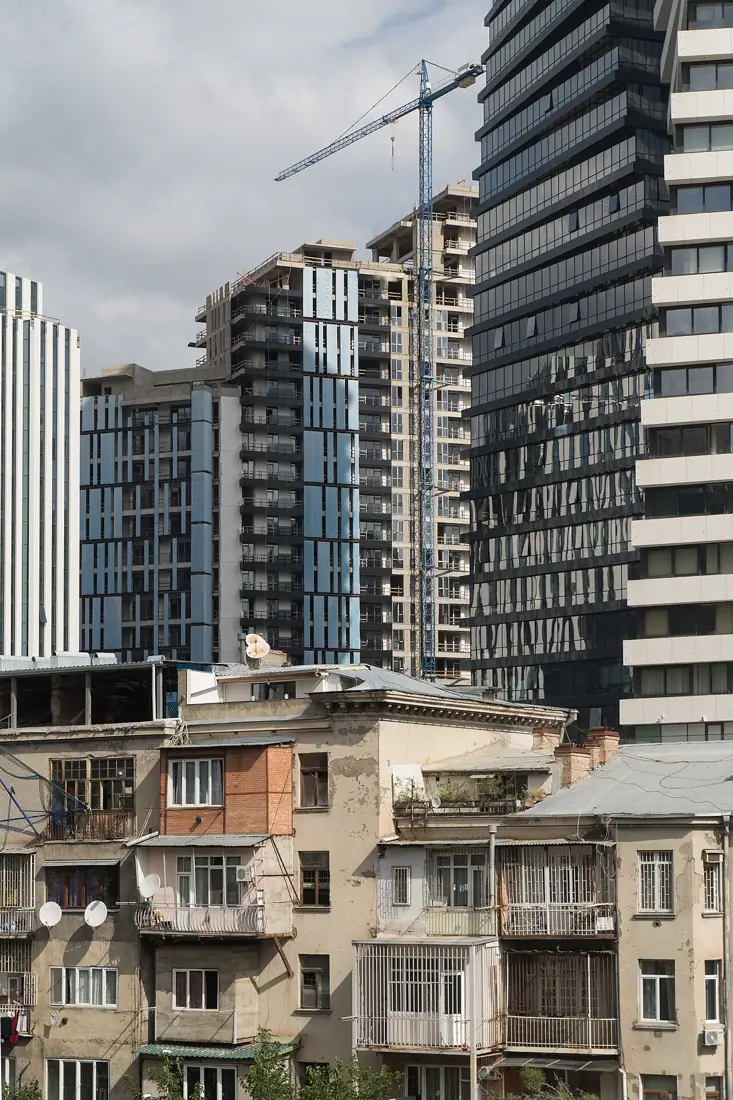 Museum
Open Air Museum of Ethnography
A village of authentic houses from every Georgian province, rebuilt on the wooded slope below Turtle Lake.
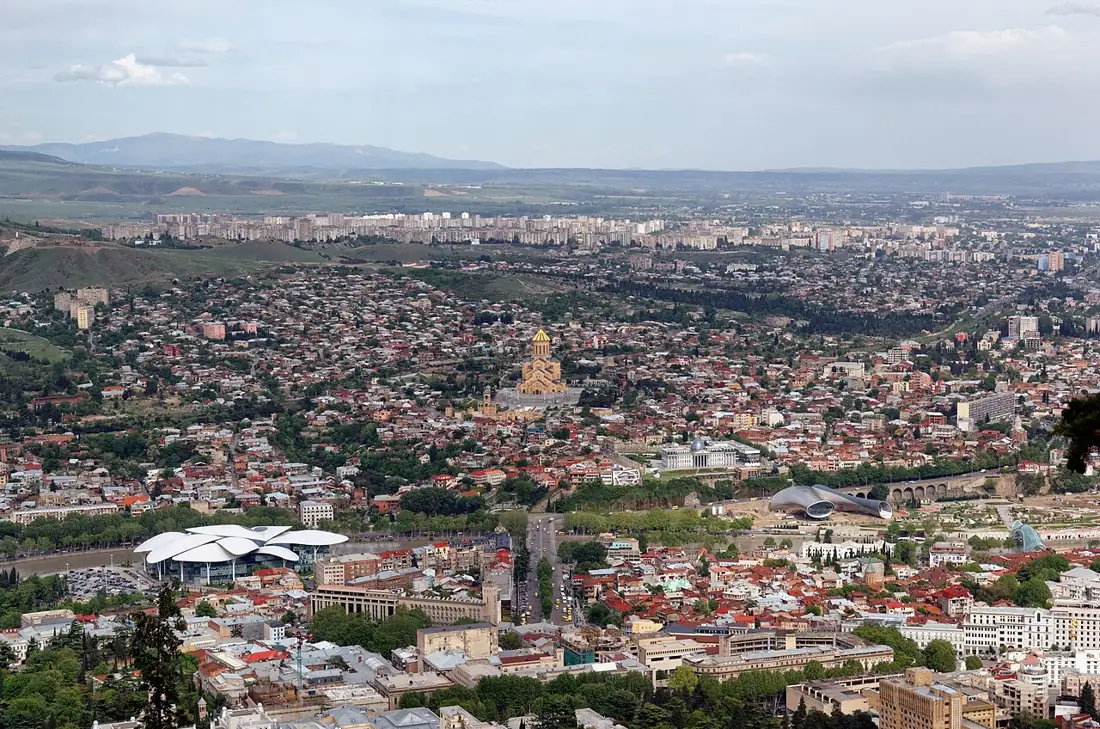 Nature
Mtatsminda Park and Funicular
A hilltop amusement park above the city, reached by a 1905 funicular, with the widest panorama of Tbilisi.
 Museum
The Chronicle of Georgia
Tsereteli's colossal bronze pillars above the Tbilisi Sea — the city's most cinematic sunset viewpoint.