Juta and the Chaukhi Massif
One of Georgia's highest inhabited villages at 2,150 metres, under the pale rock wall of the Chaukhi ridge.
- Time needed
- 6 h
- From Tbilisi
- 165 km · 3:45
- Road
- 4x4 only
- Car needed
- Off-road 4x4
- Season
- June–September
- Entry
- free
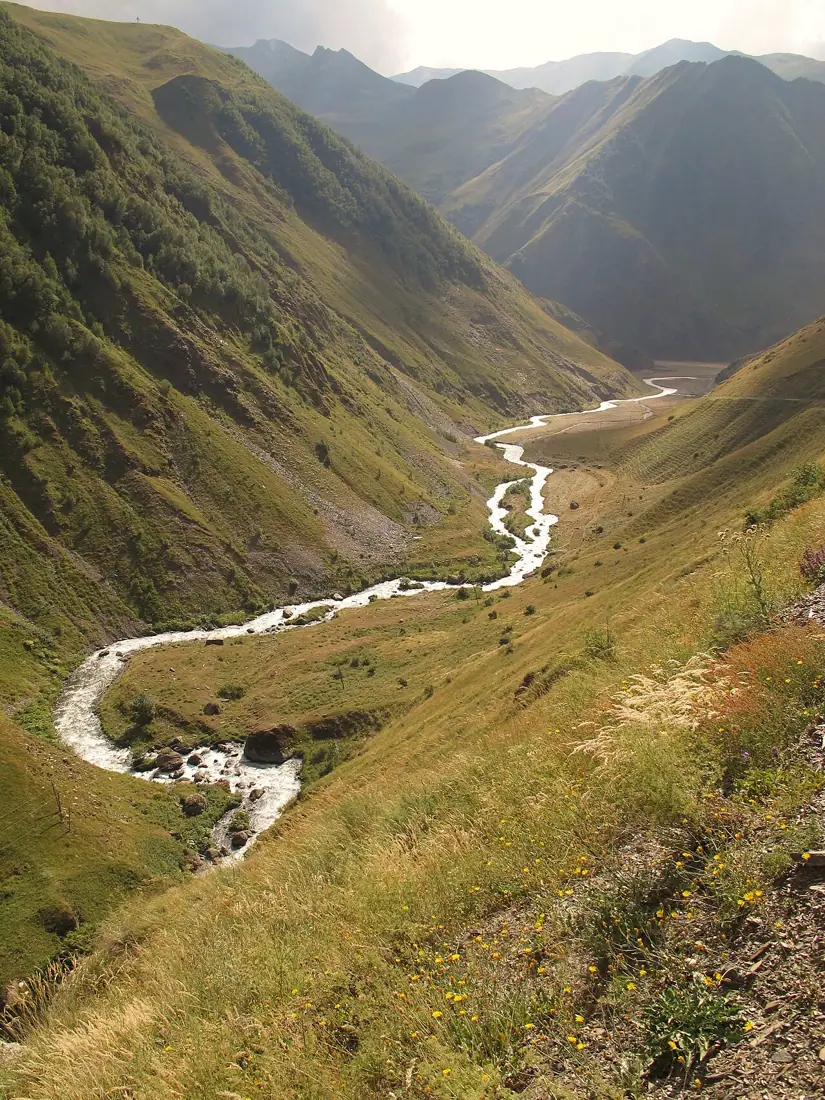
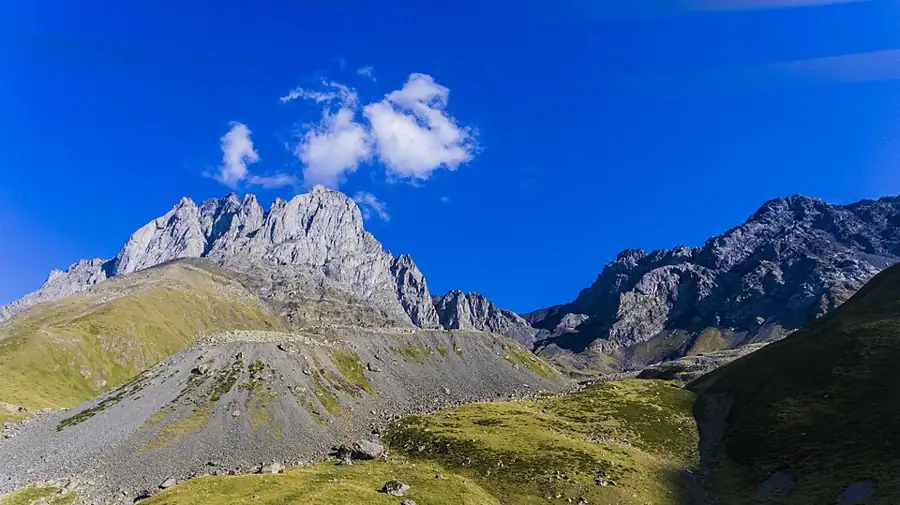
Juta sits at 2,150 metres at the head of the Sno valley, under a wall of rock that Georgians call their Dolomites. It is one of the highest permanently inhabited villages in the country: a scatter of stone houses and, these days, a rather larger scatter of guesthouses, with the Chaukhi massif closing the valley in front of it.
Chaukhi is not a single peak but a ridge of pale towers and spires, its highest point reaching 3,842 metres. The reason it looks so unlike the rest of the Caucasus here is the rock — hard, light-coloured and fractured into vertical lines, where the surrounding mountains are dark shale and grass. From the village a well-used path climbs for about two hours to the Chaukhi amphitheatre and a small lake below the wall. This is the standard half-day walk and it needs no technical skill, only fitness.
The serious route continues over the Chaukhi Pass at roughly 3,340 metres and drops into Khevsureti at Roshka, where the Abudelauri lakes lie. That is a long, committing day, clear of snow only from about July, and not to be started late or alone.
Juta has changed fast. Before 2012 it was a handful of families and a track; there are now cafés, a lodge above the village and a summer crowd. The Mokheve families who live here still farm and still go down for the winter, and outside the season most of the buildings are shuttered.
The valley floor is boggy in early summer, and the light is best in the two hours after sunrise, when Chaukhi is lit and the village is still in shadow. Wild flowers peak in late June and early July, and the meadows below the amphitheatre are as good a reason to walk up as the rock wall itself.
Gallery
Practical advice
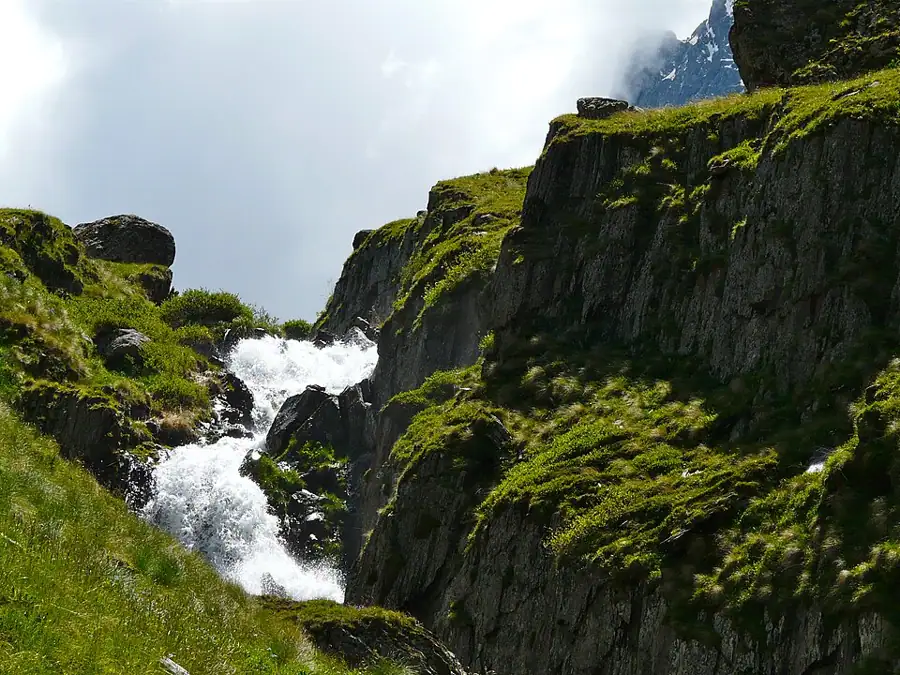
Six hours covers the drive up, the walk to the amphitheatre and a meal. Beyond the village the ground is wet and the path crosses streams, so boots rather than trainers. Weather changes fast at this altitude: carry a shell layer and start walking early, because cloud usually builds on Chaukhi after midday. Guesthouses need booking in July and August and most close from October to May. There is no shop, no pharmacy and no fuel, and mobile signal is patchy. Do not attempt the Chaukhi Pass crossing without a map and an early start.
How to get there from Tbilisi
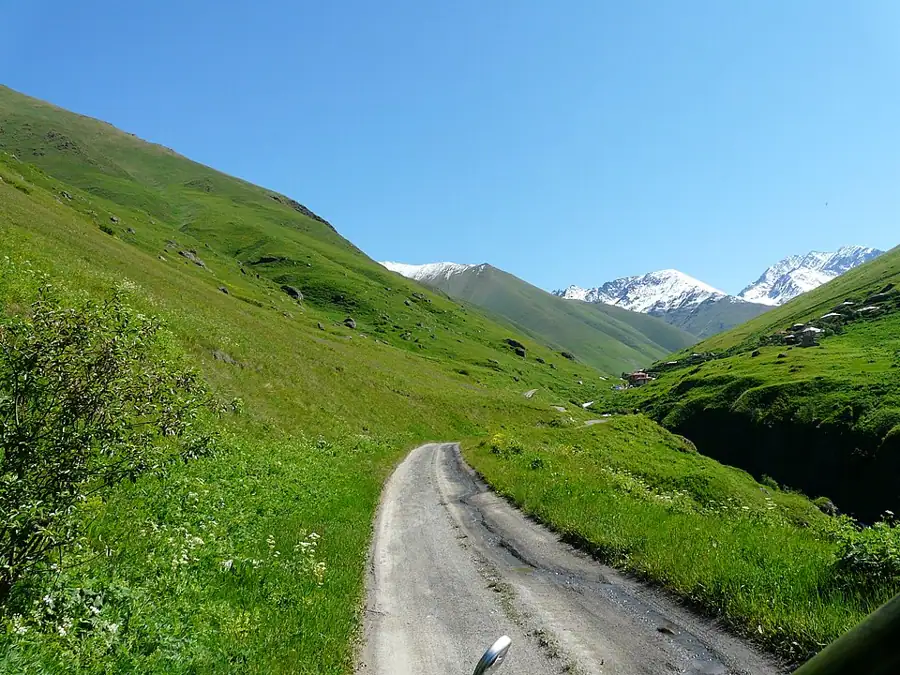
Follow the Military Highway (E117) north to Achkhoti just before Stepantsminda, about 148 km, then turn up the Sno valley. Asphalt runs the five kilometres to Sno village; after that the last eight kilometres to Juta are rough, stony and steep, with stream crossings and loose sections, and they are not for a low car. Total 165 km, three and three-quarter hours. A proper 4x4 with clearance is the right choice; otherwise leave the car at Sno and take one of the local jeeps from Stepantsminda. Last fuel in Stepantsminda. From late autumn to spring snow closes the track.
Click a marker for details. Coloured lines are ready-made road trips.
Nearby places
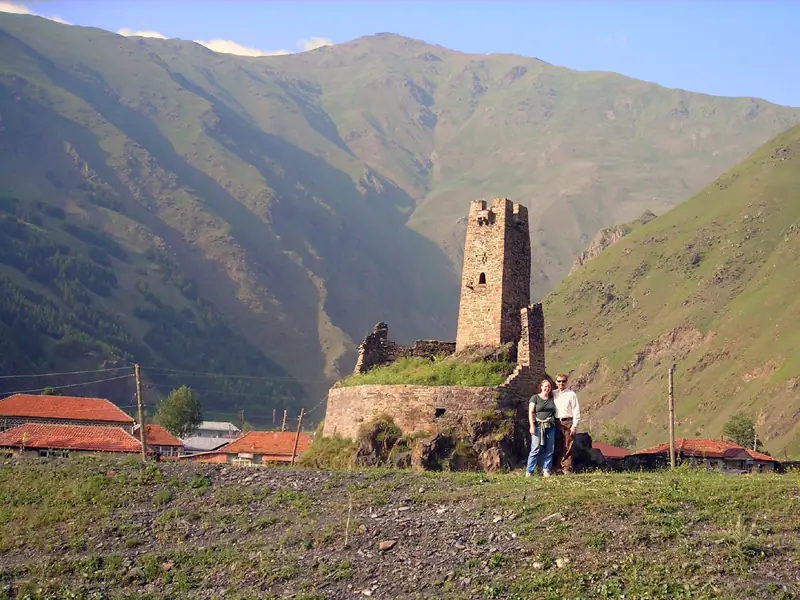 Mountain
Sno Valley and Tower
A broad treeless valley south of Kazbegi with a restored medieval tower and a field of carved stone portraits.
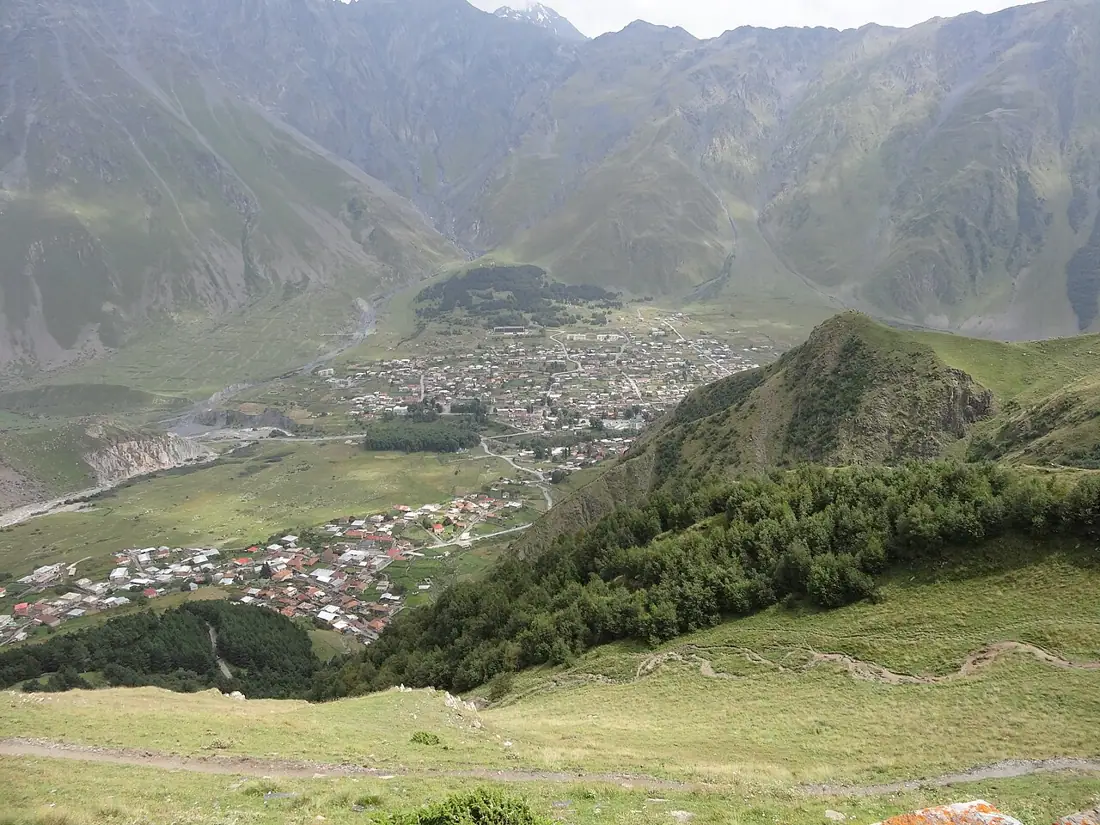 Monastery
Gergeti Trinity Church
A 14th-century church at 2,170 m with Mount Kazbek behind it — the single most recognisable view in Georgia.
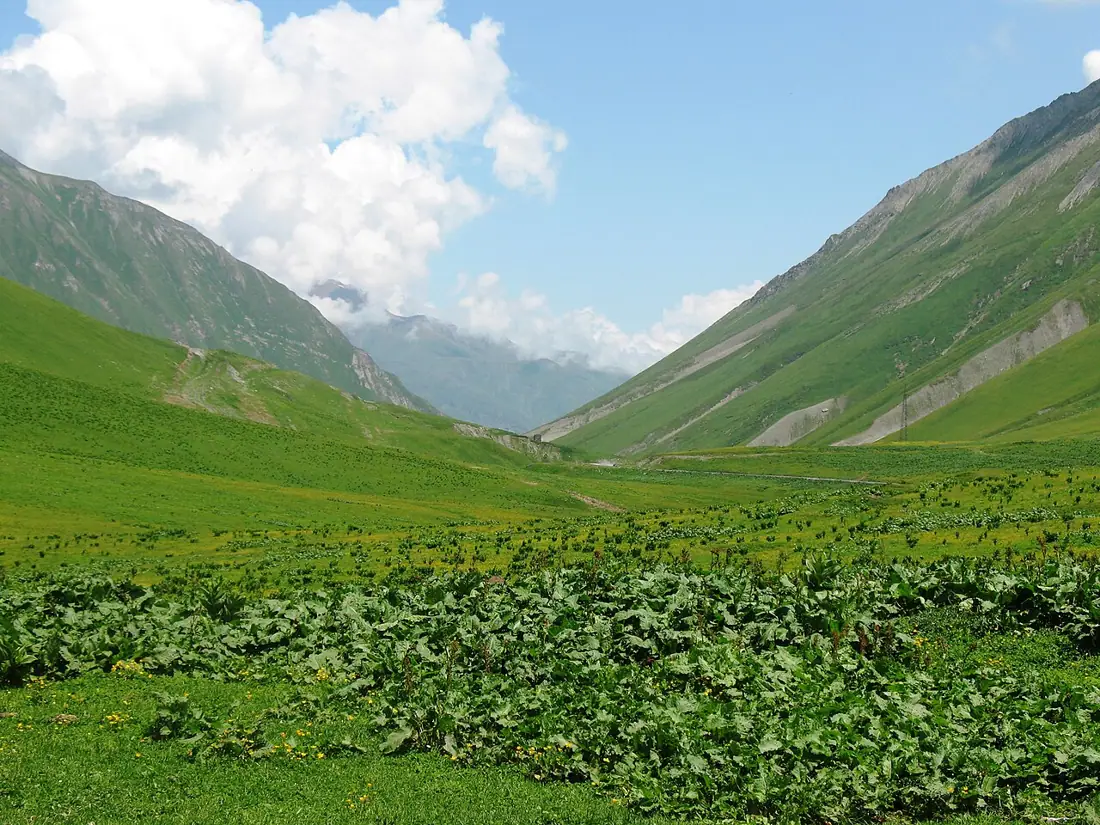 Mountain
Truso Valley
A wild valley of mineral springs, travertine terraces and abandoned towers south of Kazbegi.
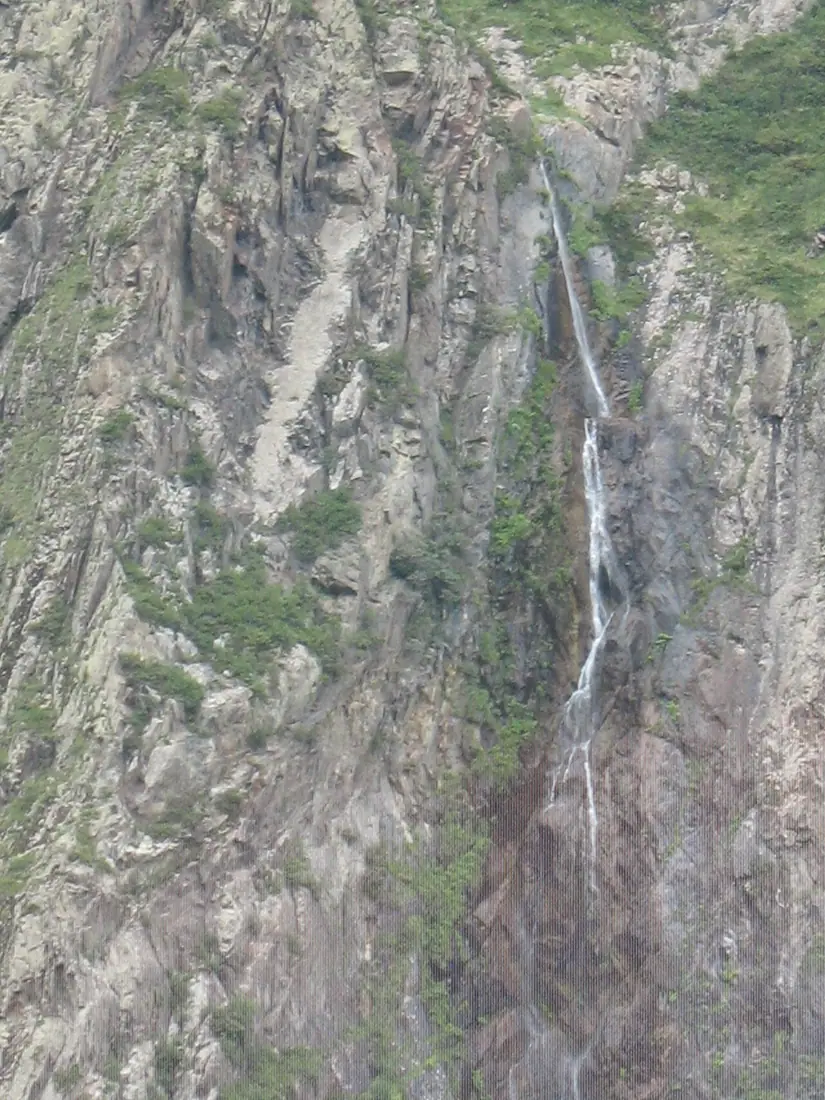 Waterfall
Dariali Gorge and the Gveleti Waterfalls
The narrowest gorge in the Caucasus, right at the border, with two waterfalls and a short, dramatic trail.
Booking and enquiries
This site is informational — there is no online payment. Call or email us to book.